

Blog
Sports Sunglasses: A Comprehensive Guide


Why Do You Need Sport-Specific Sunglasses?
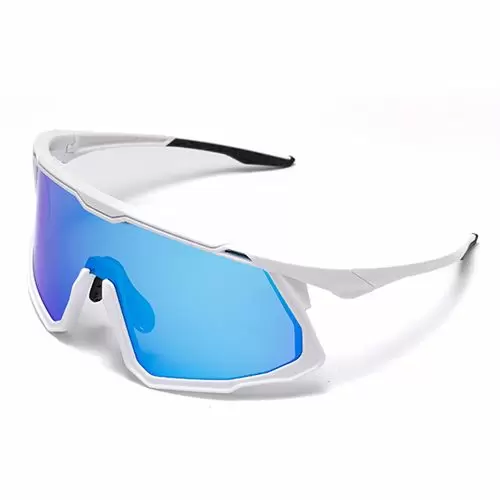
You need sport-specific sunglasses because, during exercise, your eyes are exposed to harsh conditions that regular sunglasses aren’t designed to handle—such as intense ultraviolet (UV) radiation, light reflected off water, sand, or snow, as well as dust and sweat.
High‑quality sports sunglasses provide essential medical protection for the retina and cornea through UV400 lenses that block harmful ultraviolet rays, helping to reduce the risk of retinal damage, eye strain, and light‑induced headaches.
These sunglasses are also engineered for comfort and stability: they fit securely without slipping, are impact‑resistant, and often feature anti‑fog and scratch‑resistant lenses to maintain clear vision while running, cycling, or playing fast‑paced outdoor sports.
Choosing dedicated sports sunglasses helps you stay focused, enhances visual reaction time, and lowers the risk of injuries caused by poor visibility or glare, making them a critical part of your sports gear—not just a fashion accessory.
Key Features of Sports Sunglasses
Sports sunglasses come with several characteristics that set them apart from regular sunglasses. Most importantly, they offer full protection against harmful ultraviolet radiation (UVA and UVB), which, over time, can damage the cornea and crystalline lens and increase the risk of cataracts.
Their lenses are designed with high optical quality to reduce glare and enhance contrast, helping athletes see more clearly in bright sunlight—especially during activities like running, cycling, and water sports.
These sunglasses are typically made from lightweight, impact-resistant materials such as polycarbonate, providing better protection for the eyes against potential injuries on the field or the road.
Sports sunglasses also feature a wrap-around ergonomic design that fits closely to the face, with rubberized nose pads and temple tips to prevent slipping with sweat and movement, ensuring the frame stays securely in place during physical activity.
Some models are equipped with polarized lenses or photochromic (light-adaptive) lenses to minimize reflections and optimize vision in varying weather conditions, which directly contributes to eye safety, sharper focus, and better athletic performance in outdoor environments.
Polarized Lenses and Their Role in Enhancing Vision During Exercise
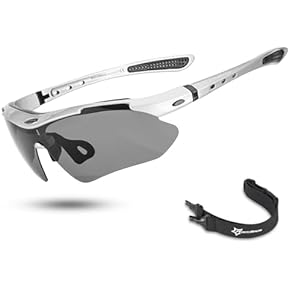
Polarized lenses are among the most important technologies used in sports sunglasses, as they reduce glare caused by sunlight reflecting off shiny surfaces such as asphalt, water, or glass. This helps improve visual clarity and sharpness during outdoor workouts.
From a medical standpoint, polarization filters out horizontally scattered light, which is the main source of visual noise and glare. This reduces eye strain and the headaches associated with prolonged exposure to intense light, allowing athletes to maintain better focus on movement and performance.
Polarized lenses also enhance color contrast and make fine details in the surrounding environment more distinguishable. This is crucial for runners, cyclists, and water sports athletes who need a clear view of their route to avoid obstacles.
Choosing high‑quality sports sunglasses with polarized lenses and certified protection against UVA and UVB radiation helps protect the retina and cornea over the long term, providing safer sports performance and greater visual comfort in various lighting conditions.
Lightweight, Comfortable Frames for Sports Activities
Choosing sports sunglasses with lightweight, comfortable frames is crucial for protecting the eyes without compromising athletic performance—especially in activities that require quick movement and high visual focus, such as running, cycling, and team sports.
Sports frames are typically made from light yet durable materials like high‑grade nylon or polycarbonate. These materials reduce pressure on the nose and ears, helping to prevent headaches and strain of the periocular muscles that can result from heavy eyewear.
Lightweight frames also help keep sports sunglasses stable during movement, minimizing slipping and bouncing that can distract the athlete or cause blurred vision at critical moments.
The more ergonomic the frame design—and the better it is equipped with non‑slip nose pads and rubberized temple tips—the more comfortably an athlete can wear the sunglasses for extended periods without skin irritation or uncomfortable pressure marks.
In this way, lightweight, well‑fitted frames provide an optimal balance between protection from ultraviolet (UV) radiation and glare, and maintaining stable performance with comfortable, eye‑healthy vision.
The Best Global Brands for Sports Sunglasses
When it comes to choosing sports sunglasses, it’s best to rely on leading international brands known for high‑quality lenses and clinically sound eye protection. Brands such as Oakley, Nike, Adidas, Under Armour, and Rudy Project are renowned for their advanced lens technologies that deliver 100% protection against harmful UVA and UVB radiation, while reducing glare and enhancing contrast for sharper vision during running, cycling, and water sports.
These brands are also known for using polarized lenses that minimize disturbing reflections and help prevent visual fatigue, in addition to lightweight, impact‑resistant materials like polycarbonate that lower the risk of sports‑related eye injuries.
They also pay close attention to frame ergonomics, offering comfortable, secure fits that stay in place even with sweating, along with a range of sizes and designs tailored to different face shapes and to the needs of both amateur and professional athletes.
Choosing sports sunglasses from these leading brands allows you to combine superior optical performance with medically approved eye protection, all in a contemporary style that works equally well for everyday wear and high‑intensity training.
Tips to Extend the Life of Your Sports Sunglasses
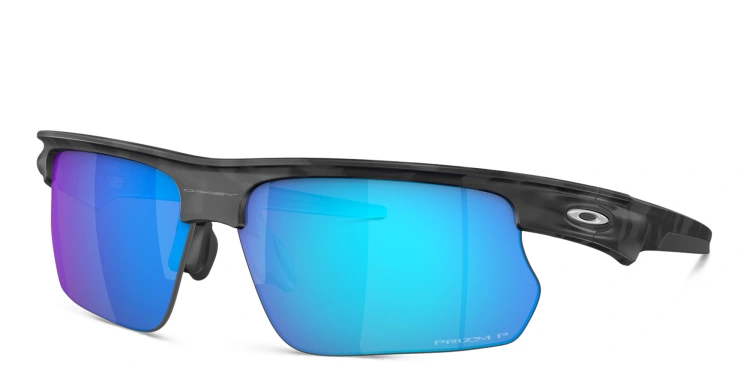
To keep your sports sunglasses in top condition and maintain effective UV protection for as long as possible, clean the lenses regularly using a microfiber cloth and a lens cleaner specifically designed for sunglasses. Avoid using tissue paper or rough fabrics, as they can scratch the lens surface.
Avoid leaving your sports sunglasses inside the car or in other high‑temperature environments, as excessive heat can deform the frame or damage the UV‑protective and other functional coatings on the lenses.
Always store your sports sunglasses in a padded hard case when not in use to protect them from impact and scratches—especially if you practice outdoor sports or carry them in a bag.
When putting on or taking off your sunglasses, use both hands rather than one. This helps keep the temples (arms) aligned and prevents them from loosening or becoming misshapen over time.
Avoid exposing your sports sunglasses to harsh chemicals, perfumes, or hair sprays. These substances can degrade specialized coatings such as anti‑reflective (AR) and anti‑fog layers.
If you notice loose screws, a poor fit, or that the sunglasses keep slipping during exercise, it’s best to visit an optometrist or a professional sports eyewear retailer for proper adjustment and maintenance, rather than attempting random fixes that may cause permanent damage.
How does the Batal Vision team help you choose the perfect sports eyewear?
At Batal Vision, the sports sunglasses team starts by understanding your athletic lifestyle and the nature of your activity—whether you’re into running, cycling, football, or water sports. Based on that, they work with you to determine the most suitable lens shape and frame design to protect your eyes from UV radiation and impact.
They take precise facial measurements to ensure your sports glasses stay securely in place during intense movement, without uncomfortable pressure on the nose or ears. Lightweight, non‑slip materials are selected to give you maximum comfort and stability throughout your workout.
The team also explains the difference between various lens technologies—such as polarized lenses, anti‑reflective coatings, and gradient lenses—and helps you choose what’s best for the lighting conditions in which you train. In addition, they offer tailored solutions for prescription wearers, including prescription sports lenses and clip‑on systems.
This way, you don’t just end up with stylish sports sunglasses, but with professional visual protection that enhances clarity and focus on the field or track, while reducing eye strain and the risk of vision‑related sports injuries.