
Blog
How do you choose sunglasses that protect against ultraviolet rays?

Why is UV protection important for the eyes?
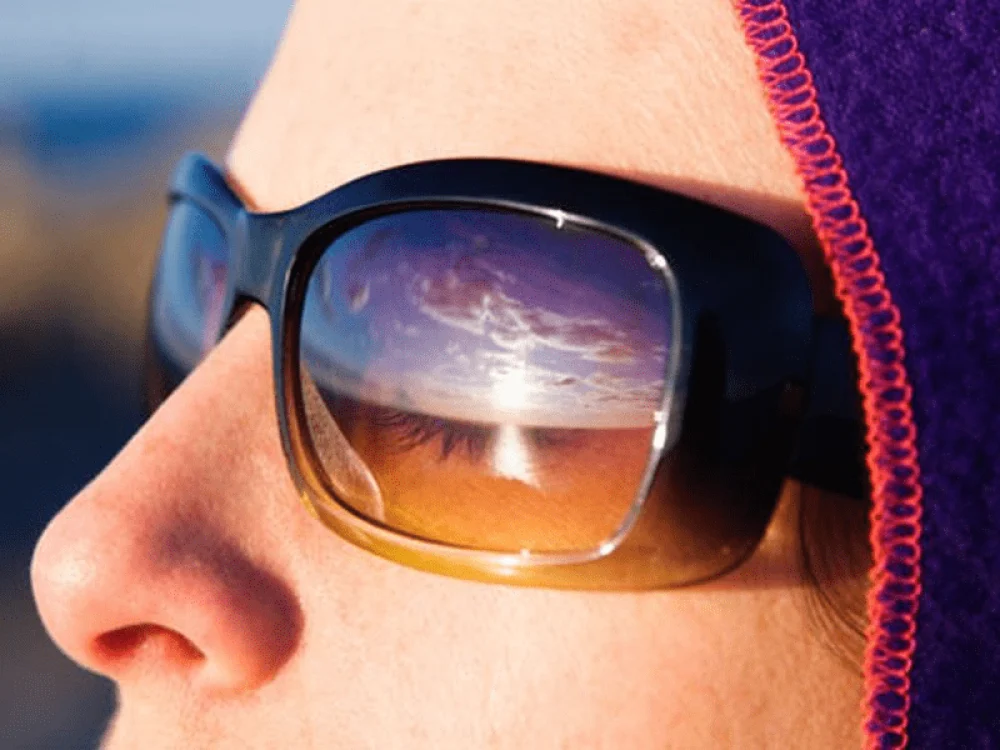
The eyes are exposed daily to ultraviolet (UV) radiation from the sun. Although this radiation is invisible, it can cause serious cumulative damage to the eye’s delicate tissues over time.
Failing to use proper UV protection—such as UV400 sunglasses—allows harmful rays to penetrate the cornea, crystalline lens, and retina, increasing the risk of several eye conditions, including cataracts, age-related macular degeneration, and photokeratitis (a type of “sunburn” of the eye’s surface) which manifests as redness, pain, and marked light sensitivity.
Chronic exposure to UV radiation can also accelerate aging of the eye and surrounding skin and lead to growths on the eye’s surface, such as pterygium.
For these reasons, UV protection is essential for preserving long-term visual health. UV400 sunglasses are an ideal choice, as they block 99–100% of UVA and UVB rays, providing a crucial safety barrier for the eyes in all seasons—not just during summer.
What Does UV400 Sunglasses Mean?
UV400 sunglasses are specially designed to provide nearly complete protection for the eyes against harmful ultraviolet (UV) radiation. The term “UV400” indicates that the lenses can block all UV rays with wavelengths up to 400 nanometers, including UVA, UVB, and UVC.
This level of protection is considered a medically recommended standard by ophthalmologists, as it helps reduce the risk of developing cataracts, age-related macular degeneration, and photokeratitis (corneal sunburn) caused by chronic sun exposure.
Unlike regular sunglasses that may simply dim the light or appear dark-tinted without offering true UV protection, UV400 sunglasses combine glare reduction with effective protection for both the retina and the cornea.
Therefore, when purchasing sunglasses, it is advisable to look for a UV400 label on the lenses or a reliable certification from the manufacturer, to ensure your eyes are fully protected—not just covered by a dark or stylish lens with no real safety benefit.
How can you be sure your sunglasses offer real protection?
To make sure your sunglasses provide genuine protection, start by checking for a UV400 label or “100% UV Protection” on the lenses or packaging. This indicates that the lenses block all harmful UVA and UVB rays, which can damage the cornea and the crystalline lens and increase the risk of cataracts.
It’s also important that the sunglasses come with a certificate of conformity from a reputable body, or carry marks such as CE or FDA (depending on the country of manufacture), confirming that they have passed standardized safety tests.
Don’t rely on dark tint alone. A deeper lens color does not automatically mean ultraviolet protection; in fact, dark lenses without UV filtration can cause the pupil to dilate, allowing even more harmful radiation into the eye.
Ideally, choose UV400 sunglasses from well‑known pharmacies or established optical stores rather than street vendors or unverified online sellers, and always ask for an invoice and warranty specifying the level of UV protection.
Try the sunglasses in natural daylight to check for clear vision, stable color perception, and comfort. Blurred vision, color distortion, headache, or eye strain can be signs of poor‑quality lenses.
If you have existing vision problems or wear prescription lenses, consult an ophthalmologist or optometrist. They can prescribe prescription sunglasses with integrated UV400 protection tailored to your refractive error, ensuring both optimal vision and effective eye protection.
Specifications of the Ideal Sunglasses for Daily Eye Protection
Good coverage of the eye area
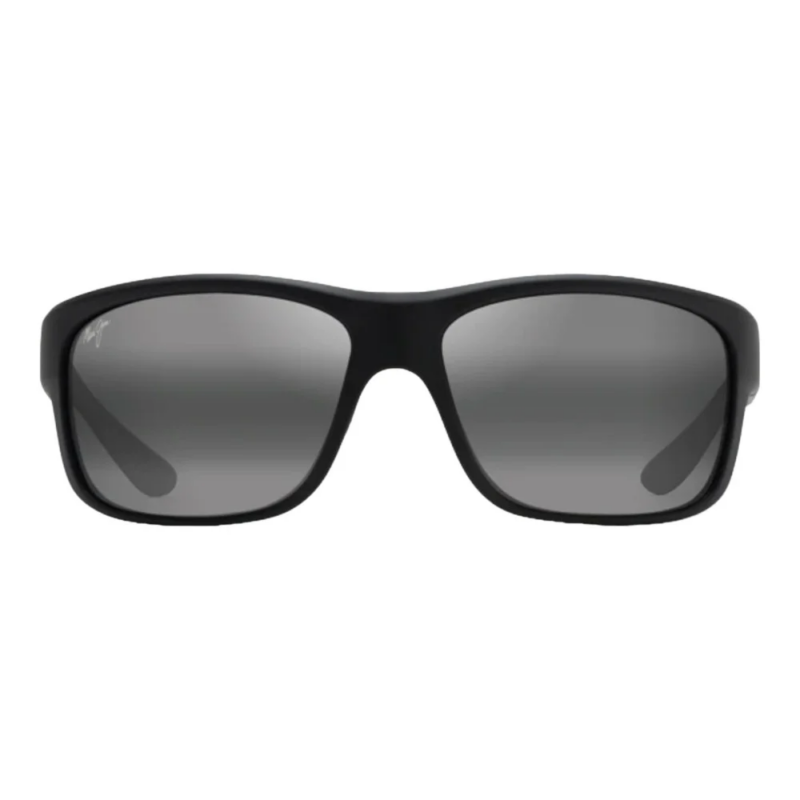
How well the lenses cover the eye area is one of the most important features of an ideal pair of sunglasses for everyday protection, especially when choosing UV400 sunglasses.
The larger the lenses and the more they extend laterally and upward around the eyes, the better they are at blocking ultraviolet (UV) rays and glare coming from above and from the sides.
It’s preferable to choose a slightly wrap‑around frame to ensure protection of the eyes, eyelids, and surrounding skin from harmful radiation, not just the pupil directly.
This kind of coverage helps prevent long‑term cumulative damage such as pterygium, dry eye, and eyestrain caused by daily sun exposure.
The more comprehensive and well‑designed the coverage, the more practical and safe the sunglasses become as a daily protection option for all kinds of outdoor activities.
Lens quality
The effectiveness of sunglasses as daily eye protection depends mainly on the quality of the lenses, not just on how dark they look.
You should make sure that the lenses meet the UV400 standard, meaning they block 99–100% of UVA and UVB radiation, which protects the crystalline lens and the retina from damage.
High‑quality lenses are made from good optical materials such as polycarbonate or treated glass, providing clear vision without distortion or annoying reflections.
It’s best to choose lenses with additional coatings, such as an anti‑reflective (AR) coating and a scratch‑resistant coating, especially for people who wear sunglasses for long periods every day.
Lens quality is not about luxury; it’s about effective protection for your visual health and improving visual comfort in different lighting conditions.
Comfort and stability during wear
The ideal sunglasses for everyday protection must be comfortable and stable on the face throughout use; otherwise, they won’t be worn consistently enough to provide the intended UV400 protection.
The frame should be lightweight, with the weight distributed evenly across the nose and ears to avoid pressure, headaches, or red marks on the skin.
Silicone nose pads and temple tips with rubberized or padded ends help improve grip and stability, particularly while walking, driving, or doing light sports.
Comfortable wear encourages consistent use of sunglasses outdoors, ensuring daily protection from UV rays without discomfort or the need to keep taking them off.
Frame durability
Frame durability is a key factor in choosing sunglasses for daily protection, as they are used frequently and are prone to drops, scratches, and heat exposure.
It’s advisable to choose a frame made from materials that are both strong and lightweight, such as polycarbonate, titanium, or certain types of high‑quality engineered plastics.
A robust frame keeps the lenses securely in the correct position, helping maintain effective UV400 protection and preventing changes in the viewing angle or easy lens breakage.
Durability also reduces how often you need to replace your sunglasses, making them a practical and economical long‑term investment in sun protection.
When selecting sunglasses, pay attention to hinge quality, temple flexibility, and how the lenses are mounted, as all of these are indicators of frame durability and expected lifespan.
The difference between original and counterfeit sunglasses in terms of protection
When it comes to protection from harmful solar radiation, the difference becomes clear between genuine sunglasses equipped with UV400 lenses and counterfeit ones that often lack any real medical-grade standards.
Original sunglasses labeled UV400 are engineered to block up to 100% of UVA and UVB rays, thereby reducing the risk of corneal damage, cataracts, and ultraviolet-induced retinopathy. These lenses are typically tested in accredited laboratories to ensure that the level of protection remains stable even with frequent use.
Counterfeit sunglasses, on the other hand, may simply have dark-tinted lenses without any effective ultraviolet filter. This is actually more dangerous from a medical standpoint, because the shade created by the dark lenses causes the pupils to dilate, allowing a greater amount of UV radiation to enter the eye in the absence of any protective barrier. Over time, this markedly increases the risk of damage despite the false sense of comfort they provide.
For this reason, ophthalmologists and optometry experts recommend choosing reliable, original sunglasses that are clearly labeled UV400 or 100% UV Protection, and purchasing them from reputable sources. It is the quality of UV protection—not the lens color or frame design—that truly safeguards eye health.
Do children need UV400 sunglasses?
Yes. Children need UV400 sunglasses just as much as adults do—if not more—because their crystalline lenses are more transparent and allow a greater amount of ultraviolet (UV) radiation to reach the retina.
Repeated sun exposure during childhood without adequate eye protection can, over time, increase the risk of developing cataracts, age-related macular degeneration, photokeratitis, and superficial corneal burns.
UV400 sunglasses help block 99–100% of harmful UVA and UVB rays, offering comprehensive protection for children’s eyes while they play outdoors, at the beach, or in parks.
When choosing sunglasses for kids, it’s best to opt for UV400 lenses in a lightweight, comfortable, and durable frame, and to make sure they come from a reliable source. The darkness of the lens color alone should never be used as an indicator of UV protection.
In this way, UV400 sunglasses become an essential part of a child’s sun protection routine, alongside a wide-brimmed hat and broad-spectrum sunscreen for the skin.
How to Choose Sunglasses That Match Your Lifestyle
When selecting UV400 sunglasses that suit your lifestyle, start by thinking about how you’re typically exposed to the sun.
If you spend long hours driving, or near water or snow, go for polarized lenses with full UV400 protection. This combination reduces glare and reflections, improves visual comfort, and helps protect the retina from ultraviolet-induced damage.
If you practice outdoor sports such as running or cycling, choose lightweight sunglasses with a secure, snug fit and large, wraparound lenses. This design provides better coverage against harmful UV rays as well as dust and wind.
For everyday use, work, and commuting in the city, UV400 sunglasses with gradient or moderately dark lenses are usually sufficient. They provide visual comfort in bright light without overly dimming your vision when you move indoors.
Make sure to pick a frame that suits your face shape and distributes weight evenly across the bridge of the nose and the ears, to avoid headaches or pressure marks on the skin. Also, check for a reliable certification or label confirming genuine UV400 protection. Stylish design alone is not enough to safeguard your eyes over the long term.
Common mistakes when buying UV400 sunglasses
One of the most frequent mistakes when buying UV400 sunglasses is focusing only on style or brand name without checking the actual level of protection against UVA and UVB rays. Some dark-tinted lenses may look premium, yet still fail to offer full UV400 protection, which increases the risk of gradual damage to the cornea and retina over time.
Many people also make the mistake of buying counterfeit or very cheap sunglasses that come without any certification or label specifying the UV400 protection level, or purchasing from unreliable online platforms that do not clearly state the optical and protective specifications of the lenses.
Another common issue is ignoring lens size and frame design. Small lenses or frames that are open at the sides allow a large amount of harmful UV radiation and dust to reach the eyes, even if the lenses themselves are labeled UV400.
Some people also use sunglasses purely as a fashion accessory without considering how and where they will be used—such as driving, going to the beach, or playing sports—and without consulting an optometrist to select lenses suitable for refractive errors (like myopia or astigmatism) or for light sensitivity.
These mistakes in choosing sunglasses can create a false sense of security while the eyes are actually exposed to higher doses of ultraviolet radiation. To avoid that, it is always recommended to prioritize medically approved UV400 protection, and to buy sunglasses from trusted sources while keeping the receipt and warranty that clearly state the lens specifications.
Discover the Best UV400 Sunglasses at Batal Vision Jeddah
At Batal Vision in Jeddah, you’ll find a carefully curated selection of UV400 sunglasses that provide clinically reliable protection for your eyes against harmful ultraviolet rays, including both UVA and UVB, with up to 100% coverage.
These sunglasses aren’t just about stylish looks and premium design; they also help reduce the risk of developing cataracts, retinal damage, and visual fatigue caused by prolonged sun exposure—particularly in Jeddah’s bright, sunny climate.
The Batal Vision team is committed to helping you choose UV400 sunglasses that complement your face shape and suit your visual needs—whether you’re looking for polarized lenses to cut glare while driving, or prescription sunglasses that combine refractive correction with full UV protection.
By choosing UV400 sunglasses from Batal Vision Jeddah, you’re making a long-term investment in your eye health, with certified specifications and high‑quality lenses that meet the eye‑protection standards recommended by ophthalmologists.