
Blog
When does a child need eyeglasses?

What are the warning signs that a child may need prescription glasses?
Getting Too Close to Screens or Books
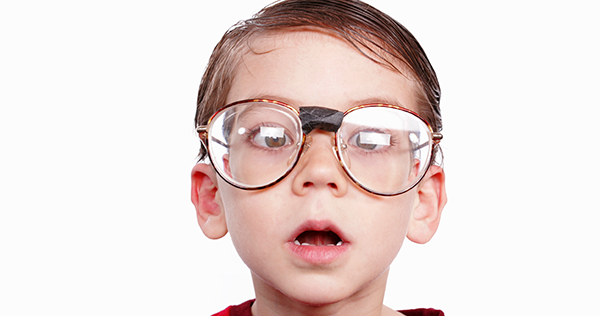
Sitting very close to the TV, tablet, or holding books too near the face is one of the clearest signs that a child may need prescription glasses.
When a child can’t see well from a normal distance, they instinctively move closer to the screen or page to compensate for poor vision, especially if they are nearsighted (myopic).
If you notice your child always sitting too close to the television or bringing books right up to their face, this is a warning sign that calls for an eye exam by a pediatric ophthalmologist or optometrist to see whether they need corrective lenses.
Ignoring this sign can lead to progressive worsening of vision over time and make it harder for the child to concentrate and perform well at school.
Frequent Eye Rubbing
Constantly rubbing the eyes can indicate eye strain or blurred vision, and is often seen in children who need glasses but struggle to focus clearly on near or distant objects.
This behavior may also be associated with headaches or dry eye, both of which can result from the child’s ongoing effort to see more clearly.
If you notice your child rubbing their eyes frequently while reading or using digital screens, it may be a sign of a refractive error such as hyperopia (farsightedness) or astigmatism. In these cases, a thorough eye examination and prescribing appropriate glasses can significantly improve their visual comfort and clarity.
Complaints of Headaches or Eye Strain
Recurrent headaches, particularly after school, reading, or using electronic devices, are common signs that a child might need glasses.
When a child exerts extra effort to focus due to uncorrected vision problems, the eye muscles become fatigued, which can trigger headaches around the eyes or in the forehead.
Children may also complain of burning sensations in the eyes or a feeling of heaviness in the eyelids.
If these symptoms keep returning, it’s important not to rely only on painkillers. Instead, schedule a comprehensive eye exam to rule out visual impairment or refractive errors that may require comfortable, properly fitted children’s glasses.
Difficulty Seeing the Board or Distant Objects
One of the most telling signs that a child may need glasses is frequent complaints about not seeing the classroom board clearly, or trouble recognizing distant objects such as traffic signs or people’s faces from afar.
This is often linked to myopia (nearsightedness), where the child can see nearby objects clearly but finds distant objects blurred or out of focus.
You might also notice that your child is slow to answer questions based on what’s written on the board or tries to move closer to see better.
When this problem appears, early vision screening is essential. Appropriate prescription glasses for children can markedly improve focus, classroom participation, and overall academic performance.
Tilting the Head or Closing One Eye When Focusing
Tilting the head to one side, or closing one eye when trying to focus on a screen or a book, is an important sign that may point to a vision problem such as strabismus (eye misalignment) or astigmatism.
By tilting the head or using only the stronger eye, the child is trying to reduce visual blur and sharpen the image by changing the viewing angle or relying on the eye with better vision.
If you see this behavior repeatedly during reading or watching TV, your child may need glasses designed to correct astigmatism or unequal refractive power between the two eyes (anisometropia).
Early intervention with a professional eye examination and properly chosen children’s eyewear helps protect vision and address the problem before it affects normal visual development.
When should children have their eyes examined?
It is recommended that children have their first eye examination at around six months of age to ensure that their eyes are developing normally. The next checkup should be at about 3 years of age, and then once more before starting school or at 5–6 years old, even if there are no obvious signs of vision problems.
After that, it is preferable to see a pediatric ophthalmologist or optometrist every one to two years, especially if the child already wears glasses, or if there is a family history of strabismus (squint), myopia (short-sightedness), hyperopia (long-sightedness), or astigmatism.
An eye exam should be arranged promptly at any age if parents notice that the child sits very close to the TV or screens, complains of frequent headaches, rubs their eyes repeatedly, tilts their head when trying to focus, or has difficulty seeing the board at school.
Early detection of vision problems helps in choosing the right glasses for children and adjusting the prescription as they grow. This reduces the risk of permanent visual impairment and supports better academic performance and greater confidence in daily life.
How do prescription glasses support children in their daily lives?
Improving Academic Performance
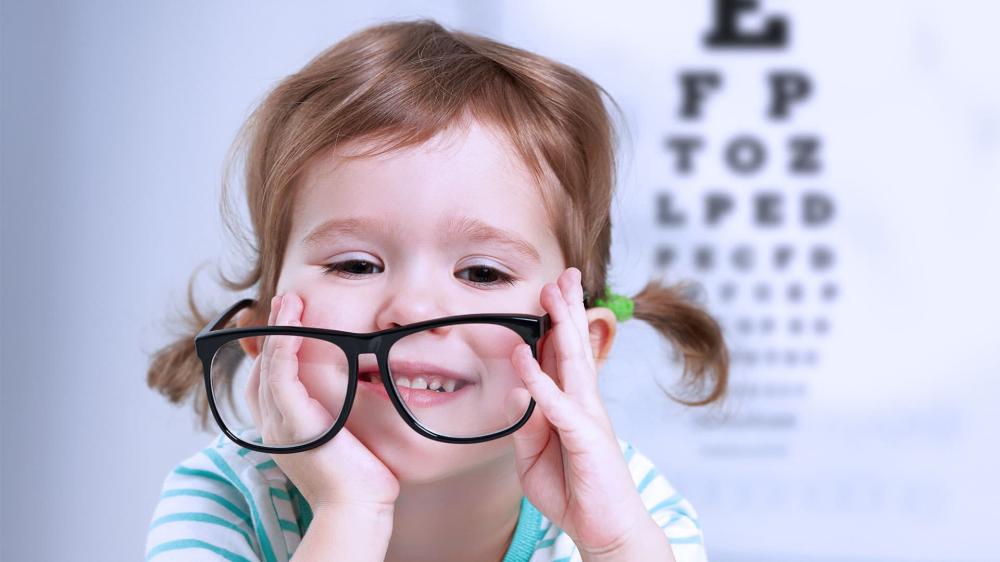
When a child is given the right prescription glasses, seeing the board and textbooks becomes much easier, which has a direct positive impact on their performance at school.
Uncorrected visual impairment can make reading slow and tiring, and can make it harder to follow explanations or complete homework. In contrast, prescription eyeglasses for children help reduce visual strain and improve reading speed, comprehension, and overall learning.
With clearer vision, the child is better able to participate in class, follow the teacher’s instructions, and solve exercises accurately, which contributes to higher grades and a better day‑to‑day learning experience.
For these reasons, prescription glasses are an essential support for the academic performance of children with myopia (short‑sightedness), hyperopia (long‑sightedness), or astigmatism.
Enhancing Focus and Attention
Children’s prescription glasses not only improve eyesight, they also help boost concentration and attention during study and play.
When a child has to strain to see clearly, they may develop headaches or fatigue more quickly, which distracts them from lessons and everyday activities.
By correcting refractive errors with suitable glasses, this visual effort is reduced, enabling the child to sit in class or read for longer periods without discomfort in the eyes.
This improvement in visual comfort enhances the child’s ability to focus on explanations, follow fine details, and better absorb information in daily life and at school.
Building Self‑Confidence and Visual Comfort
Wearing children’s glasses that fit well and have an appealing design can play a major role in strengthening a child’s self‑confidence and daily comfort.
When a child can see the world clearly without blur, they are less likely to feel embarrassed about not recognizing people or being unable to read words, and they become more engaged with friends and teachers.
The visual comfort provided by prescription glasses helps reduce recurring complaints of headaches or eye irritation, allowing the child to learn and play with greater ease and confidence.
Choosing frames that match the child’s personality and that they genuinely like makes them more willing to wear their glasses consistently, which reinforces their positive self‑image and helps them participate in everyday activities without worry.
How to Choose the Right Glasses for Children
Choosing a Comfortable, Durable Frame
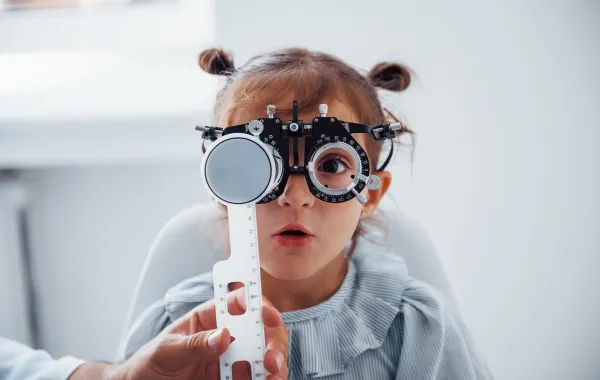
When figuring out how to choose the right glasses for children, the frame is the first element to focus on, as it’s responsible for keeping the glasses stable and ensuring the child’s comfort throughout the day.
It’s best to opt for a lightweight frame made from safe, biocompatible materials such as medical‑grade plastic or silicone. These are less likely to break and are safer if the child falls while wearing them.
The bridge area around the nose should have soft, rounded nose pads so they don’t leave marks or cause pain or irritation on children’s sensitive skin.
You should also make sure the temples (arms) of the glasses are flexible and can bend without snapping easily, which is especially important for active children.
The more comfortable and durable the frame is, the more likely the child will be to wear their prescription glasses for longer periods, which in turn supports better correction of visual problems.
Matching Frame Size to Face and Age
A key part of how to choose the right glasses for children is selecting a frame size that suits the child’s facial proportions and age.
Frames that are too large will constantly slip down the nose, while frames that are too small will press on the temples and nose, leading to headaches and discomfort.
Ideally, the top edge of the frame should sit just below the eyebrows, and the lenses should not touch the child’s eyelashes when they open and close their eyes.
For younger children, you can consider frames with an adjustable head strap or specially designed temples that wrap or hook more securely around the ears to prevent the glasses from falling off easily.
Choosing the correct size helps provide clear, stable vision and reduces the need for the child to keep touching or readjusting the glasses, which helps maintain the lenses in the optimal position in front of the eyes.
Selecting Lenses That Fit the Child’s Lifestyle
When deciding how to choose the right glasses for children, it’s not enough to pick a nice‑looking frame; the lenses play a central role in protecting the eyes and improving vision.
For very active children or those who play sports, polycarbonate lenses are an excellent option. They are light in weight and impact‑resistant compared with traditional glass lenses.
It’s also helpful to choose lenses with an anti‑scratch coating, since children’s glasses are frequently dropped or rubbed against desks, bags, and other surfaces.
If the child spends long hours in front of digital screens, you can discuss with the eye doctor the option of lenses that reduce glare and improve visual comfort, while following the ophthalmologist’s recommendations.
In many cases, it’s also advisable to select lenses that provide protection against ultraviolet (UV) radiation, especially for children who spend a lot of time outdoors, to help protect their eyes over the long term.
Tips to Help Your Child Adjust to Prescription Glasses
To help your child adapt to wearing prescription glasses, it’s essential to start by choosing a lightweight, comfortable frame that fits their face and age. The frame should not put pressure on the nose or ears, so your child can wear it for longer periods without discomfort.
Explain to your child in simple terms that kids’ glasses are not only for correcting vision problems, but also help them see the board clearly, read more easily, and play without headaches or eye strain.
Begin with short wearing periods at home, then gradually increase the time until your child gets used to the glasses without feeling tired or annoyed.
Praise your child for wearing their glasses consistently in front of family and friends, and let them help choose the frame style and color. This gives them a sense of control and makes them feel involved rather than forced.
Establish a daily routine for wearing kids’ glasses during study time, watching TV, and using digital devices. Teach your child how to clean the lenses and take care of their glasses so they develop a sense of responsibility.
If your child complains of headaches, blurred or double vision, or if the glasses keep slipping down, book an appointment with an ophthalmologist to check the lens prescription and adjust the frame. Successful adaptation to prescription glasses depends on an accurate eye-glass prescription and regular follow-up to ensure healthy vision.
Discover the Best Kids’ Glasses in Batal Vision Jeddah
At Batal Vision in Jeddah, you’ll find a carefully curated range of children’s prescription glasses designed to protect your child’s eyesight and keep them visually comfortable throughout the day.
Our optometrists at Batal Vision perform thorough pediatric eye examinations to detect common vision issues early, such as myopia (short‑sightedness), hyperopia (long‑sightedness), and astigmatism. Based on the results, they recommend lightweight, impact‑resistant lenses that are safe and suitable for your child’s daily activities.
The stores also offer flexible, comfortable frames in a variety of sizes and styles to suit different age groups, along with options such as anti‑reflective lenses and blue‑light filtering lenses—ideal for children who spend long hours using digital devices.
If you’re searching for the best children’s glasses in Jeddah, with medically reliable quality and a comfortable experience for your child, Batal Vision provides a well‑balanced combination of precise vision correction, safety, and modern designs that help your child wear their glasses with confidence.