
Blog
Children’s eyeglasses: A comprehensive guide

When Does a Child Need Glasses?
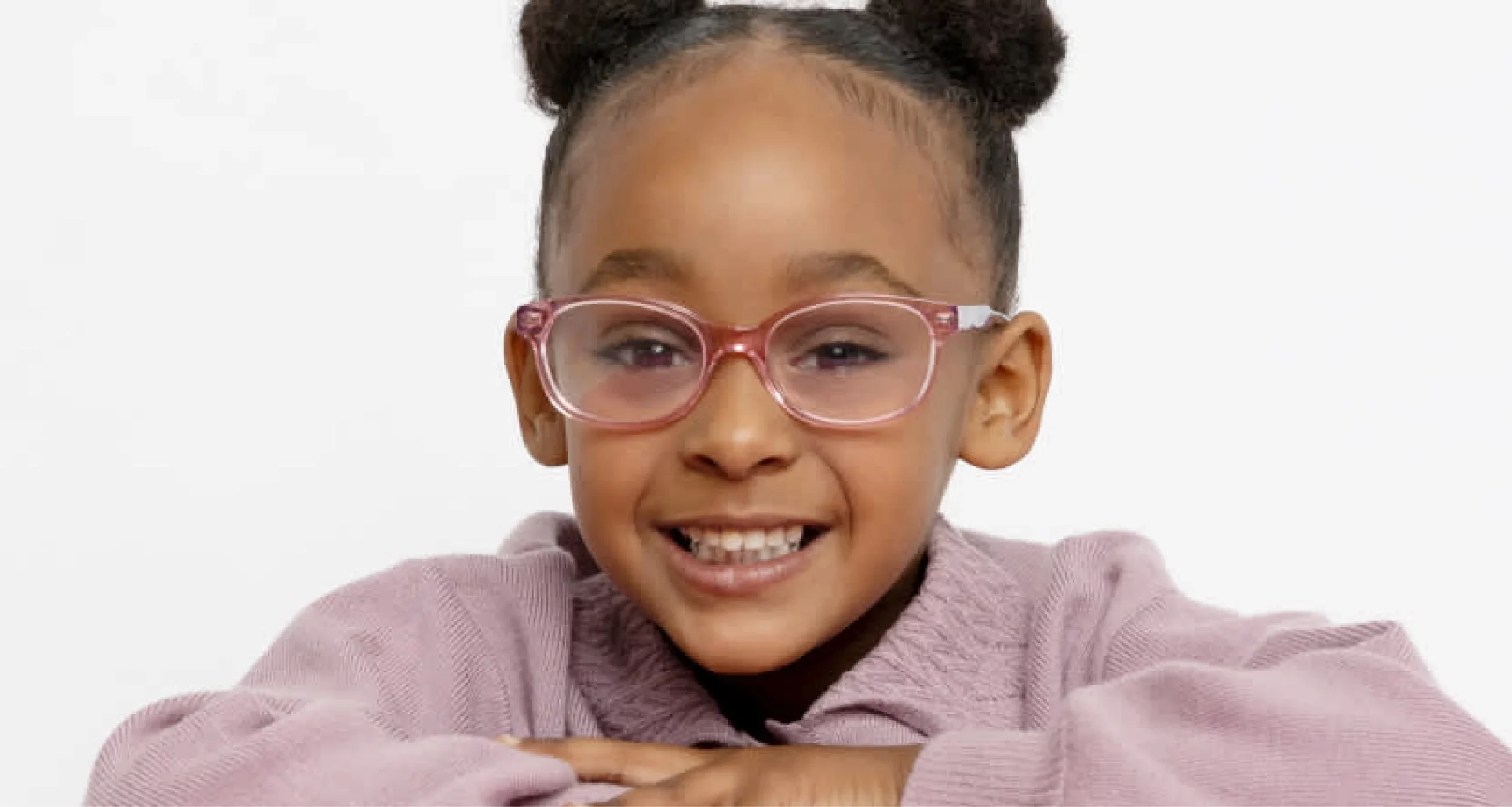
A child may need prescription glasses if they show signs of vision problems, such as sitting very close to the TV or digital screens, holding books too near to their eyes, frequently complaining of headaches, burning or redness in the eyes, rubbing their eyes often, having trouble focusing in class, or struggling to see the board at school.
It’s also advisable to see a pediatric ophthalmologist if parents notice any eye misalignment (strabismus), a tendency to close or cover one eye when looking at something, or a habit of tilting the head to one side. These can be signs that the child needs glasses to correct hyperopia (farsightedness), myopia (nearsightedness), or astigmatism.
Regular eye examinations are important even if no obvious symptoms are present, especially when there is a family history of wearing glasses at a young age. Early detection of vision issues helps protect the child’s eyesight and supports normal learning and development.
Key Criteria for Choosing the Right Lenses for Children
When selecting suitable lenses for children’s prescription glasses, it’s important to focus on several clinical and practical factors to ensure clear vision and long‑term eye protection.
One of the priorities is choosing lightweight, impact‑resistant lenses, such as polycarbonate lenses or high‑index lenses, as they offer greater safety in case of falls or accidental impacts.
It is also advisable to opt for lenses with a scratch‑resistant coating to withstand children’s active daily use, in addition to an anti‑reflective (AR) coating to reduce glare during studying, screen use, or exposure to strong indoor lighting.
Another essential criterion is choosing lenses that provide high UV (ultraviolet) protection, to safeguard the retina from cumulative damage, especially in children who spend long hours outdoors.
The lens power and design must be tailored to the diagnosis made by the ophthalmologist or optometrist based on a thorough eye examination, taking into account specific conditions such as strabismus or amblyopia, which may require particular lens types or designs.
Finally, it is crucial to ensure that the lenses fit the frame properly in terms of size and interpupillary distance (PD), to provide comfort, keep the glasses stable on the child’s face, and achieve the best possible visual focus.
The Ideal Frames: Lightweight, Safe, and Comfortable
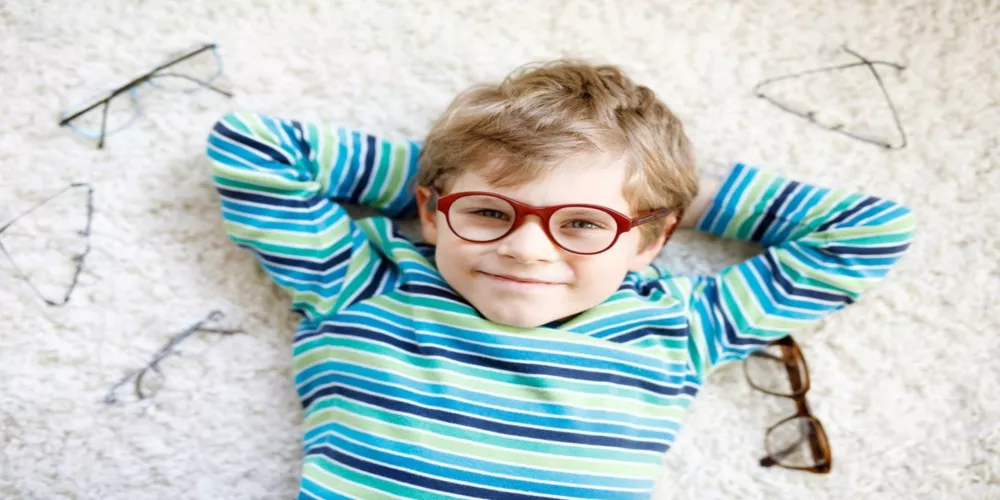
When choosing prescription glasses for children, the frames should be lightweight so they don’t press on the nose or ears, cause discomfort, or leave red marks on sensitive skin.
Light frames make it easier for the child to wear their glasses for longer periods without complaint, which leads to better adherence to vision correction.
Safety comes next in importance. It’s preferable to choose frames made from flexible, impact‑resistant materials—such as high‑quality plastic or child‑specific materials—to reduce the risk of injury in case of falls or during active play. It’s also advisable to look for children’s prescription glasses with smooth edges and secure hinges that won’t snag on hair or clothing.
Comfort also encompasses a well‑designed nose bridge that matches the child’s facial dimensions, along with adjustable temples or temple tips with rubberized ends to help prevent the glasses from slipping during movement.
Combining lightness, safety, and comfort in a child’s eyeglass frame not only improves their day‑to‑day experience, but also helps protect their eyes and ensures they get the full benefit of their corrective lenses.
Common Mistakes Parents Make When Buying Children’s Glasses
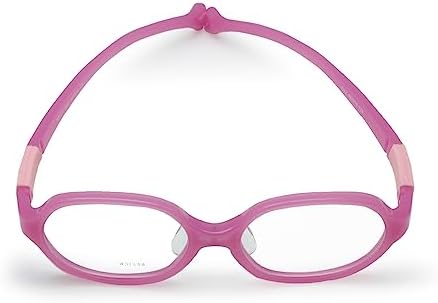
One of the most frequent mistakes when buying glasses for children is focusing only on how the frame looks, without paying attention to its size and how well it fits the child’s face. This often leads to slipping glasses or excessive pressure on the nose and ears, which makes children less willing to keep them on.
Some parents also choose prescription glasses for their children without consulting an ophthalmologist or optometrist, relying instead on other people’s experiences or random online shopping. This can result in lenses that do not match the child’s exact refractive error or underlying eye condition.
Another common mistake is overlooking lens quality and protective coatings, such as UV protection and filters for harmful blue light—especially important for children who spend long hours using screens. Neglecting these can increase eye strain and headaches.
In addition, some parents opt for cheap, non‑certified glasses or heavy lenses that scratch easily, instead of safe, lightweight materials like impact‑resistant polycarbonate, which is far more suitable for children’s daily activities and play.
Many also fail to follow up after getting the glasses, neglecting regular eye examinations to monitor any changes in the child’s prescription and to ensure that the new glasses remain comfortable and effective.
These seemingly simple mistakes when choosing children’s eyewear can delay proper treatment of conditions such as refractive errors or strabismus and negatively affect visual development. For this reason, buying prescription glasses for children should always be considered part of a comprehensive treatment plan supervised by a qualified eye‑care professional.
Tips to Help Your Child Adapt Easily to Wearing Glasses
To help a child accept wearing prescription glasses, it’s important to start by explaining, in very simple language, why they need them—for example, that the glasses will help them see the board at school or read storybooks more clearly. This links wearing glasses to a positive benefit in the child’s mind.
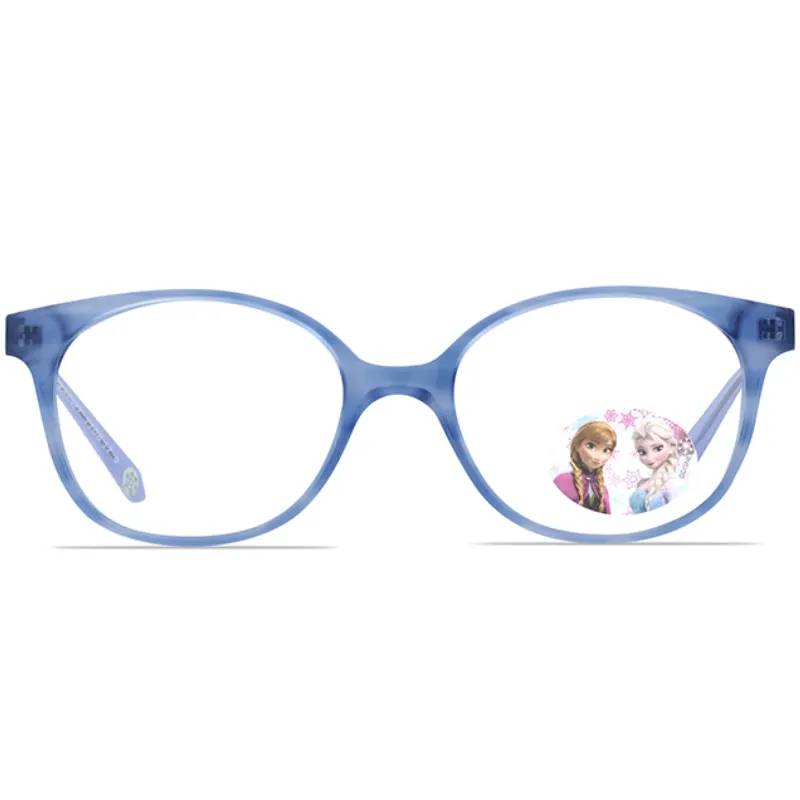
Choose a light, comfortable frame that suits the child’s face and preferences, and let them take part in picking the color or style. This helps the child feel that these are “their own glasses,” not just a medical device that has been forced on them.
You can also motivate the child by associating glasses with people or characters they like—such as favorite cartoon heroes or family members who wear glasses. This reduces any sense of being “different” in front of classmates.
Start by having the child wear the glasses for short periods at home, then gradually increase the time until the glasses become a natural part of their daily routine. Offer plenty of encouragement and praise whenever they keep their glasses on.
Avoid making jokes at the child’s expense or using glasses as a form of punishment or threat, as this creates a negative emotional association with wearing them.
It is also crucial to have the child’s prescription and frame fit checked regularly by an ophthalmologist or optometrist. This ensures that the lens power and frame size are appropriate and comfortable. Any discomfort, such as headaches, eye strain, or constant slipping of the frame, can make the child refuse to wear their glasses.
The more physically and emotionally comfortable the child feels with their glasses, the more likely they are to accept them and wear them consistently—supporting healthy vision and helping prevent further visual deterioration.
How does the Batal Vision team help you choose the ideal prescription glasses for your child?
At Batal Vision, the process of choosing your child’s prescription glasses starts with a comprehensive eye examination to accurately determine the degree of refractive error and your child’s specific visual needs. The ophthalmologist and optometrist then go over the results with you in clear, simple language, explaining the different lens options designed for children—such as lightweight, impact‑resistant lenses, and lenses with protective filters for screens and ultraviolet (UV) radiation.
Next, the optical experts help you select a children’s frame that suits your child’s facial features, including bridge width and interpupillary distance, while ensuring that the frame is comfortable, lightweight, and stable during play and physical activity.
The team also takes your child’s lifestyle into account—whether they spend more time on digital devices or in sports and outdoor activities—to recommend lenses and frames that can withstand daily wear and provide long‑term eye protection.
Finally, the Batal Vision team precisely adjusts the glasses to fit your child’s face, and they teach both you and your child how to wear and care for the glasses properly. This ensures optimal visual clarity and helps your child accept and wear their prescription glasses with confidence and comfort.