

Blog
Common mistakes that lead to damaged glasses and how to avoid them

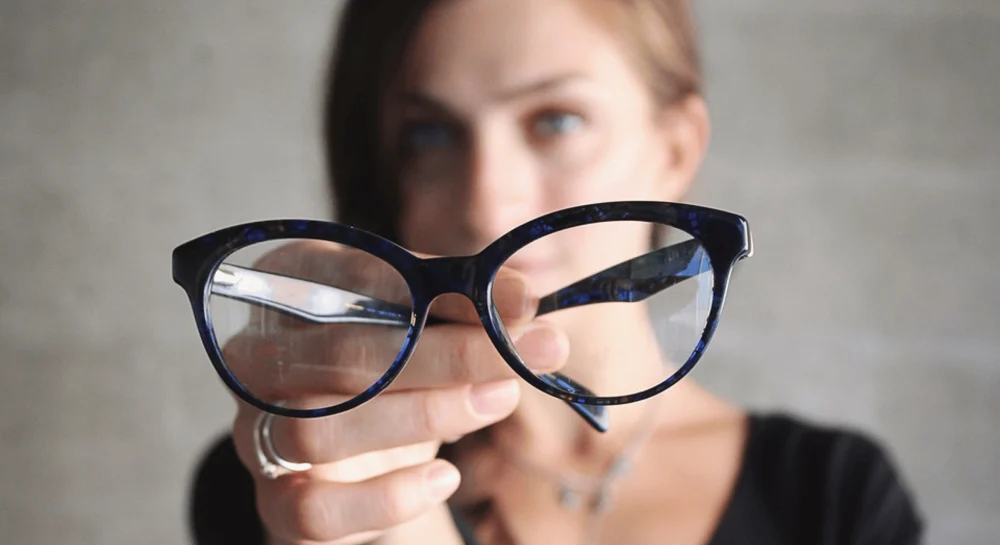
Why Do Glasses Get Damaged So Easily?
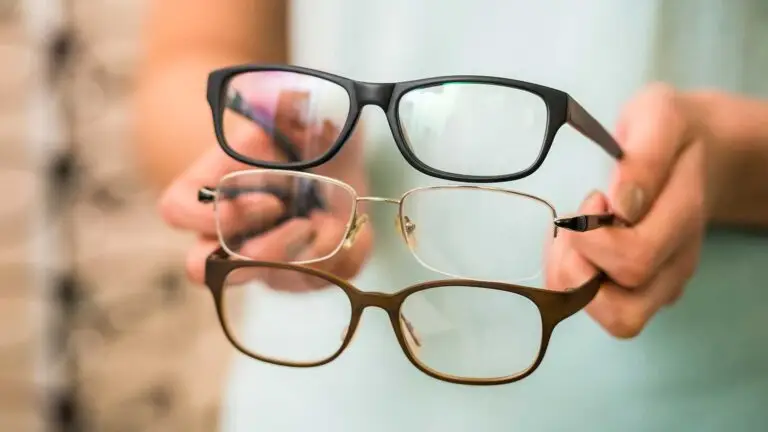
Glasses are prone to damage because their lenses and frames are often made from lightweight materials to keep them comfortable on the nose and ears. This light construction, however, makes them more vulnerable to impact, scratches, and bending.
Daily use also exposes the lenses to constant friction from dust particles, sweat droplets, and skincare or hair products. Over time, this can degrade anti-reflective coatings and scratch-resistant layers applied to prescription lenses.
Improper cleaning is another major factor. Wiping lenses with clothing, tissues, or rough materials instead of a dedicated microfiber cloth accelerates scratching, which compromises visual clarity and can negatively affect eye comfort.
Incorrect storage plays a significant role as well. Leaving glasses uncovered on a table, or inside a car exposed to high temperatures, may lead to frame warping, loosening or loss of screws, and lens damage or coating deterioration.
For these reasons, prescription glasses, reading glasses, and sunglasses should be treated as delicate medical devices. Proper cleaning and storage habits help reduce the risk of damage and maintain optimal visual quality for as long as possible.
Incorrect Lens-Cleaning Methods
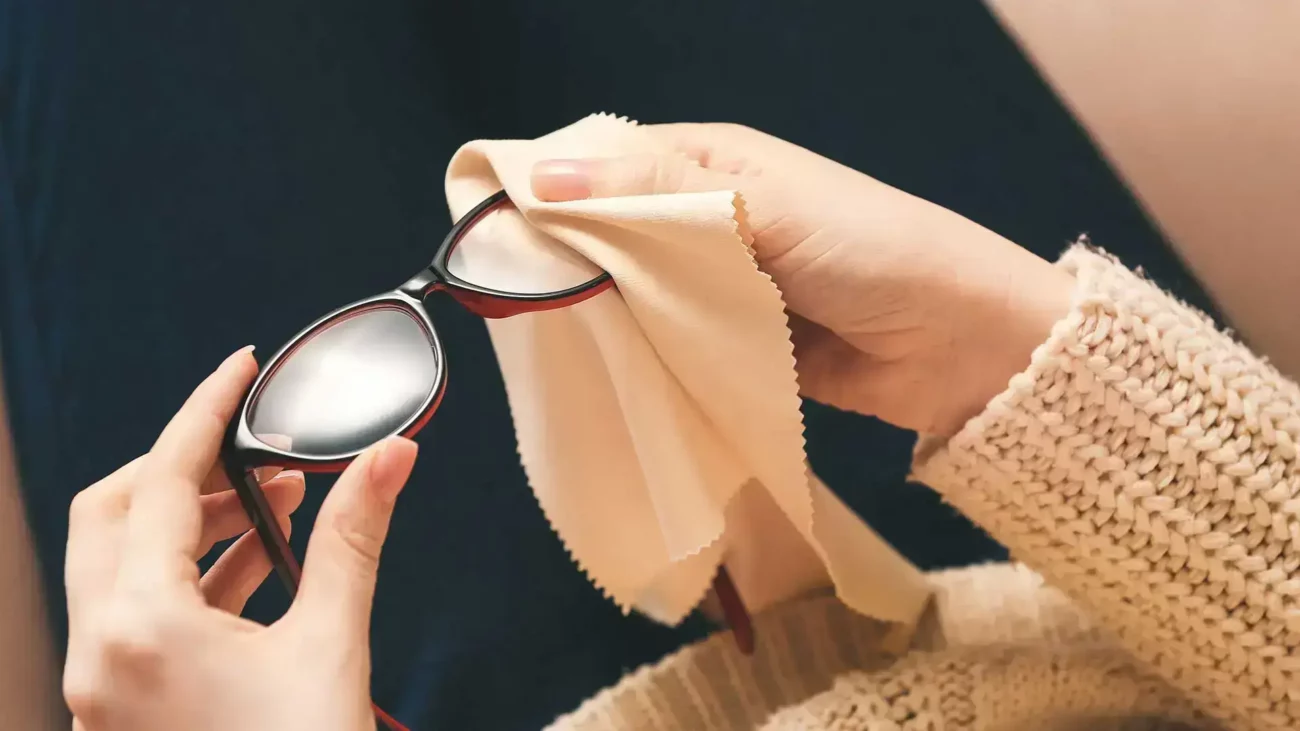
Improper lens-cleaning techniques are among the most common causes of damaged eyeglasses and scratched lens coatings. Using tissue paper, the edge of your clothing, or rough towels to clean your glasses creates fine micro‑scratches that gradually build up, reducing visual clarity and shortening the lifespan of the lenses.
Similarly, using chemicals that are not designed for lens care—such as concentrated alcohol, household degreasers, or regular glass cleaners—can damage the UV‑protective coating and the anti‑reflective (AR) layer, leaving the lenses more prone to cracking, clouding, and loss of optical quality.
Rubbing the lenses while they are dry, or trying to remove dust without first rinsing or applying an appropriate lens cleanser, also increases the risk of superficial scratches.
To protect your glasses and maintain optimal vision, it is always advisable to use a dedicated lens‑cleaning solution along with a microfiber cloth recommended by your optometrist or optical store.
Using Inappropriate Cleaning Agents
Using cleaning products that are not specifically designed for eyeglasses is one of the most common causes of lens damage. Strong household cleaners such as bleach, vinegar, and high‑concentration alcohol can erode the anti-reflective and anti-scratch coatings, leading over time to lens dullness and blurred vision.
Similarly, using wet wipes, multi-purpose cleaners, or hand sanitizers on prescription lenses or sunglasses can create micro-scratches that may not be visible at first, but gradually accumulate and compromise visual clarity and overall image quality.
To protect your lenses and frame for as long as possible, and to reduce the need to replace your glasses due to damage from improper cleaning, it is essential to clean them with a dedicated lens-cleaning solution or with lukewarm water and a mild, fragrance-free soap, then dry them using a microfiber cloth specifically designed for lenses.
Wearing Glasses While Sleeping or During Intense Sports
Wearing your regular glasses while sleeping or during high‑impact sports is among the most common causes of frame damage, lens scratches, and lens misalignment.
When you sleep with your glasses on, the frame may be exposed to direct pressure from your head or pillow, which can lead to bending or breaking. The lenses themselves can crack or become scratched in a way that impairs visual clarity and can negatively affect eye health.
During contact or high‑intensity sports such as football, basketball, boxing, or vigorous gym workouts, the risk of glasses being hit or falling off increases significantly. This can cause broken temples, loosened screws, or cracked lenses, and may also pose a serious risk of eye injury from shards of lens or frame material entering the eye.
Ophthalmologists recommend using prescription sports goggles specifically designed for physical activity, featuring impact‑resistant lenses and flexible, durable frames. They also advise completely avoiding sleeping with glasses on to prevent premature damage to the eyewear and to protect both eye safety and visual quality.
Neglecting Routine Maintenance of Lenses and Frames
Failing to perform regular maintenance on your lenses and frames is one of the most common reasons for premature damage to eyeglasses. The buildup of dust, cosmetic residue, and sweat on the lens surface and in the tiny hinges and joints of the frame leads over time to persistent scratching and loosening of screws and connections.
As these micro‑scratches accumulate, visual clarity becomes compromised, and the frame may loosen or break with minimal pressure—especially in prescription glasses that are worn for many hours each day.
Cleaning the lenses with a dedicated lens-cleaning solution and a microfiber cloth, combined with periodic frame checks and screw tightening by an optometrist or optical technician, helps prolong the lifespan of your glasses, maintain accurate vision, and reduce the risk of damage or the need for frequent replacement.
Best Ways to Keep Your Glasses in Excellent Condition
To keep your glasses in top shape and reduce the risk of damage, always handle them with both hands by holding the temples, rather than touching the lenses, to avoid pressure and scratches.
Clean the lenses daily using a dedicated lens-cleaning solution, or with lukewarm water and a mild, fragrance‑free soap, then dry them with a microfiber cloth instead of clothing or paper tissues, which can cause micro‑scratches over time.
Avoid exposing your glasses to high temperatures, such as leaving them in a car under direct sunlight or near a hair dryer, as heat can warp the lenses or the frame.
When you are not wearing your prescription glasses, reading glasses, or computer glasses, always store them in a rigid, padded case to protect them from drops and breakage.
Try not to place your glasses on top of your head frequently, as this can stretch the temples and reduce the frame’s stability on your face.
If you notice any looseness in the hinges or that the frame sits unevenly, it is best to visit an optometrist or optical specialist for adjustment and routine maintenance. This helps extend the lifespan of your glasses, maintain clear vision, and protect your eyes from unnecessary strain.
Do you need new glasses? Connect with Batal Vision
If you’ve started noticing visible scratches on your lenses, blurred vision, or frequent headaches when reading or using your phone, these are clinical signs that you may need a new pair of glasses instead of the damaged ones you’re currently wearing.
At Batal Vision, we perform a comprehensive eye examination using advanced diagnostic equipment to measure visual acuity, assess corneal curvature, and precisely determine the correct lens power for your condition, taking into account astigmatism, myopia, or hyperopia.
Our team of optometrists will help you choose high‑quality lenses with anti‑scratch, anti‑reflection, and blue‑light‑filter coatings, along with a comfortable frame that suits your face shape, so you can enjoy sharper vision and better long‑term protection for your eyes.
Contact Batal Vision now to book your eye exam and replace your old damaged glasses with a new pair that offers clear, comfortable vision and reduces eye strain at work, while studying, and during everyday screen use.