
Blog
When should contact lenses be changed?

Why is it important to replace contact lenses on time?
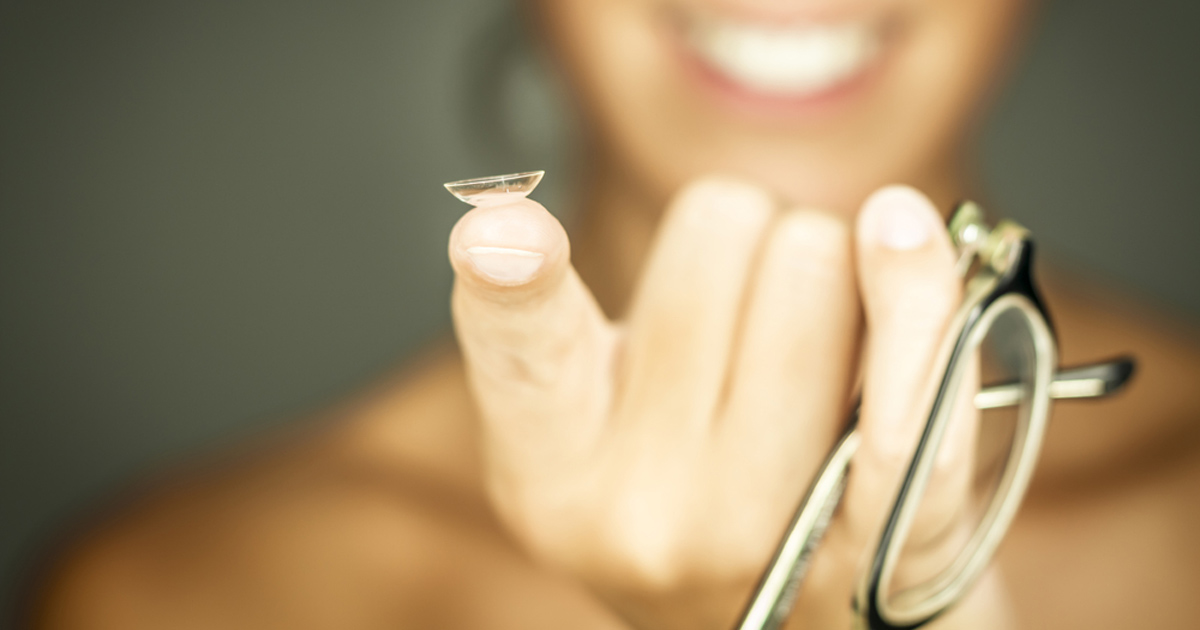
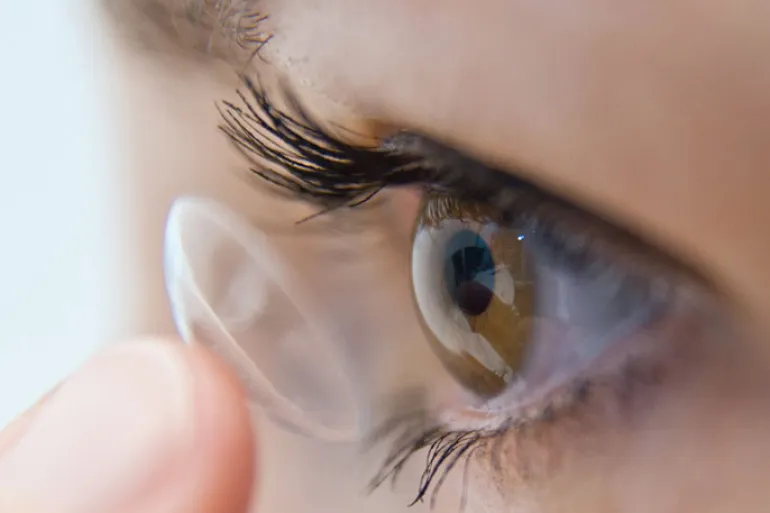
Replacing your contact lenses at the recommended intervals helps protect your eyes from serious infections, dryness, and irritation caused by the gradual buildup of proteins and microorganisms on the lens surface over time.
When you wear your lenses longer than the period advised by your ophthalmologist or the manufacturer, the lenses become less oxygen‑permeable. This reduces oxygen supply to the cornea and increases the risk of corneal ulcers and ocular hypersensitivity.
Sticking to the replacement schedule for your lenses—whether they are daily disposables, monthly lenses, or extended‑wear lenses—helps maintain clear vision and all‑day comfort, while reducing redness, grittiness, and the sensation of having a foreign body in the eye.
Timely lens replacement is also a key component of proper eye‑care hygiene. It supports long‑term ocular health and reduces the likelihood of needing medical treatment or having to stop wearing contact lenses temporarily because of complications.
When should you replace your contact lenses by type?
Daily Contact Lenses
Daily contact lenses are designed for single‑day use and must be discarded immediately after removal.
When should daily lenses be replaced?
They must be replaced every day and must never be worn again the next day, no matter how clean or comfortable they seem.
Reusing daily disposables significantly increases the risk of bacterial infections, eye redness, and corneal dryness.
If you experience discomfort, itching, or sudden blurred vision before the end of the day, remove the lens immediately, do not put it back in, and consult an ophthalmologist if the problem keeps recurring.
Weekly (Frequent Replacement) Lenses
Weekly lenses are typically designed to be worn for 7 to 14 days, depending on the specific lens type and your eye‑care provider’s instructions.
With this category of contact lenses, you must replace them once the recommended wearing period is over, even if they look intact, because protein deposits and microorganisms accumulate on the lens surface over time.
Sleeping in weekly lenses is generally not recommended unless they are specifically approved for extended wear and your ophthalmologist has confirmed that this is safe for you.
If you notice persistent redness, a foreign‑body sensation, or blurred vision before the end of the week, remove and replace the lenses immediately, check your cleaning and storage routine, and see your doctor if symptoms continue.
Monthly Lenses
Monthly contact lenses are intended for daily wear for up to 30 days, with mandatory removal and cleaning every night.
When should monthly lenses be replaced?
They must be discarded and replaced 30 days after opening the blister pack, not after 30 days of actual wear.
Exceeding the recommended replacement schedule can lead to reduced oxygen supply to the cornea and increased buildup of proteins and lipids on the lens, which raises the risk of eye infections and allergic reactions.
Monthly lenses should be stored in a sterile, multipurpose contact lens solution, with the solution changed every day. Tap water must never be used.
If you develop symptoms such as burning, blurred vision, or marked light sensitivity before the end of the month, this is a sign that the lenses should be replaced and that you should consult an ophthalmologist to reassess the lens type and its suitability for your eyes.
Extended‑Wear / Long‑Term Lenses
Extended‑wear or long‑term contact lenses may be prescribed for use ranging from 3 months up to a year, depending on the lens material, manufacturer’s recommendations, and your ophthalmologist’s guidance.
For this lens category, replacement depends not only on the time frame but also on the condition of the lenses and the health of your eyes.
When should long‑term lenses be replaced?
They must be replaced as soon as they reach the end of their approved lifespan, or at the first sign of scratches, discoloration, cracks, or any new discomfort while wearing them.
These lenses require very meticulous care and a strict daily cleaning routine using an appropriate sterile solution, and you should avoid sleeping in them unless your eye doctor has specifically allowed it.
Regular eye examinations are recommended during the use of long‑term lenses to detect any chronic inflammation or corneal changes early, as these may necessitate changing the lens type or shortening the wearing time.
Warning signs that mean you should replace your contact lenses immediately
Discomfort While Wearing Lenses
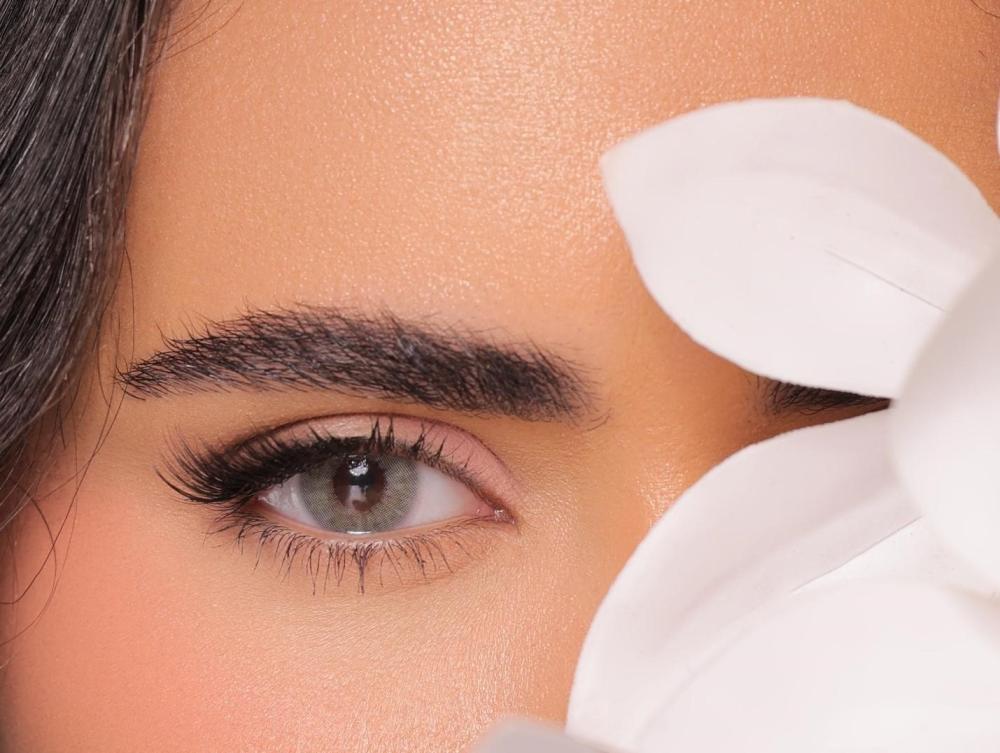
If you suddenly start feeling discomfort while wearing your contact lenses, even if you’re normally used to them, this is a clear sign that the lenses need to be replaced immediately.
This discomfort may feel like there is a foreign body in the eye, or present as stinging, burning, or a constant urge to rub your eyes.
Such symptoms often indicate that the surface of the contact lens has been damaged, has accumulated deposits and bacteria, or that the lens has simply reached the end of its safe lifespan.
Ignoring discomfort and continuing to wear the lenses can increase the risk of infection, dry eye, and corneal abrasions. It is therefore safer to discard the lens and switch to a fresh, clean pair.
Recurrent Dry Eye
Frequent dry eye while wearing contact lenses is one of the most common signs that it’s time to change your lenses.
If you notice that you need to use lubricating eye drops more often, or feel tightness and burning in your eyes by the end of the day, this may mean the lens is no longer retaining moisture adequately.
Over time, contact lenses become less efficient at allowing oxygen to reach the eye, and the tear film on their surface becomes less stable, leading to bothersome dryness.
In this situation, it is advisable to remove the lens and let the eye rest, then use a new pair of lenses or consult an ophthalmologist to choose a lens type better suited for dry eyes.
Blurred or Distorted Vision
Any sudden change in the clarity of your vision while wearing contact lenses should be treated as a warning sign that the lens needs to be replaced immediately.
Blurred vision may appear as haziness, difficulty focusing on near or distant objects, or seeing halos around lights.
Possible causes include a buildup of debris or deposits on the lens surface, minor scratches on the lens itself, or the lens reaching the end of its recommended wear period.
If your vision does not improve after cleaning the lens according to proper instructions, it is best to discard it and open a new pair. If blurred vision persists even without lenses, you should see an eye specialist.
Visible Deposits or Changes in Lens Shape
Inspecting your contact lenses before putting them in is essential. Any visible white deposits, spots, discoloration, or change in the shape of the lens is a reason to replace it immediately.
These deposits may be tear film proteins, cosmetic residues, or microorganisms. All of these reduce lens clarity and increase the risk of irritation and eye infections.
Likewise, any cracks, small tears, or abnormal curvature in the contact lens mean it is no longer safe to use, even if it still feels comfortable on the eye.
Using deformed lenses or lenses covered with deposits can lead to corneal scratches and eye inflammation. It is therefore recommended to dispose of them at once and adhere to the replacement schedule advised by the manufacturer and your eye care professional.
Redness or Irritation of the Eye
Recurrent or persistent eye redness while wearing contact lenses is one of the most important warning signs and should not be ignored, as it may indicate irritation or inflammation of the ocular surface.
If you notice marked redness, burning, increased light sensitivity, or excessive tearing, this often means the lens is exerting abnormal pressure or friction on the eye, or that it is contaminated or past its expiration date.
In such cases, you should remove your contact lenses immediately and avoid putting them back in, while monitoring whether the redness improves over the next few hours.
If redness or pain persists after removing the lens, you should seek urgent evaluation by an ophthalmologist, as continuing to use lenses that cause irritation can lead to serious corneal infections.
What Happens When You Wear Contact Lenses Longer Than Recommended?
Wearing contact lenses beyond the period advised by your ophthalmologist or the lens manufacturer exposes your eyes to a range of serious problems that may start with mild symptoms and progress to permanent complications.
When you delay replacing your lenses, protein deposits, lipids, and microbes accumulate on their surface. This buildup significantly increases the risk of eye infections, allergic reactions, and persistent eye redness.
Prolonged lens wear also reduces the amount of oxygen reaching the cornea, which can lead to dry eyes, blurred vision, and a stinging sensation or feeling as if there is a foreign body in the eye.
In more severe cases, neglecting lens replacement schedules can result in corneal ulcers, permanent scarring, and surface irregularities of the eye that may affect visual quality in the long term.
Sticking to the recommended replacement schedule for your contact lenses—whether daily, monthly, or any other type—is not optional luxury; it is a fundamental step to protect your eyes and maintain clear, healthy vision.
How can you tell your contact lenses are no longer right for you?
Your contact lenses may no longer be suitable if you start noticing unusual symptoms, such as persistent dryness, burning, itching, or a constant sensation of something in your eye, even when you’ve only been wearing your lenses for a short time compared with before.
Another important warning sign is ongoing eye redness, blurred or fluctuating vision, or frequent headaches when using your lenses. These may indicate that your lens power, material, or level of hydration is no longer appropriate for your eyes.
Seeing halos around lights at night, marked sensitivity to light (photophobia), or noticing unusual eye discharge are all reasons to stop wearing your contact lenses and seek prompt evaluation by an ophthalmologist.
If you find yourself needing to remove your lenses several times a day because of discomfort, or if your wearing time has become significantly shorter than it used to be, this may mean you need to switch to a different type of contact lens or consider safer alternatives for your eyes.
Tips to Safely Maximize the Lifespan of Contact Lenses Within Their Approved Wear Time
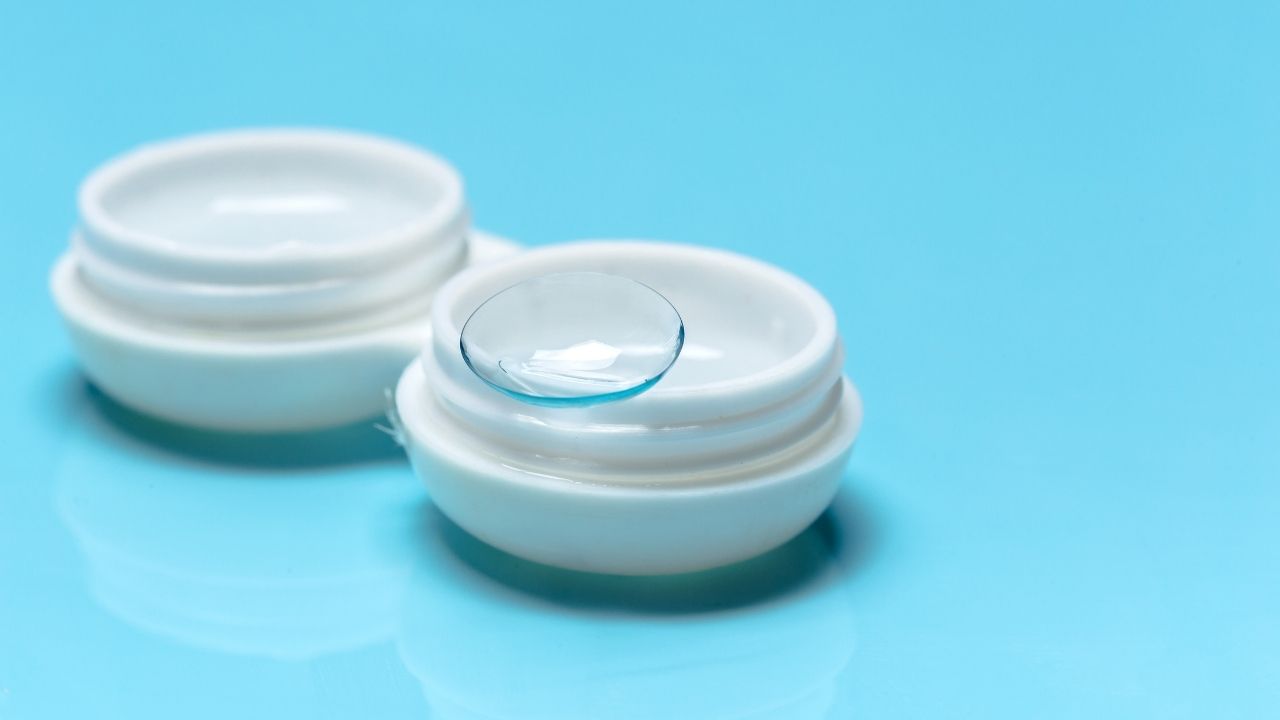
To keep your contact lenses usable for as long as their approved wear time allows—without exposing your eyes to serious complications—start by washing your hands thoroughly with an unscented soap and drying them well before touching your lenses. This step reduces the transfer of germs to the lens surface.
Use only contact lens–specific cleaning and disinfecting solutions, and avoid rinsing lenses with tap water or saliva, as both can harbor bacteria, fungi, and other microorganisms harmful to the eye.
Clean your contact lens case daily, and replace it at least every three months. Always use fresh solution when storing your lenses and never top off or reuse old solution.
Follow the replacement schedule set by your eye care professional or indicated on the lens packaging, and do not extend wear beyond the recommended period—even if the lenses still look and feel fine. Over‑wearing lenses significantly increases the risk of eye infections and corneal ulcers.
Avoid sleeping in your contact lenses unless they are specifically approved for overnight or extended wear and your ophthalmologist has confirmed that this is safe for you. Reduced oxygen supply to the cornea accelerates lens deterioration and can compromise ocular health.
It is also advisable not to wear contact lenses while swimming or showering to prevent contamination with waterborne microbes, and to avoid direct exposure of the lenses to very dry air or high temperatures.
Finally, if you experience pain, redness, blurred vision, or marked light sensitivity, remove your lenses immediately and seek prompt evaluation by an ophthalmologist. Safe use and strict adherence to instructions are the best ways to benefit from contact lenses throughout their intended lifespan without unnecessary risks.
Common Mistakes That Cause Contact Lenses to Wear Out Quickly
Exceeding the Recommended Replacement Schedule
Ignoring the recommended replacement schedule for contact lenses is one of the most common mistakes that leads to rapid lens deterioration and jeopardizes eye health.
Each type of contact lens (daily, monthly, or extended-wear such as 6‑month lenses) has a specific wearing period determined by the eye care professional and the manufacturer. Extending use beyond this period causes the lens material to lose its flexibility and become more prone to tearing, as well as to deposits and bacterial buildup.
Continuing to wear lenses past their replacement date increases the risk of eye infections, dry eye, and allergic reactions, and may cause micro‑abrasions on the corneal surface.
It is therefore essential to follow the recommended replacement schedule for your contact lenses and avoid trying to “save money” at the expense of your eye health and the integrity of the lenses.
Rinsing Lenses with Water
Rinsing contact lenses with tap water, even if it appears clean, filtered, or “pure,” is a serious mistake that accelerates lens damage and exposes the eye to infection.
Water contains microorganisms such as amoebae (including Acanthamoeba) and bacteria that are not eliminated by simple rinsing and can adhere to the lens surface, then pass directly to the cornea.
Water also alters the composition and sterility of the lens, reducing its flexibility and making it more likely to tear and feel uncomfortable on the eye.
Always use a commercially prepared contact lens solution specifically designed for cleaning and disinfecting lenses, and never rinse lenses with water or hold them under the tap under any circumstances.
Using a Contaminated Lens Case
Using an unclean or old lens storage case is a common cause of rapid contact lens deterioration, even when the lenses themselves are new.
Over time, bacteria and deposits accumulate on the inner surfaces of the case. When lenses are stored inside, these contaminants transfer directly onto the lens and then to the eye.
This neglect can cause recurrent infections, redness, and a burning sensation, and it also shortens the functional lifespan of the lenses and makes them less comfortable.
To maintain lens safety, the storage case should be rinsed daily with contact lens solution (not water), left to air‑dry, and replaced entirely every three months, or as advised by your eye care professional.
Sharing Lenses with Others
Sharing contact lenses with anyone else, even a family member, is a common and dangerous practice that quickly damages the lenses and easily spreads infection.
Each eye has its own unique microbial flora. When lenses are shared, bacteria, viruses, and fungi can be transmitted from one person to another, greatly increasing the risk of keratitis and other serious complications that may affect vision.
Contact lenses are also fitted to match the specific curvature and needs of each individual eye. Sharing them can cause improper contact with the ocular surface, leading to corneal abrasions and ongoing irritation.
For this reason, contact lenses are strictly personal medical devices and must never be shared under any circumstances, to protect eye health and prevent lenses from deteriorating faster than expected.
Get the Right Contact Lenses at Batal Vision Jeddah
At Batal Vision Center in Jeddah, you receive a comprehensive eye-care consultation that helps you choose the most suitable contact lenses when considering a change, ensuring maximum comfort and eye safety.
The optometrist begins with a thorough examination of the cornea and accurate measurement of refractive errors such as myopia (short-sightedness), hyperopia (long-sightedness), and astigmatism. They also assess dry eye status and any sensitivity to contact lens materials or cleaning solutions.
Based on these findings, the most appropriate type of contact lenses is recommended for you—whether daily disposables, monthly lenses, or cosmetic (colored) prescription contact lenses—along with a clear explanation of the advantages of each option and how to use them correctly.
At Batal Vision Jeddah, you are also guided step-by-step on how to insert and remove your lenses, how to care for them properly, and how to reduce the risk of infections or corneal ulcers, making your transition to new contact lenses safer and better suited to your lifestyle.