
Blog
Daily or monthly contact lenses: which is better?

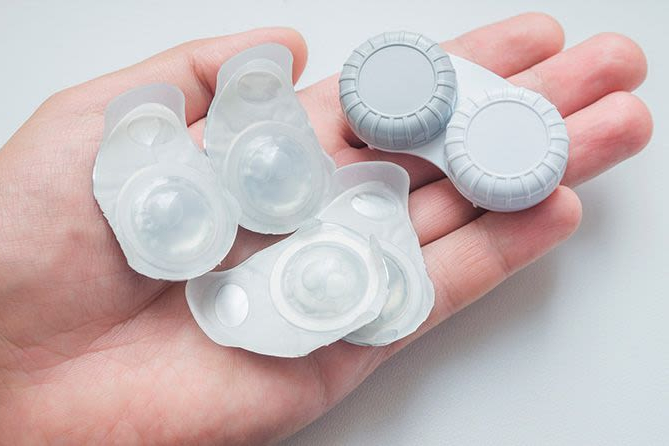
What’s the Difference Between Daily and Monthly Contact Lenses?
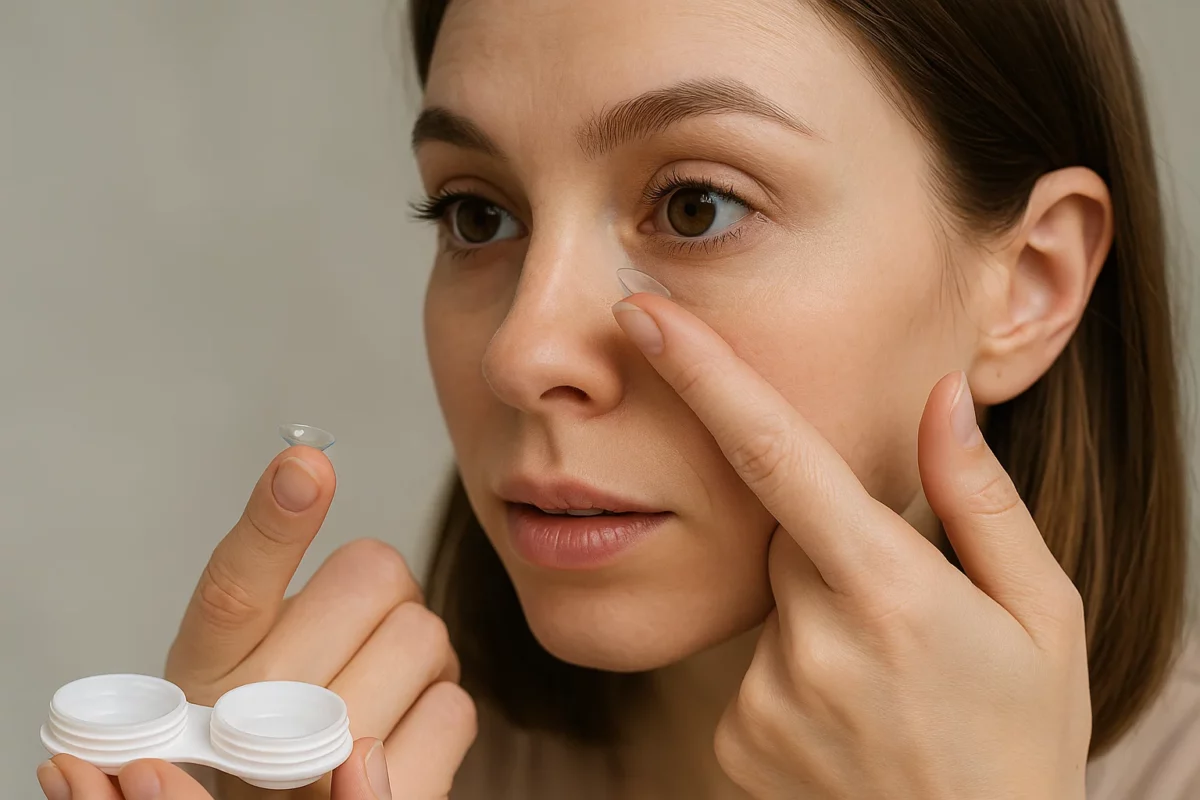
The difference between daily and monthly contact lenses mainly lies in how long each type is worn and how they’re cared for, which directly affects comfort and eye health.
Daily disposable lenses are designed for single use: you wear a fresh pair each day and throw it away at night. Because they’re discarded after one use, there’s less buildup of deposits and microorganisms on the lens surface, making them a good option for people with sensitive or allergy‑prone eyes, or for those who prefer to avoid the hassle of cleaning and storing their lenses.
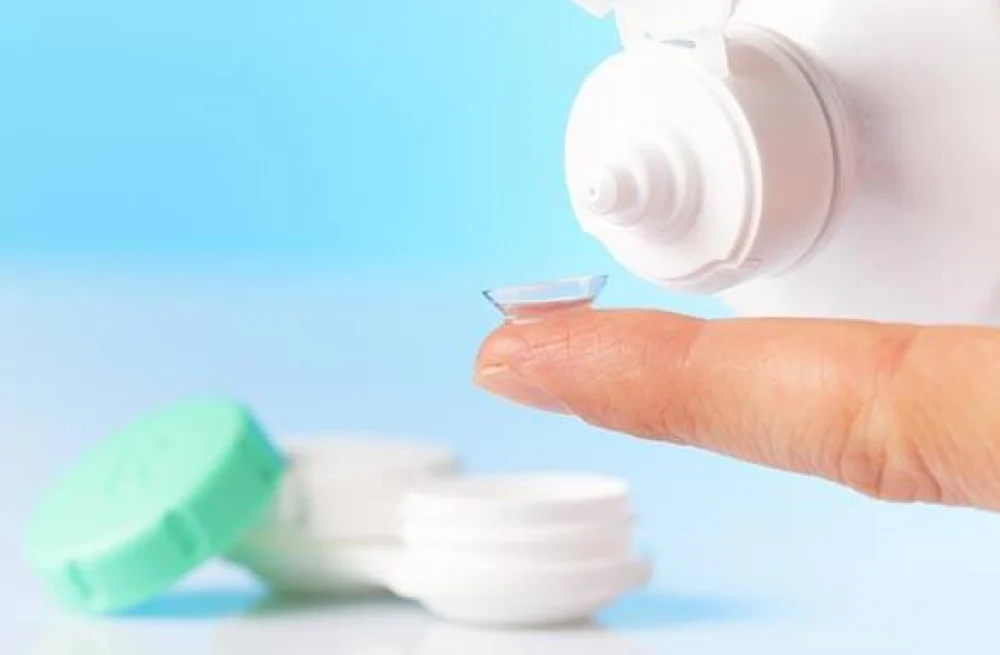
Monthly lenses, on the other hand, are intended to be worn for up to about 30 days, with the requirement that you remove them each night, clean them with an appropriate contact lens solution, and store them in a sterile lens case. They’re generally more cost‑effective over time but require strict adherence to cleaning and disinfection routines to protect the cornea and reduce the risk of infections such as keratitis or conjunctivitis.
Choosing between daily and monthly lenses depends on your lifestyle, budget, and how committed you are to lens care. It’s essential to consult an ophthalmologist or eye care professional to determine which type is most suitable for your eyes and your refractive error.
Advantages of Daily Contact Lenses
Ease of Use
Daily disposable contact lenses are an excellent option for anyone seeking maximum convenience with minimal hassle.
They’re designed for single-day wear and are discarded at the end of the day, so there’s no need for cleaning solutions or lens cases, unlike monthly lenses.
This eliminates many of the daily steps involved in lens care, making the routine of wearing contacts quicker and more straightforward—especially for busy individuals or first‑time contact lens users.
The simplicity of daily disposables also makes it easier for patients to follow their eye care professional’s instructions, which in turn supports better eye health and overall comfort.
Higher Level of Hygiene
One of the key advantages of daily disposable lenses is their superior hygiene compared with monthly replacement lenses.
Each lens is opened fresh and sterile every day, which dramatically reduces the risk of contamination by microorganisms or dust over time.
Because the lens is not reused, its surface is less exposed to air, fingers, and multipurpose solutions—all factors that can increase the risk of ocular infection or irritation.
For this reason, many ophthalmologists and optometrists prefer daily disposables for patients who place a high priority on ocular hygiene and protection.
Reduced Build‑Up of Deposits and Bacteria
Daily disposable lenses significantly lower the risk of protein, lipid, and bacterial deposits accumulating on the lens surface, compared with monthly lenses that are worn for a longer period.
Over days and weeks, tear film components such as proteins and lipids, along with bacteria, can build up on longer‑wear lenses, even with proper cleaning and disinfection.
With daily lenses, the lens is discarded before there is time for clinically significant deposit build‑up, helping to reduce redness, dryness, and discomfort during wear.
This makes daily disposables a safe and practical choice for those who are concerned about ocular surface health and want to minimize the risk of conjunctivitis and other inflammatory conditions as much as possible.
Ideal for Occasional Wearers
Daily disposable lenses are particularly suitable for people who do not wear contact lenses every day.
If you only need lenses for special occasions, during travel, sports, or at specific times instead of your glasses, dailies give you that flexibility without worrying about the limited wearing period of a monthly lens once the blister pack is opened.
There’s no need to commit to a monthly replacement schedule or store lenses for extended periods; you simply open a fresh pair whenever you need it, which can be more economical and convenient in such cases.
This flexibility makes daily disposables an attractive option for many individuals who want the freedom of contact lenses when needed, while relying on their spectacles for the rest of the time.
Advantages of Monthly Contact Lenses
Lower long-term cost
One of the key advantages of monthly contact lenses is that they are more cost‑effective over the long term compared with daily disposables, especially for people who wear lenses regularly.
Instead of buying a large number of daily lenses for every single day of use, one monthly lens per eye can last up to 30 days, provided that cleaning and care instructions are followed.
This makes monthly lenses an economical choice for individuals who wear contact lenses most days of the week, while still maintaining visual quality and comfort when used as directed by an eye care professional.
Wide range of options for different vision problems
Monthly lenses are available in a broad range of designs to address various refractive errors, including myopia (short‑sightedness), hyperopia (long‑sightedness), astigmatism (irregular corneal curvature), and even multifocal lenses for presbyopia (age‑related difficulty focusing on near objects).
This variety gives monthly lens wearers greater flexibility in selecting the option that best matches their visual needs, including lenses with high oxygen permeability and different materials suitable for sensitive eyes.
Thanks to these options, monthly lenses are a practical and versatile alternative to spectacles, offering precise correction tailored to each person’s refractive condition.
Suitable for regular daily wear
Monthly contact lenses are particularly well‑suited for people who need to wear lenses on a daily and consistent basis, such as students, office workers, drivers, and those who engage in light sports activities.
They are designed to be worn comfortably for extended hours throughout the day while maintaining clear vision, as long as the wearer adheres to a proper nightly cleaning and disinfection routine.
For many users, monthly lenses are the preferred choice when contact lenses are part of their everyday routine, making them a practical and convenient option compared with daily disposables, which can be more expensive with continuous use.
Daily vs. Monthly Contact Lenses: Which Is More Comfortable for Your Eyes?
The comfort level of daily and monthly contact lenses largely depends on your lifestyle and your eyes’ specific needs. Many ophthalmologists consider daily disposable lenses more comfortable and safer for people with sensitive eyes or dry eye syndrome. Since they are worn once and discarded at the end of the day, they minimize the buildup of deposits and bacteria on the lens surface, providing a fresh, comfortable feeling every morning.
Monthly lenses can also be comfortable, provided you adhere strictly to daily cleaning with an appropriate multipurpose or disinfecting solution. However, they require more diligent care to maintain adequate moisture, cleanliness, and overall lens hygiene throughout the wear period.
If your main question is which option generally offers more comfort, daily disposables usually have the edge in terms of immediate comfort and reduced irritation. Monthly lenses, on the other hand, remain a practical and cost-effective solution for people who do not have significant sensitivity or pronounced dry eye—on the condition that they follow their ophthalmologist’s instructions and maintain a consistent lens care routine.
Who are daily contact lenses suitable for?
Active Lifestyles
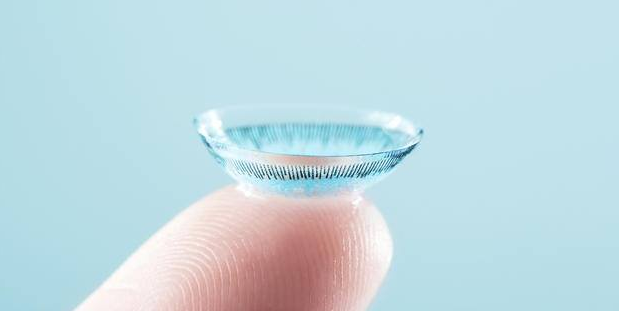
Daily disposable contact lenses are an excellent option for people with an active lifestyle who regularly play sports or engage in high‑movement activities.
They reduce the risk of deposits and bacterial buildup on the lens surface, which helps protect the eyes from infections and irritation, especially with sweat and dust exposure.
Wearing a fresh, sterile lens every day means clearer vision and greater comfort while running, working out at the gym, or playing team sports.
And because you simply discard the lens at the end of the day—without needing a storage case or disinfecting solution—daily disposables are more practical and convenient for highly active individuals than monthly lenses.
Frequent Travelers
Daily disposable lenses are particularly well-suited for travelers, especially those who frequently change accommodations or spend long hours on planes and trains.
They eliminate the need to carry contact lens solutions and cases, which lightens your luggage and makes lens care easier in constantly changing travel conditions.
Daily lenses also reduce the risk of eye infections related to inadequate lens disinfection in poorly equipped places or when clean water is not always available.
So if you travel a lot or spend extended periods away from home, daily disposable lenses may be a safer and more comfortable choice than monthly lenses.
Occasional Contact Lens Wearers
People who don’t wear contact lenses every day, but prefer to use them on special occasions or only on certain days, are usually better served by daily disposables than by monthly lenses.
With daily lenses, there is no need to worry about when the blister pack was opened or whether the lens has passed its one‑month wear period; each lens is used once and then discarded.
This makes daily disposables an economical and practical option for occasional wear—such as social events, short trips, or specific sports activities.
They also lower the risks associated with improper use of monthly lenses, like forgetting when to replace them or storing them in unsuitable solutions.
Who are monthly contact lenses suitable for?
Daily Contact Lens Wearers
Monthly contact lenses are a highly suitable option for people who wear contacts for extended hours each day.
They are designed to withstand repeated use while maintaining good comfort and clear vision, provided that proper daily cleaning and disinfection routines are followed.
If you rely on contact lenses instead of glasses on a daily basis, monthly lenses may be a better fit for your lifestyle than daily disposables, as they offer a balance between comfort and long-term cost.
However, it is essential to consult an ophthalmologist to ensure that the type of monthly lenses and the materials they are made from are compatible with your corneal surface and your visual needs.
Those Seeking a Cost-Effective Long-Term Option
Monthly lenses are well-suited for individuals looking for an effective and economical vision correction solution compared with daily disposables.
For regular contact lens users, the overall cost of monthly lenses can be lower over time, especially for those who need to wear lenses most days of the week.
This type of lens is ideal for anyone wishing to combine high-quality vision, comfort, and a reduction in the ongoing monthly expenses of purchasing lenses.
That said, the cost of cleaning and care solutions must be taken into account, and you should make sure that sticking to a care routine does not become a daily burden.
People Who Can Commit to a Cleaning and Care Routine
Monthly lenses are appropriate for disciplined individuals who can consistently follow a fixed routine for daily lens cleaning and disinfection.
These lenses require meticulous care, including gently rubbing the lens, rinsing it with a suitable multipurpose or disinfecting solution, and storing it overnight in a clean lens case filled with sterile solution.
If you are someone who rarely forgets daily care steps and pays close attention to personal hygiene and eye health, monthly lenses can be a safe and suitable option for you.
On the other hand, if you are prone to skipping lens cleaning or using an inappropriate solution, the risk of irritation and infection increases, and in that case, daily disposable lenses may be a safer choice.
Essential Tips for Protecting Your Eyes When Using Contact Lenses
Adhering to the Recommended Wearing Schedule
Sticking to the prescribed wearing schedule for daily or monthly contact lenses, as determined by your ophthalmologist or the lens manufacturer, is one of the most important steps in protecting your eye health.
Wearing daily disposable lenses for more than one day, or continuing to use monthly lenses beyond their replacement date, significantly increases the risk of keratitis (corneal infections), dry eye, and the build‑up of protein deposits on the lens surface.
When choosing between daily and monthly lenses, make sure to read the accompanying instructions carefully, follow the recommended maximum daily wearing time and replacement interval exactly, and never try to “save money” at the expense of your eye health.
If you experience any burning sensation, redness, or blurred vision before the end of the recommended wearing period, remove your lenses immediately and consult your eye doctor.
Proper Lens Cleaning Techniques
Cleaning your contact lenses correctly is essential to protect your eyes from bacteria and irritants, especially when using monthly or other reusable lenses.
Use only a commercially approved contact lens solution, and avoid tap water or saliva under all circumstances, as both may contain microorganisms that can cause serious infections of the cornea.
Wash your hands thoroughly with soap and water, then dry them before handling your lenses. Gently rub each lens with the solution for a few seconds, then rinse it with fresh solution before placing it in a clean case filled with new disinfecting solution.
Make sure you also clean your lens case regularly and replace it at recommended intervals. Proper lens and case hygiene is a fundamental part of a healthy routine, whether you wear daily disposables or monthly lenses.
Avoid Sleeping in Your Lenses
Do not sleep in your contact lenses—daily or monthly—unless they are a specific extended‑wear or overnight type approved for this purpose and your ophthalmologist has confirmed that they are suitable for you.
Sleeping in standard lenses reduces the amount of oxygen delivered to the cornea and greatly increases the risk of microbial keratitis, eye irritation, and significant dryness upon waking.
Even if your lenses feel comfortable, make it a habit to remove them before going to bed or even taking a nap, and store monthly lenses in an appropriate disinfecting solution.
This simple habit will help preserve your long‑term eye health and reduce the complications associated with improper contact lens use.
Scheduling Regular Eye Examinations
Regular check‑ups with an ophthalmologist are essential for anyone who wears daily or monthly contact lenses.
Routine eye examinations help ensure that your lens fit and prescription are appropriate, that your cornea and conjunctiva are healthy, and that any early signs of complications are detected before they worsen.
Even if you are not experiencing pain or obvious symptoms, it is advisable to see your eye doctor at least once a year—or as recommended—especially if you rely on contact lenses every day instead of glasses.
Through consistent follow‑up, you and your doctor can determine whether daily disposables or monthly lenses are more suitable for you, and fine‑tune your wearing and care routine to maintain both comfort and ocular health.
Choose the Right Contact Lenses for You at Batal Vision Jeddah
At Batal Vision in Jeddah, our optometrists help you choose the most suitable daily or monthly contact lenses for your eyes, based on a thorough eye examination that includes the corneal surface, your refractive error, and your lifestyle.
By assessing how prone your eyes are to dryness, how many hours a day you wear lenses, and your monthly budget, we recommend the safest and most comfortable type of contact lenses for you—whether you prefer highly hygienic daily disposables for single use, or practical monthly lenses for repeated wear.
The correct clinical choice is based on key medical parameters such as oxygen permeability, lens moisture (water content), and the lens material itself. This helps reduce the risks of inflammation, redness, and allergic reactions, while protecting the cornea in the long term.
At Batal Vision Jeddah, you will receive a specialist consultation and the opportunity to try suitable lenses before committing to them, along with clear instructions on how to care for your daily or monthly lenses and how to clean and disinfect them properly, ensuring clear vision with safe and comfortable wear.