
Blog
Sunglasses lens colors

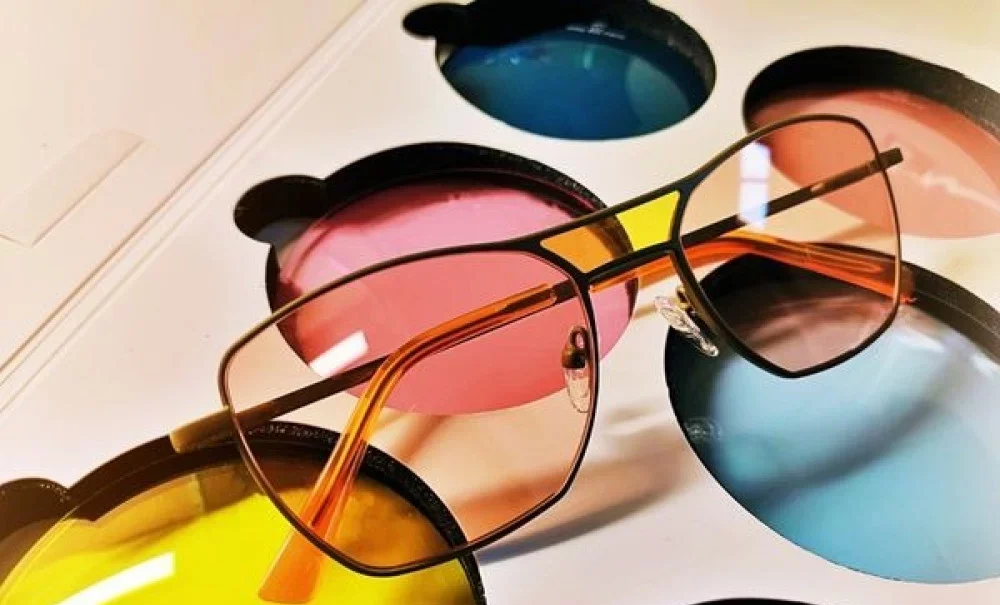
Why Do Different Sunglass Lens Colors Have Different Effects?
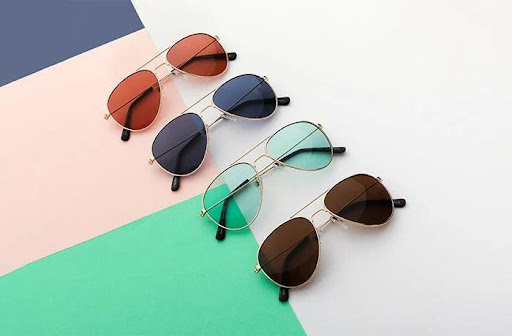
The effect of sunglass lens colors varies because each tint interacts differently with light and its spectrum, which in turn influences visual clarity, eye comfort, and retinal protection.
Lens tints work by absorbing specific wavelengths of light. Colors like brown and amber, for example, enhance contrast and reduce glare in daylight, making them useful in bright outdoor conditions. Grey lenses, on the other hand, primarily reduce overall light intensity without significantly altering the perception of colors, which makes them suitable for driving and everyday activities.
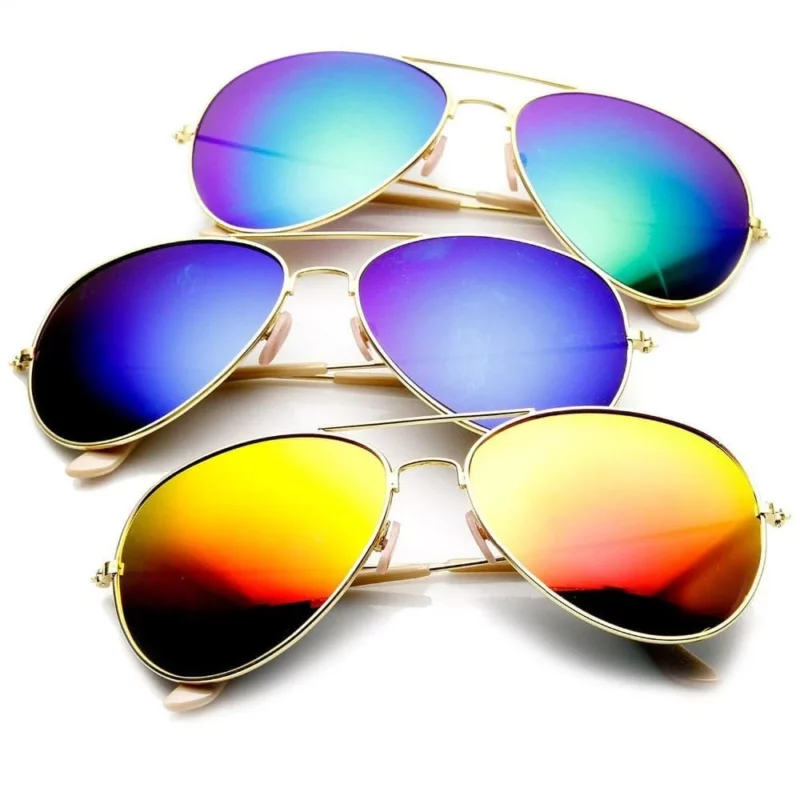
Green, blue, and mirrored lenses help cut down intense bright light and improve visual comfort in wide, open environments, but they can affect color discrimination to varying degrees.
Although different lens colors influence comfort and visual quality, the level of protection against ultraviolet radiation is determined by the lens material and its UV filter coating—not by the color itself. For that reason, it is essential to choose sunglasses that combine a lens color appropriate for your daily activities with full UV protection (UV 400) to help preserve ocular health over the long term.
Gray Lenses: Naturally Clear Vision
Gray-tinted lenses are among the most widely used sunglass tints because they provide a natural, true-to-life vision without noticeably altering the colors of your surroundings.
They reduce the intensity of bright light and glare in a balanced way while maintaining accurate color perception, making them an excellent choice for driving, outdoor activities, and prolonged exposure to sunlight.
Gray lenses distribute light filtration evenly across the visible spectrum, helping the eyes adapt comfortably and reducing eye strain and headaches associated with continuous exposure to intense light.
When selecting sunglass lens colors, gray lenses are often recommended for those seeking ultraviolet (UV) protection with vision that remains as close as possible to normal, especially for people with photosensitivity or those who require precise, undistorted color recognition.
Brown Lenses: Reducing Glare and Enhancing Contrast
Brown-tinted lenses are among the most commonly used sunglass tints because they significantly reduce glare and enhance contrast, helping the eyes distinguish fine details more clearly in bright sunlight.
The brown tint absorbs a portion of scattered blue light in the atmosphere, which reduces visual “haze” and makes images appear sharper and warmer—particularly helpful while driving or playing outdoor sports.
This type of sunglass lens is especially beneficial for people with photophobia (light sensitivity) or visual fatigue, as it helps relieve eye strain and improves depth perception and color recognition in a comfortable, natural way.
Brown lenses are also a practical choice for everyday wear in sunny or variable weather conditions. They provide effective protection against harmful ultraviolet (UV) radiation while maintaining visual clarity and stable contrast across different lighting environments.
Green Lenses: The Perfect Balance of Protection and Comfort
Green-tinted lenses are among the most well-balanced options for sunglasses, as they offer a combination of eye protection, visual clarity, and everyday comfort.
These lenses help filter a portion of blue light and reduce glare while preserving a natural color contrast, which keeps your surroundings looking realistic and undistorted—especially in bright daylight.
From a clinical perspective, this tint is often recommended for individuals who experience eye strain or headaches triggered by intense lighting, as it softens light intensity without overly darkening the field of vision. Green lenses are well-suited for a variety of outdoor activities, including driving, sports, and walking.
When choosing a sunglasses lens color, green lenses are an excellent option for those seeking effective UV protection, visual comfort, and a balanced, relaxed viewing experience throughout the day.
Yellow and Orange Lenses: Ideal for Overcast Conditions
Yellow and orange lenses are among the best tint options for sunglasses on cloudy days or in low-light conditions, as they significantly enhance contrast between objects and their background and noticeably sharpen visual clarity.
These lenses help filter out a portion of scattered blue light, which reduces visual haze and makes road details and objects more distinct. This is particularly beneficial for drivers, cyclists, and outdoor sports enthusiasts.
From a medical standpoint, yellow and orange lenses can help reduce eye strain caused by trying to focus in dim lighting. However, they are not a substitute for proper UV-protective lenses. It is essential to ensure that the sunglasses provide 100% protection against UVA and UVB radiation.
By choosing an appropriate tint density and high‑quality lens material, users can enjoy clearer vision in overcast weather, greater visual comfort, and better overall eye safety.
Blue and Colored Lenses: Trendy Look with Real Protection
Blue and other colored sunglass lenses give you a modern, eye‑catching look, while still providing real eye protection when you choose high‑quality lenses that meet approved medical/optical standards.
Different tints such as blue, green, and violet can help enhance contrast and reduce glare, especially while driving or spending time at the beach. It’s essential, however, to ensure the lenses offer 100% protection against UVA and UVB rays to safeguard the retina and the crystalline lens of the eye.
People who suffer from photophobia (light sensitivity) or headaches triggered by glare are advised to select lens colors that match their daily activities, and to consult an optometrist or eye‑care professional to determine the appropriate tint density, rather than focusing on appearance alone.
In this way, tinted sunglass lenses strike a balance between fashion and safety: they add a contemporary touch to your overall look while protecting your eyes from the damage caused by repeated exposure to intense sunlight.
How to choose the right lens color for you
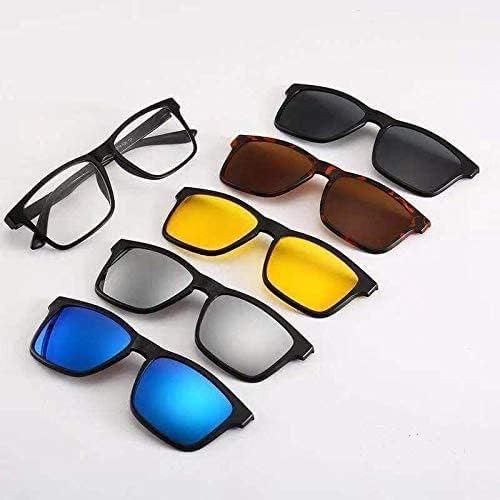
Choosing the right tint for your sunglasses isn’t just about style; it’s primarily about eye protection and visual comfort.
Ask yourself first: in what kind of environment will you use these sunglasses most of the time, and do you have any visual issues such as light sensitivity (photophobia) or reduced contrast sensitivity?
Grey lenses are often the medically preferred option for those who want natural color perception and reduced eye strain in bright sunlight. They maintain a neutral color balance without distorting colors.
Brown or amber lenses are suitable for frequent drivers or people with mild contrast sensitivity problems, as they enhance detail, improve depth perception, and provide clearer vision in overcast or hazy conditions.
Green lenses help reduce glare while preserving relatively accurate color perception, making them a good choice for a wide range of outdoor activities.
By contrast, tints like blue, pink, or yellow are more appropriate for cosmetic use or low‑light conditions. However, regardless of the color, it is essential to ensure that the sunglasses lenses provide 100% protection against ultraviolet radiation (UVA and UVB). This UV protection is the key medical requirement for eye health, far more critical than the tint itself.
When choosing a lens color, test the sunglasses in natural daylight and pay attention to how clearly you see and how comfortable your eyes feel. This sense of visual comfort is a strong indicator that the tint suits your eyes and your daily visual needs.
How does the Batal Vision team help you choose the ideal lens tint?
At Batal Vision, choosing the tint of your sunglasses isn’t just about style or personal taste; it’s based on a thorough visual assessment of your eye condition and daily visual demands.
Our clinical team starts by asking about how you mainly use your sunglasses:
Do you spend more time driving, playing outdoor sports, working in front of digital screens, or being near the sea?
Your eyes are then examined to assess your light sensitivity and to ensure there are no issues such as dry eye or retinal disorders that may require a specific level of UV protection.
Based on this assessment, our optometrists recommend the most suitable lens color—for example:
- Grey lenses for comfort in bright light while preserving true color perception
- Brown lenses to enhance contrast and improve vision during sunset or low‑light conditions
- Green lenses for a balance between visual clarity and glare reduction
They also explain the benefits of each tint and how it can impact your eye health.
The team will further guide you in selecting additional protective features, such as polarized lenses to reduce bothersome glare while driving or at the beach, and full UV400 protection to ensure maximum safety for the retina.
Through these carefully planned clinical steps, the Batal Vision team ensures you choose the ideal sunglasses lens color that combines visual safety, comfort, and an elegant look—perfectly aligned with your lifestyle.