
Blog
Do glasses protect the eyes from vision deterioration with age?

How Does Vision Change With Age?
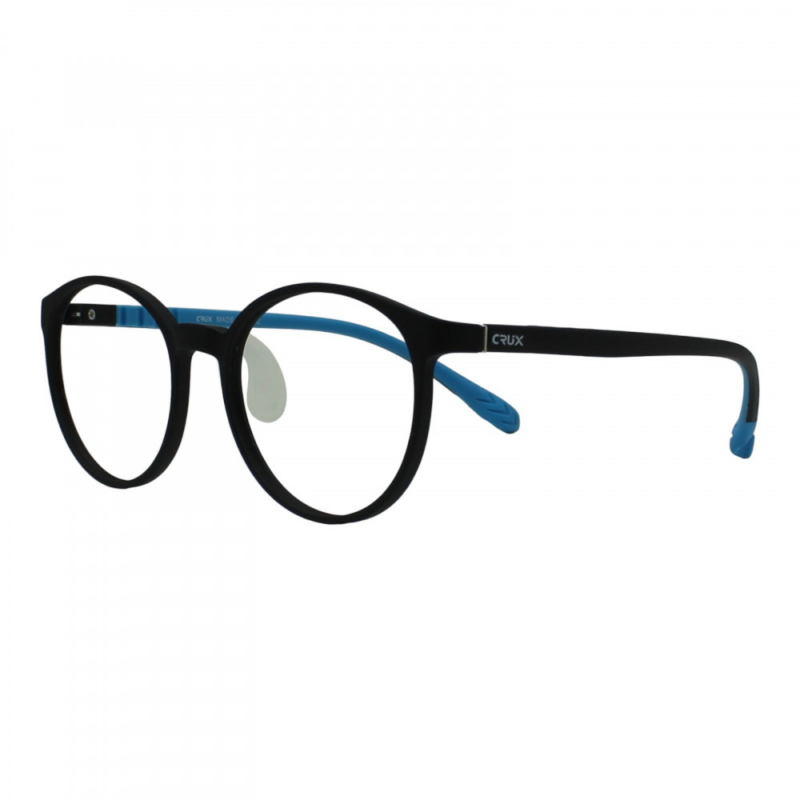
As we grow older, our vision naturally goes through several changes that affect how clearly we see and how our eyes focus. One of the most common age-related changes is presbyopia, which usually starts after the age of forty. In presbyopia, the eye’s lens loses flexibility, making it harder to focus on nearby objects such as a phone screen or a book.
Dryness of the eyes also becomes more common with age, and the quality of the tear film declines. This can cause burning sensations, irritation, or temporary blurred vision.
With advancing age, the risk of eye diseases such as cataracts, glaucoma, and age-related macular degeneration (AMD) also increases. These conditions can significantly impair vision if not detected and managed early.
This is why regular eye examinations are essential, along with using prescription eyeglasses when needed, and sunglasses that block ultraviolet (UV) rays. These measures don’t just improve visual clarity; they also help protect the eyes and reduce eye strain over time.
All these natural age-related changes in vision often lead people to wonder: Do glasses actually protect the eyes, or are they only meant to correct vision?
Common Causes of Vision Deterioration in Older Adults (Search-Intent Friendly)
Vision decline in older adults usually results from a combination of age-related and medical causes that require regular eye examinations, not just relying on glasses.
As we age, the eye’s focusing muscle weakens and becomes less flexible, leading to presbyopia (age‑related long‑sightedness) and difficulty reading up close. This is one of the most common causes of reduced near vision after the age of forty.
The risk of chronic eye diseases also increases with age, such as cataracts, glaucoma, and age‑related macular degeneration (AMD). All of these conditions are major contributors to gradual vision loss in older adults.
In addition, chronic systemic conditions like diabetes, hypertension, and high cholesterol affect the tiny blood vessels in the retina, leading to diabetic retinopathy and other forms of retinal damage that impair central or peripheral vision.
Environmental and lifestyle factors play a significant role as well. Long‑term exposure to ultraviolet (UV) rays without proper medical‑grade sunglasses, smoking, poor diet, and deficiency of antioxidants essential for retinal health can all accelerate vision deterioration.
This underscores an important point: glasses do not protect the eyes from these underlying causes; they only correct refractive errors. Real prevention lies in early detection, regular follow‑up with an ophthalmologist, protecting the eyes from harmful rays, and effectively controlling chronic diseases to preserve vision strength in older age.
Do Glasses Really Prevent Vision from Getting Worse?
Prescription glasses don’t completely stop vision from deteriorating, but they do play an important role in protecting the eyes from visual strain and can help slow the progression of certain vision problems in specific cases.
When you wear properly prescribed glasses from an ophthalmologist or optometrist, they correct refractive errors such as myopia (short-sightedness), hyperopia (long-sightedness), and astigmatism. This reduces eye muscle strain, headaches, and blurred vision, which in turn may help stabilize vision to some extent in certain individuals, especially children.
However, in many cases, worsening eyesight is mainly driven by genetic factors or natural age-related changes that glasses cannot fully prevent. What they can do is provide clearer, more comfortable vision and reduce complications related to eye strain, particularly in people who spend long hours using digital screens or reading.
So, glasses do not stop the underlying causes of vision loss, but they are an essential tool for relieving eye strain, improving day-to-day visual quality, and minimizing the impact of factors that might otherwise speed up visual deterioration if refractive errors were left uncorrected.
The Role of Eyeglasses in Enhancing Vision and Quality of Life in Line with the Research Objective
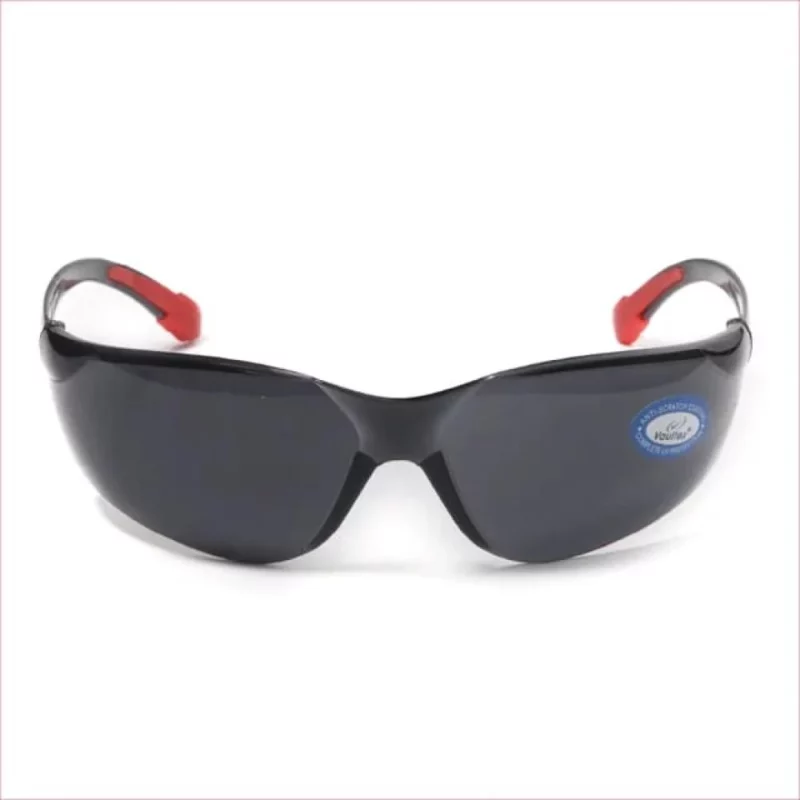
Prescription eyeglasses play a fundamental role in improving visual quality, which directly impacts a person’s day‑to‑day quality of life. They correct refractive errors such as myopia (short-sightedness), hyperopia (long-sightedness), and astigmatism, enabling clearer vision while driving, studying, working, and using digital devices.
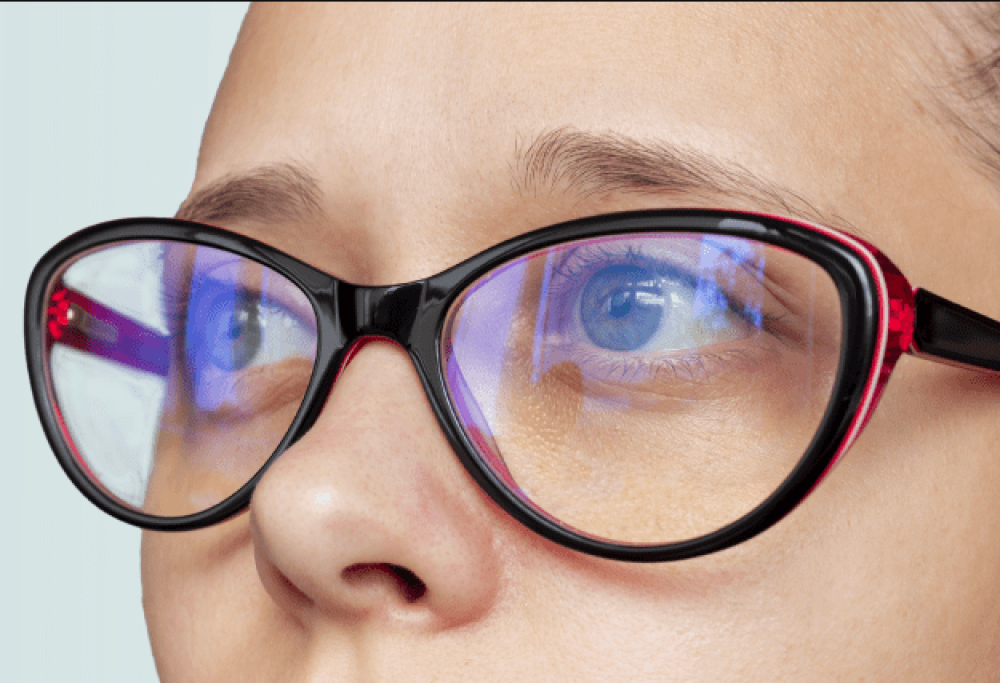
From a clinical perspective, properly prescribed glasses by an ophthalmologist or optometrist help reduce eye strain and headaches that result from prolonged effort to maintain focus. In addition, lenses with ultraviolet (UV) protection and blue‑light–filtering technology can lessen the cumulative damage to ocular tissues over time.
When exploring the question, “Do glasses protect the eyes?”, it becomes clear that their benefit is not limited to visual correction alone. With the appropriate lens type, eyeglasses can offer an effective protective barrier against harmful sunlight, dust, and environmental irritants. This, in turn, supports ocular health, maintains visual comfort, and enhances overall visual performance in daily activities.
Alternatives to Glasses: Contact Lenses and Refractive Surgery (Aligned with Search Intent)
Alongside the common question “Do glasses protect the eyes?”, many people also search for alternatives such as contact lenses and laser vision correction procedures, aiming for clear vision without having frames on their face.
Contact lenses are a widely used medical option to correct myopia (short-sightedness), hyperopia (long-sightedness), and astigmatism. They offer a wider field of vision than glasses and are often preferred by people who play sports or simply do not like the cosmetic appearance of spectacles. However, they require strict adherence to cleaning routines and recommended wear time to avoid eye infections and dryness.
Refractive surgeries such as LASIK, Femto-LASIK, and surface procedures like PRK are designed to reshape the cornea in order to permanently (or at least long-term) correct refractive errors and reduce dependence on glasses or contact lenses. Still, they are not considered a protective alternative in terms of shielding the eye from harmful radiation or direct trauma, and they are not suitable for everyone. These procedures require careful evaluation of corneal thickness, stability of the prescription, and overall ocular health.
Therefore, whether you opt for glasses, contact lenses, or refractive surgery, regular eye examinations by an ophthalmologist and consistent use of UV protection and other environmental safeguards remain essential for maintaining long-term eye health.
Tips to Protect Your Eyes as You Age (SEO-Friendly Medical Content)
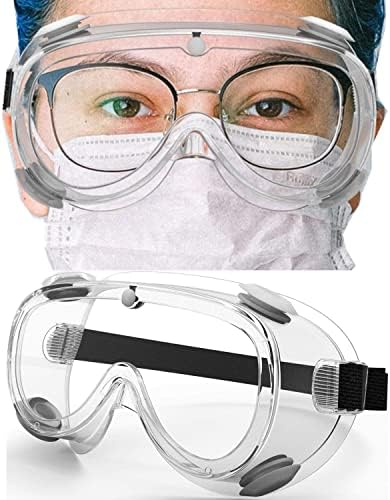
As we grow older, our eyes require more specialized care. Relying on glasses alone is not enough to protect your vision; you also need to follow a set of preventive measures to maintain healthy eyesight for as long as possible.
Schedule regular comprehensive eye exams with an ophthalmologist at least once a year to detect age-related eye conditions early, such as cataracts, glaucoma, and age-related macular degeneration (AMD).
Wear prescription glasses or sunglasses with UV protection (UV400) when outdoors during the day. This helps shield the lens and retina from harmful ultraviolet radiation and reduces long-term damage.
If you spend long hours in front of digital screens, apply the 20-20-20 rule: every 20 minutes, look at something 20 feet away for 20 seconds to reduce eye strain. You may also consider computer glasses after consulting your eye doctor.
Maintain a diet rich in antioxidants such as vitamins C and E, omega-3 fatty acids, and dark leafy greens like spinach and arugula. These nutrients support retinal health and help slow age-related vision decline.
Avoid smoking, as it significantly increases the risk of cataracts and age-related macular degeneration. Also, keep your blood pressure and blood sugar under control to protect the tiny blood vessels in the retina and reduce the risk of diabetic and hypertensive eye disease.
Don’t forget to keep your eyes lubricated with artificial tears if you experience dryness—especially with aging, contact lens use, or prolonged exposure to air-conditioned environments.
By combining these comprehensive measures with proper use of prescription eyewear and protective glasses, you can lower your risk of age-related eye diseases and preserve clearer, more comfortable vision over time.
How does the Batal Vision team help you protect your eye health as you age?
The Batal Vision team provides comprehensive eye care as you grow older, starting with regular, detailed check‑ups that include visual acuity testing, fundus examination, and assessment of the lens and retina. These evaluations enable early detection of common age‑related eye conditions such as cataracts, glaucoma, and age‑related retinal disorders.
Their role goes beyond simply prescribing eyeglasses and adjusting the prescription to reduce eye strain and sharpen your vision. They also guide you in choosing high‑quality lenses with effective ultraviolet and blue‑light protection coatings, so your glasses offer maximum benefit in safeguarding your eyes.
At Batal Vision, optometrists help you understand the normal changes that occur in vision with age and provide practical recommendations for maintaining healthy eyes—such as managing screen time, using proper lighting while reading, and using artificial tears when needed.
They also design a personalized follow‑up plan to monitor the stability of your prescription and ensure that your glasses are performing well in protecting your eyes, while enabling early medical intervention if any changes arise. This makes visiting Batal Vision an essential step for anyone seeking a clear, practical answer to the question: Do glasses really help protect your eyes as you get older?