
Blog
Nearsightedness: its symptoms and how glasses can help correct it


What Is Myopia and How Does It Develop?
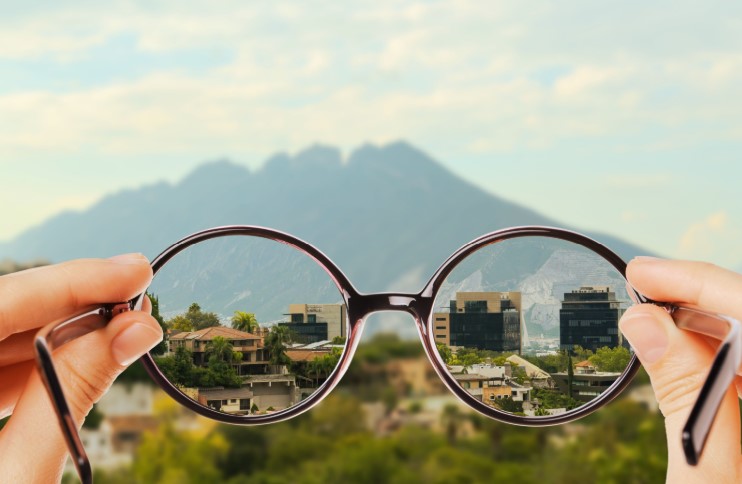
Myopia, or short-sightedness, is one of the most common refractive errors of the eye. It is characterized by difficulty seeing distant objects clearly, while near vision remains relatively good.
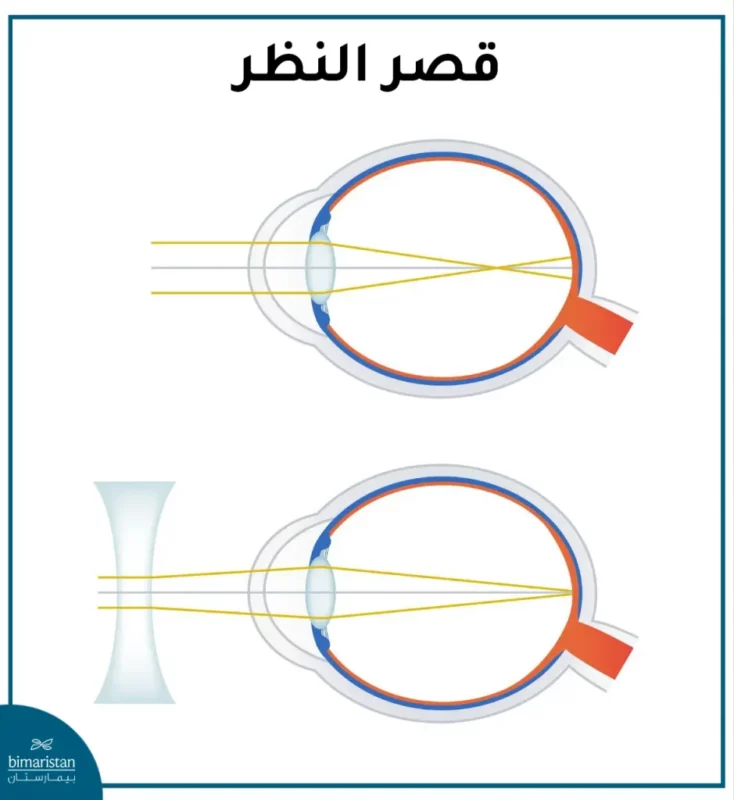
In myopia, light rays coming from distant objects are focused in front of the retina instead of directly on its surface, which results in a blurred, unclear image. This usually happens because the eyeball is longer than normal, or due to excessive curvature of the cornea or the lens, which effectively increases the optical path of light inside the eye.
Genetics play a major role in the development of myopia. In addition, visual habits such as prolonged screen time or reading at a very close distance can contribute to the onset or progression of myopia, especially in children and adolescents.
Understanding what myopia is and how it develops is essential for choosing the most appropriate method of vision correction. Prescription glasses with corrective lenses remain the most common and safest option to improve visual clarity and alleviate the bothersome symptoms associated with this refractive disorder.
Symptoms of Myopia in Children and Adults
The symptoms of myopia (nearsightedness) in children and adults are largely similar, but they often become more noticeable when a person needs prescription glasses to see distant objects clearly.
People with myopia have difficulty seeing the classroom board, road signs, or the television screen from afar, while their near vision usually remains relatively good.
Common symptoms include frequent squinting or narrowing of the eyes to try to focus, sitting very close to books, smartphones, or the TV screen, and recurrent complaints of headaches or eye strain, especially toward the end of the day.
In children, parents may notice that the child tends to sit very close to the television, has declining school performance due to difficulty seeing what is written on the board, or frequently rubs their eyes.
In adults, symptoms often present as difficulty driving at night, trouble recognizing faces from a distance, and blurred or hazy vision when looking at distant objects at work or during study.
If any of these symptoms are noticed, it is advisable to consult an ophthalmologist for a comprehensive eye examination to determine the degree of myopia and then select the appropriate corrective lenses to improve visual acuity and overall quality of vision.
Causes and Risk Factors for Developing Myopia
Myopia (short-sightedness) is linked to a number of causes and risk factors that increase the likelihood of needing vision correction with glasses. One of the most important is genetics: when one or both parents are myopic, the risk of their children developing myopia rises significantly.
Daily habits also play a key role. Prolonged screen time, excessive use of smartphones and tablets, and reading at close range in poor lighting all place additional strain on the eye’s focusing system and contribute to the progression of myopia in both children and adults.
There is also a well-documented association between intensive education, spending many hours studying or doing desk-based work, and higher rates of myopia—especially when these activities are not balanced with regular breaks and looking into the distance to relax the eyes.
In addition, limited exposure to natural daylight and reduced participation in outdoor activities have been shown to increase the risk of developing myopia and to accelerate its progression over time.
Understanding these factors makes it possible to adopt early preventive measures, maintain regular eye examinations, and choose appropriate prescription glasses to correct myopia and help slow its progression.
How Do Prescription Glasses Correct Myopia (Nearsightedness)?
Prescription glasses correct myopia using concave (minus) lenses that reduce the eye’s focusing power. This adjustment redirects incoming light so that it focuses directly on the retina instead of in front of it, which is the main reason distant objects appear blurry.
When wearing glasses prescribed with the appropriate diopter strength, distance vision becomes clearer while near vision typically remains normal. This helps reduce eye strain and headaches that result from constant effort to focus.
Properly fitted prescription glasses also improve daily functioning, such as driving, studying, and using digital screens. They are considered the first-line, safest, and most effective option for correcting myopia, especially in children and adolescents. Regular eye exams with an ophthalmologist or optometrist are essential to ensure accurate prescriptions and update the glasses when needed.
Types of Lenses Used to Correct Myopia (Nearsightedness) – in Line with the Research Objective
The types of spectacle lenses used to correct myopia vary according to each person’s visual needs, but they all rely on concave (minus) lenses that diverge light rays and reduce image size, so that the image is focused clearly on the retina instead of in front of it.
The most commonly used option is standard plastic lenses, which are a cost‑effective choice and suitable for most degrees of myopia.
High‑index (thin) lenses are specifically designed for individuals with high myopia. They provide strong refractive power with lenses that are lighter, thinner, and more aesthetically pleasing, offering greater comfort on the face.
Anti‑reflective (AR) lenses are also used to reduce glare from digital screens and oncoming headlights at night, which improves visual quality and enhances eye comfort during everyday activities.
In addition, protective coatings can be added against ultraviolet (UV) radiation or harmful blue light to support ocular health, especially for people who spend extended periods using digital devices.
Selecting the appropriate lens type for myopia, in consultation with an ophthalmologist or optometrist, helps achieve optimal visual clarity while maintaining the cosmetic appearance of the glasses and ensuring comfortable wear throughout the day.
Alternatives to Glasses: Contact Lenses and Refractive Surgery (Search-Intent Optimized)
In addition to correcting myopia with eyeglasses, many people turn to other options such as contact lenses and refractive surgery to achieve clearer vision and greater freedom in daily activities.
Contact lenses are a widely used solution for myopia correction. They offer a wider field of view than glasses and help reduce visual distortions. They are available in multiple types, including daily and monthly lenses, as well as soft and rigid lenses. An ophthalmologist can determine the most suitable type based on the degree of myopia, corneal condition, and presence of dry eye.
Refractive surgeries such as LASIK, Femto-LASIK, and surface laser procedures (like PRK) aim to reshape the corneal surface to permanently correct myopia in most cases, thereby reducing or eliminating the need for glasses or contact lenses. However, these procedures require thorough preoperative assessment by an eye specialist to evaluate corneal thickness, stability of the refractive error, and to rule out any contraindicating eye diseases.
Choosing the best alternative to glasses for myopia correction depends on your lifestyle, age, overall health, and ocular health. It is therefore essential to consult an ophthalmologist to discuss the benefits, risks, and expected outcomes of each option before making a decision.
Tips for Maintaining Eye Health with Myopia (Optimized for Search Intent)
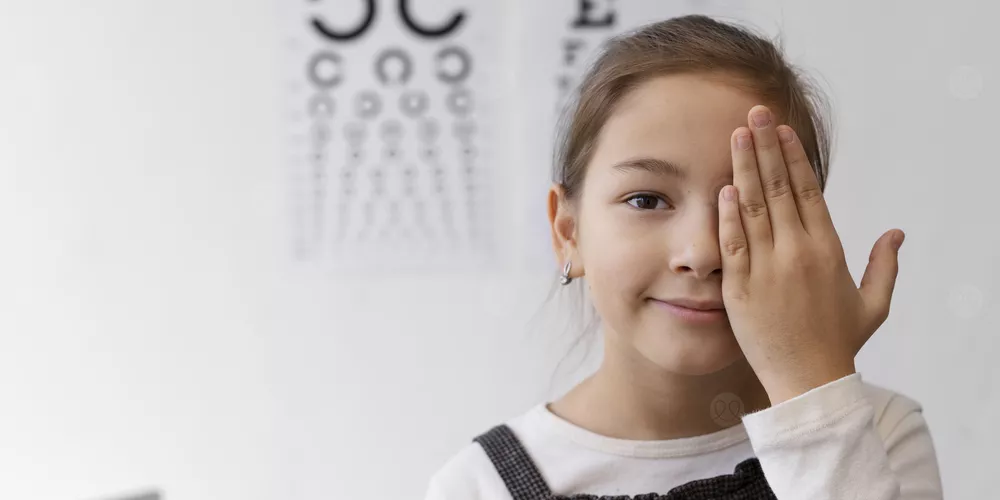
To keep your eyes healthy when you have myopia (short-sightedness), especially if you wear prescription glasses every day, it’s important to have regular check‑ups with an ophthalmologist or optometrist. Routine eye exams ensure your glasses prescription is accurate and updated when needed, as neglecting follow‑up visits can lead to eye strain and frequent headaches.
When using digital screens, follow the 20-20-20 rule: every 20 minutes, look at something 20 feet away (about 6 meters) for 20 seconds. This simple technique helps reduce digital eye strain commonly experienced by people with myopia who spend long hours working on computers or using smartphones.
Maintain a proper viewing distance from screens and reading material—ideally 30–40 cm—avoiding reading in dim light or while lying down for prolonged periods. Poor lighting and incorrect posture increase eye fatigue and may worsen blurry vision in individuals with myopia.
Choose high‑quality lenses for your glasses, preferably with anti‑reflective and blue‑light‑filter coatings when possible. These coatings reduce glare and can improve visual comfort and clarity, especially during night driving or extended use of electronic devices.
Support your eye health with a balanced lifestyle: eat foods rich in antioxidants and omega‑3 fatty acids, such as fish, leafy green vegetables, and carrots; stay well hydrated; and avoid smoking, as it negatively affects the tiny blood vessels that nourish the eye.
It’s also beneficial to spend regular time outdoors in natural daylight. Research suggests that moderate exposure to outdoor light may help slow the progression of myopia in children and adolescents.
Don’t forget to clean your glasses lenses daily using proper lens cleaners and a dedicated microfiber cloth, and store them in a protective case. Good lens hygiene helps maintain clear vision and reduces the risk of eye irritation from dirt and microbes.
By following these simple measures, which are in line with eye‑care specialists’ recommendations, you can manage myopia safely and protect your eye health over the long term.
How does the Batal Vision team help you choose the ideal lenses for myopia?
At Batal Vision, choosing the right lenses for myopia starts with a comprehensive eye exam to determine your degree of nearsightedness, measure your interpupillary distance, and understand your lifestyle and daily visual demands. This ensures your eyeglass prescription is both accurate and comfortable.
The team relies on state-of-the-art diagnostic equipment to precisely determine the appropriate minus lens power for correcting myopia, taking into account lens thickness, weight, and the shape of the frame so you enjoy clear vision with an aesthetically pleasing look.
Our optometrists explain the differences between various lens options for myopia, such as high-index (thin and light) lenses, anti-reflective lenses, and lenses with UV and blue-light protection coatings. They then recommend the most suitable choice for your eyes based on your age, degree of myopia, and the nature of your work or studies.
With this evidence-based, clinically driven approach, the Batal Vision team provides highly accurate myopia correction with glasses, minimizing visual distortion and eye strain, and enhancing your vision quality both day and night—so you ultimately get lenses that are perfectly tailored to your visual and health needs