

Blog
The dangers of sleeping in contact lenses: What should you know?

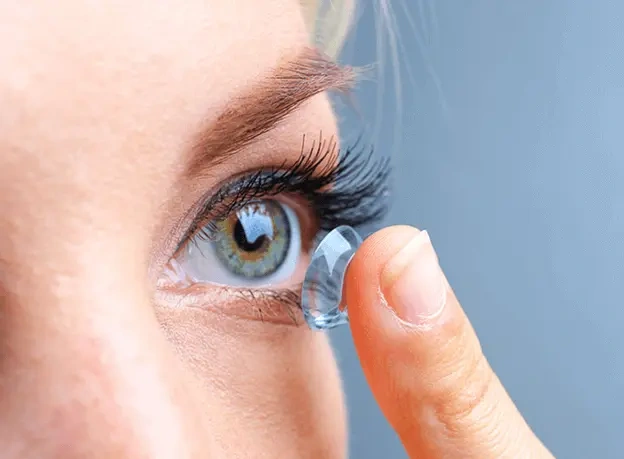
Why Is Sleeping with Contact Lenses Dangerous for Your Eyes?
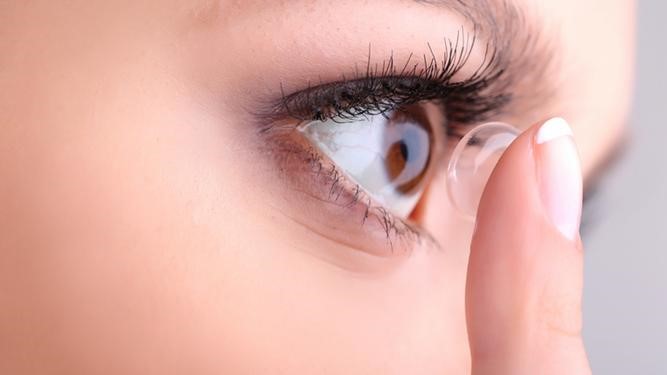
Sleeping with contact lenses poses a direct risk to eye health because it reduces the amount of oxygen reaching the cornea. This can lead to dryness and irritation of the ocular surface and significantly increases the likelihood of serious eye infections.
When the eyes are closed during sleep while lenses are still in place, tears and bacteria become trapped beneath the lens. This creates an ideal environment for microorganisms to multiply and raises the risk of developing corneal ulcers and infectious keratitis (bacterial or fungal), which are among the most serious complications of sleeping in contacts and can, in severe cases, threaten vision or lead to permanent vision loss.
In addition, friction between the lens and the corneal surface during sleep may cause micro‑abrasions that are not always felt immediately, but they make it easier for pathogens to penetrate into the deeper tissues of the eye.
For these reasons, ophthalmologists strongly advise against sleeping in contact lenses—even those marketed for extended or overnight wear—and recommend removing and properly cleaning lenses before going to bed to reduce the risks of infection, allergic reactions, dry eye, and to protect long‑term visual health.
Main Eye Health Risks of Sleeping with Contact Lenses
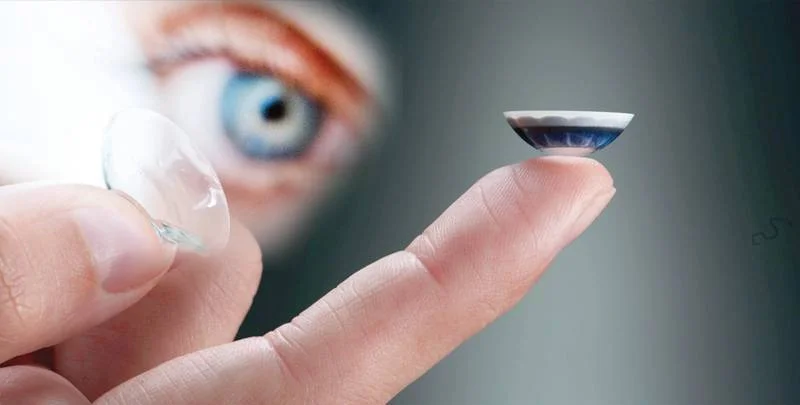
Sleeping in contact lenses is considered one of the most harmful habits for eye health, as it greatly increases the risk of bacterial and viral infections, such as acute bacterial keratitis, which can lead to corneal ulcers and even vision loss in severe cases.
It also reduces the amount of oxygen reaching the cornea, causing dry eyes, marked redness, and a burning or irritating sensation upon waking.
If the habit of sleeping with lenses continues, it may result in corneal thinning and swelling (corneal edema), or the growth of new blood vessels into the cornea (corneal neovascularization due to ischemia). These are serious complications that can compromise visual clarity in the long term.
In addition, the lens may adhere to the corneal surface during sleep, making it more difficult to remove and increasing the risk of micro‑abrasions or scratches to the eye’s surface.
All these health risks associated with sleeping in contact lenses underline the importance of following your ophthalmologist’s instructions and always removing lenses before sleep as a key step to protecting eye health and minimizing contact lens–related complications.
How Do Contact Lenses Increase the Risk of Eye Infections?
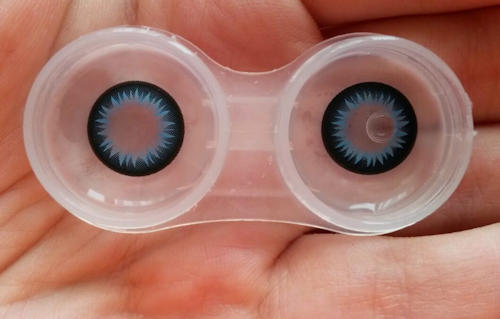
Sleeping with contact lenses reduces the amount of oxygen reaching the cornea, which weakens the eye’s surface defenses and makes it more vulnerable to bacterial, viral, and fungal growth.
The lens itself also acts as a barrier, trapping tears and microorganisms between the lens and the eye, significantly increasing the risk of keratitis (corneal inflammation) and conjunctivitis.
In addition, we blink far less while sleeping, so the protective tear film is not renewed as it should be. This allows deposits and bacteria to accumulate on the lens surface — especially when daily lenses are reused or monthly lenses are not properly cleaned and disinfected.
All of these factors make sleeping with contact lenses one of the major risk factors for serious eye infections that can impair vision and may require urgent treatment with antibiotics or, in severe cases, even surgical intervention.
For this reason, it is always recommended to remove contact lenses before sleep and strictly follow your eye care professional’s instructions to protect your eye health and reduce lens‑related infection risks.
Are there any contact lenses that are safe to sleep in?
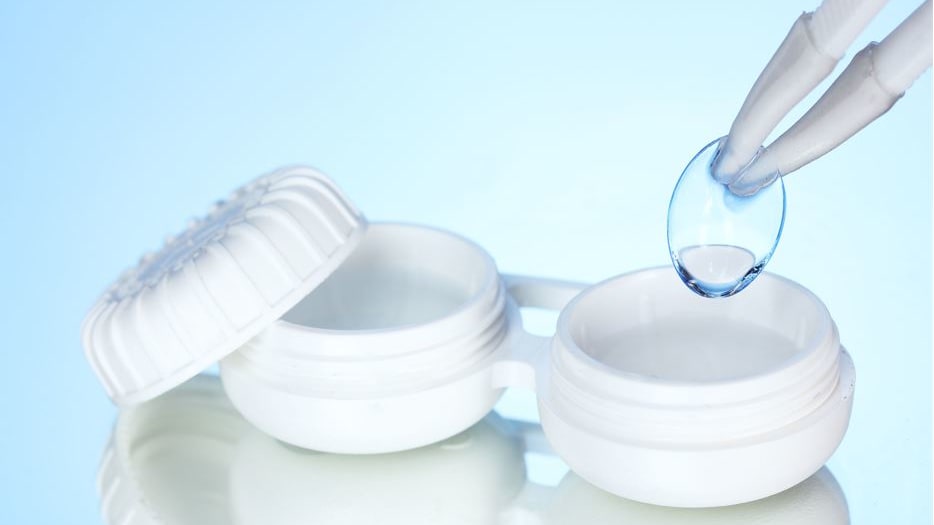
In general, sleeping with contact lenses—of any type—is not recommended. However, there are specific prescription lenses known as “extended-wear lenses” or “overnight lenses.” These are made from materials with high oxygen permeability, allowing more oxygen to reach the cornea, and may be approved by an ophthalmologist for overnight use in very specific situations and under strict medical supervision.
Even these lenses, which are sometimes marketed as safe for sleeping, are still associated with a higher risk of corneal infections, dry eye, and eye redness compared with removing lenses before sleep.
So if your question is whether there are contact lenses that are truly safe to sleep in, the evidence-based answer is that complete safety is not guaranteed. The best way to protect your eyes and reduce contact lens–related complications is to remove your lenses before going to bed and consult your eye doctor before considering any type of overnight or extended-wear contact lenses.
Tips to Reduce Risks and Protect Your Eyes (Aligned with Search Intent)
To minimize the risks associated with sleeping in contact lenses and to protect your eyes, make it a strict rule never to sleep while wearing your lenses, even if they are labeled as “extended wear.” Sleeping in lenses significantly increases the risk of keratitis (corneal infection) and reduces the amount of oxygen reaching the cornea.
Clean your contact lenses every day using an appropriate sterile contact lens solution. Avoid using tap water or saliva under any circumstances, as both can introduce bacteria and other pathogens directly into the eye.
Replace your lenses according to the schedule recommended by your ophthalmologist or the manufacturer. Do not extend their use beyond the advised period, as overworn lenses can become stiff, accumulate deposits, and increase the likelihood of serious complications.
Make sure to regularly clean your lens case and replace it at least every three months. Change the storage solution daily and never “top off” or reuse old solution.
If you experience dryness, burning, redness, blurred vision, or pain while wearing your lenses or after sleeping in them, remove the lenses immediately and consult an ophthalmologist. Early evaluation is essential to prevent progression to corneal inflammation or corneal ulcer.
Choose the type of contact lenses best suited to your eyes in consultation with your eye doctor, especially if you have allergies or dry eye disease. Daily disposable lenses are often preferable, as single-use wear helps prevent deposit buildup and lowers the risk of infection.
Finally, give your eyes regular breaks from contact lenses and wear your prescription glasses whenever possible. The fewer hours you spend in contacts, the lower your risk of falling asleep in them and the better you can preserve your long-term eye health.
When should you see a doctor if you accidentally sleep with contact lenses in?
If you accidentally sleep with your contact lenses in, you should see an eye doctor (ophthalmologist) immediately if you notice any unusual symptoms such as marked eye redness, persistent pain or burning, blurred or hazy vision, pronounced light sensitivity, excessive tearing, or abnormal eye discharge. These signs may indicate a serious infection or a corneal ulcer related to sleeping in contact lenses.
Even if you remove the lenses upon waking and only feel mild dryness or slight discomfort, it’s advisable to monitor your symptoms over the next several hours. If the discomfort does not improve, or if irritation worsens, schedule an appointment with an eye specialist for proper evaluation.
Ignoring symptoms after sleeping in contact lenses can lead to serious complications and permanent corneal damage. Avoid using over-the-counter eye drops randomly without medical advice, and rely on early professional assessment to protect your eyes and preserve your vision.