

Blog
Plastic or metal glasses: Which is better for you?


What’s the Difference Between Plastic and Metal Frames?

The main differences between plastic and metal eyeglass frames lie in their weight, comfort, risk of skin irritation, and how well they adapt to the shape of your face. All of these factors play a role when you’re deciding: which is better, plastic or metal?
Plastic frames are generally lighter, sit securely on the nose, and come in a wide range of modern colors and styles suitable for both children and adults. They’re also a good option for people with metal allergies, as they typically don’t contain nickel, which is a common cause of contact dermatitis around the nose and ears.
Metal frames, on the other hand, are known for their durability and can be adjusted very precisely to fit the contours of your face. This provides stable, comfortable vision—especially important for people who wear prescription glasses for long hours every day. Their slim profile also works well for smaller faces or for those who prefer a more refined, discreet look.
In general, individuals with sensitive skin, children, and athletes are often advised to choose lightweight, impact‑resistant plastic frames. Those who need very precise fitting, or want more formal, long‑lasting frames, may find metal frames more suitable. In all cases, the best decision is made in consultation with an optometrist or optical specialist, who can recommend the frame type that best matches your visual needs and face shape.
Advantages of Plastic Glasses and Why Some People Prefer Them
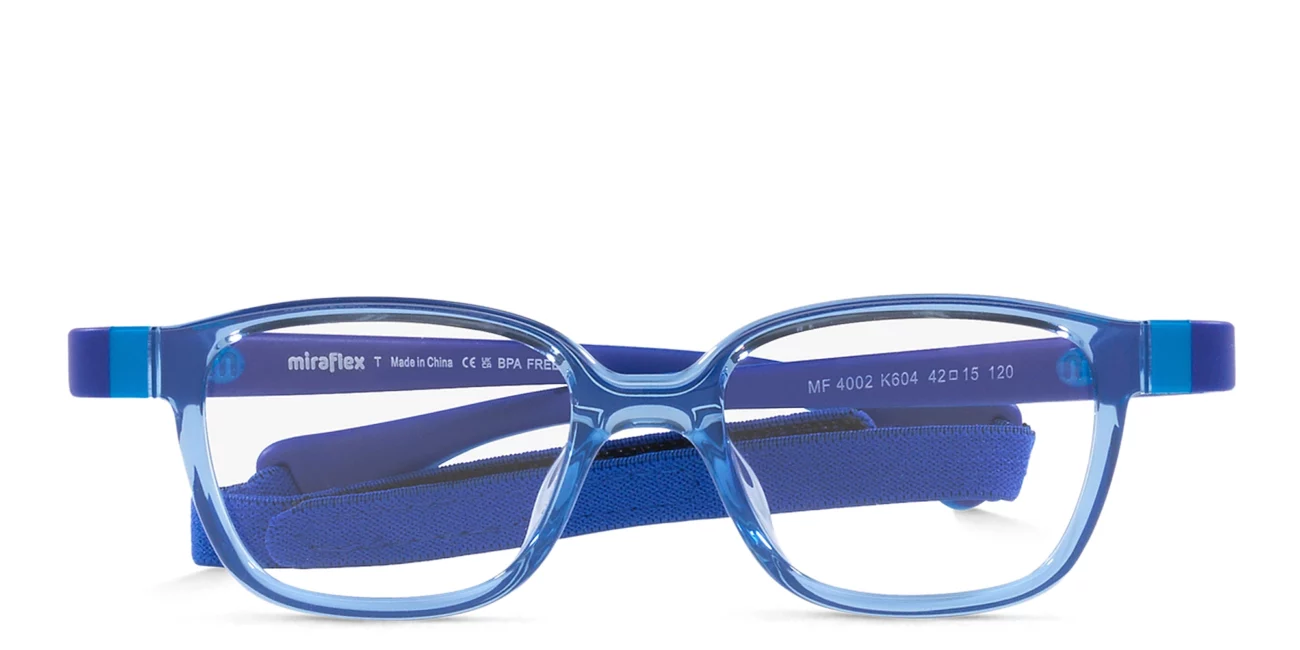
Plastic eyeglasses are known for being lightweight and comfortable to wear for long periods, which makes them a suitable option for people who experience sensitivity or pain behind the ears or on the nasal bridge with metal frames.
Plastic frames are also less likely to cause skin irritation or allergic reactions, as they typically do not contain metals such as nickel, which can trigger allergies in some individuals.
In addition, plastic glasses offer a wide variety of colors, shapes, and designs, allowing for greater freedom in choosing a frame that suits facial features and personal style—especially for those who value aesthetics alongside visual correction.
Plastic frames are also considered safer for children and for people with an active lifestyle, as they are generally lighter and less sharp if they break compared to metal frames.
When comparing plastic and metal glasses, many people prefer plastic because it combines comfort, a modern look, and reasonable cost, while still ensuring stable lenses and highly effective visual correction from a clinical standpoint.
Advantages of Metal Eyeglass Frames and When They’re the Better Choice (for Search Intent)
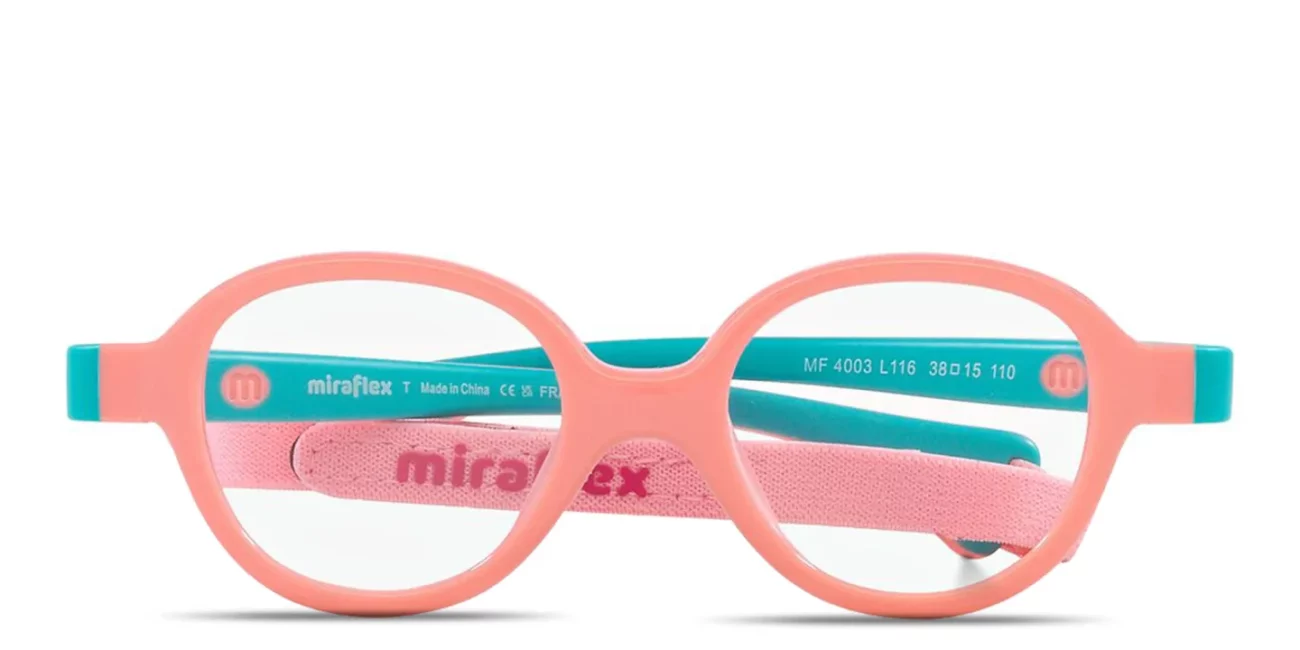
Metal eyeglass frames are an excellent option for those who want a refined look and long-lasting durability, without compromising on comfort or eye health.
Compared with plastic frames, metal frames are generally more robust and resistant to breakage, making them better suited to everyday wear—especially for people who keep their glasses on for extended periods.
Metal frames are also typically slimmer and lighter, giving them a more professional appearance that fits well in formal and work environments. In addition, they can be adjusted accurately at the nose pads and temples, which improves stability on the face and helps reduce pressure points and headaches related to poorly fitted frames.
They’re often recommended for people who have high‑prescription lenses, as the thin metal rim helps distribute the lens weight more evenly while maintaining a balanced, aesthetically pleasing look for the face.
Metal eyeglasses are also a strong choice for individuals with sensitivities to certain plastics or those who sweat excessively—especially when opting for hypoallergenic materials such as titanium or nickel‑free frames, which can lower the risk of skin irritation and contact dermatitis.
Therefore, when comparing plastic vs. metal frames and searching for “which is better: plastic or metal glasses?”, metal eyeglass frames are usually the optimal choice for those who prioritize durability, a classic elegant style, and precise adjustability—particularly in prescription glasses intended for daily use at work, study, or general day‑to‑day activities.
Durability vs. Weight: Which Is Lighter and Longer-Lasting?

When comparing plastic and metal in terms of durability relative to weight, high‑grade medical plastics stand out for being significantly lighter while still offering good resistance to wear, corrosion, and rust. This makes them a preferred option in many healthcare and everyday applications.
By contrast, metals such as stainless steel and aluminum provide superior mechanical strength and better resistance to impact, heat, and pressure, which generally gives them a longer service life in harsh environments or under frequent, intensive use.
In medical settings, plastics are often chosen when low weight, ease of sterilization, and cost‑efficient manufacturing are key considerations. Metals, on the other hand, are typically favored for surgical instruments and devices that demand high precision, dimensional stability, and long‑term reliability.
Ultimately, deciding whether plastic or metal is “better” in terms of durability and weight depends on the intended use: plastic is lighter and easier to handle, while metal is relatively heavier but usually more durable and resilient under demanding conditions.
Cost: Does the Material Affect the Price?
When comparing plastic and metal in terms of cost, the manufacturing material has a direct impact on the final price of the product—whether it’s a home medical device, a medical device component, or even everyday items used at home or in the workplace.
Generally, plastic products are less expensive because the raw materials cost less and manufacturing processes are simpler and faster. This makes plastic an economical choice for items intended for everyday use or short-term applications.
Metal, on the other hand, is typically more costly due to its durability, longer service life, and superior ability to withstand mechanical stress, high temperatures, and repeated sterilization—factors that are particularly important in critical medical products or instruments that must offer long-term safety and reliability.
If you look at the question “Which is better, plastic or metal?” purely from a price standpoint, plastic may seem like the cheaper option. However, when you factor in lifespan, safety, and resistance to harsh usage conditions, metal can ultimately be more cost-effective over the long term despite its higher upfront cost.
So yes, the type of material clearly affects the price. Your choice between plastic and metal should balance your budget with the required performance and quality of use, especially when the product is related to health or involves frequent medical use.
How to Choose Between Plastic and Metal Based on Your Lifestyle
When deciding between plastic and metal, start by considering your daily habits and overall health environment.
If you’re frequently on the go or need lightweight items such as water bottles or food containers, high‑quality BPA‑free plastic can be a practical option. Just make sure not to expose it to high temperatures or use it in the microwave, to reduce the risk of chemical leaching.
If your priority is sustainability, reducing waste, and owning products that are more durable and heat‑resistant—such as cookware or insulated water bottles—then metals like food‑grade stainless steel or aluminum are generally safer and longer‑lasting choices.
People with allergies or chronic medical conditions are often advised to opt for high‑quality medical‑grade metals whenever possible, to minimize exposure to potentially irritating substances, while consulting their physician when needed.
Ultimately, choosing between plastic and metal comes down to balancing three key factors: your health and safety, environmental impact, and your daily routines for using, cleaning, and storing these products.