
Blog
Eyeglass Frame Materials Guide: Types, Benefits, and How to Choose the Right Material


Table of Contents
Why Does Frame Material Matter When Choosing Glasses?
Choosing the right frame material is just as important as selecting the correct lens size or prescription strength, because it directly affects comfort, durability, appearance, and even the health of the skin around your eyes.
The quality and type of the frame—whether it’s hypoallergenic metal, high‑grade plastic (acetate), or lightweight titanium—determine how well your glasses tolerate daily wear, how resistant they are to bending and breaking, and how much they weigh on your nose and ears. All of this plays a major role in long-term comfort, especially for people who wear prescription glasses for many hours a day.
Selecting a frame material that’s suitable for sensitive skin helps reduce irritation and allergic reactions, while a well‑engineered, high‑quality frame keeps the glasses stable and prevents slipping. This stability improves visual performance during activities such as driving, working on a computer, or playing sports.
Understanding the differences between frame materials enables you to choose prescription or sunglasses that combine style, all‑day comfort, and long‑term ocular and skin safety.
Titanium Glasses
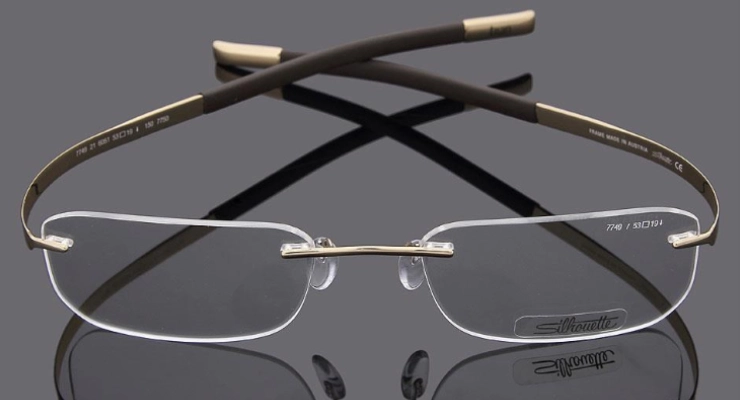
Titanium eyeglass frames are among the best options for prescription eyewear if you’re looking for an ideal balance of durability, light weight, and skin safety.
Titanium is an extremely strong yet very light metal, which reduces the pressure of the frame on the nose and ears and provides a high level of comfort during prolonged wear—especially for people who suffer from headaches or pain caused by the weight of conventional glasses.
Titanium frames are also resistant to rust and corrosion, making them suitable for individuals who are frequently exposed to sweat or humidity. They are considered a safer option for people with sensitive skin or contact allergies, as they are often free of nickel, a common trigger of allergic contact dermatitis.
Thanks to their modern designs and high‑quality materials, titanium frames are a long-term investment in prescription eyewear that can last for years while maintaining lens stability, frame shape, and a refined, elegant appearance.
Advantages of Titanium Glasses
Titanium glasses are considered among the best options when it comes to modern eyewear frame materials, especially for those looking for a well‑balanced combination of durability, light weight, and skin safety.
Titanium frames are noticeably lighter than most other metal frames, which reduces pressure on the nose and ears and provides a high level of comfort for people who wear their glasses for long hours.
Titanium glasses are also highly resistant to bending and breakage, making them a practical choice for everyday use and for people who rely on their glasses at work, during studying, or in outdoor activities.
Another key advantage is that titanium is resistant to corrosion and rust, helping the frame maintain its color and shine for longer periods, even with exposure to sweat and humidity.
In addition, titanium glasses are often recommended for people with sensitive skin, as most high‑quality titanium frames are hypoallergenic and less likely to cause skin irritation, redness, or contact dermatitis.
All these characteristics make titanium frames one of the best eyewear materials available on the market, offering an excellent balance between health considerations and aesthetic appeal.
Who Are Titanium Glasses Suitable For?
Titanium glasses are particularly suitable for people who wear their glasses for extended hours every day, such as students, office workers, and anyone who spends long periods in front of screens, as the lightweight frame helps reduce facial fatigue and pressure marks.
They are also an ideal option for individuals who suffer from skin allergies or local irritation caused by conventional metal frames, since titanium is generally hypoallergenic and safer for prolonged skin contact.
Titanium frames are a good fit as well for people who need robust, long‑lasting eyewear, such as physicians, athletes, and those with physically active lifestyles, because titanium tolerates impact and flexing better than many other materials.
Moreover, titanium glasses can be a cost‑effective choice in the long term for anyone who prefers to invest once in a high‑quality frame that can last for years without the need for frequent replacement.
So, if you are comparing different eyewear materials and looking for frames that combine comfort, light weight, durability, and skin safety, titanium glasses stand out as one of the best options available in the world of eyewear frames.
Plastic Glasses Frames
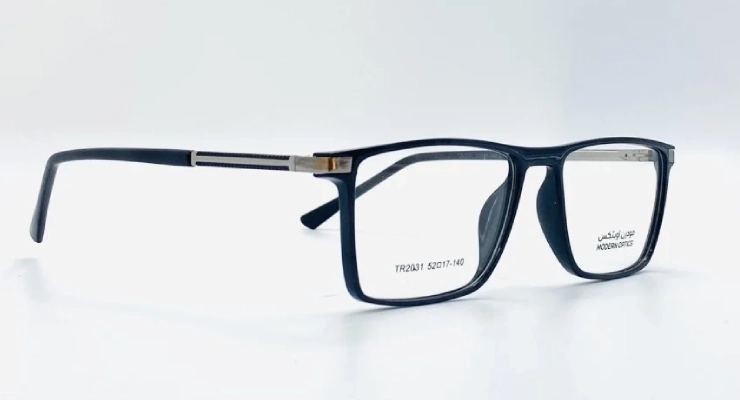
Plastic eyeglass frames are among the most widely used frame types thanks to their light weight and high flexibility, making them a comfortable option for daily wear and for people who use prescription glasses for long hours.
They are typically manufactured from materials such as acetate or polycarbonate, both of which are medically safe and allow for modern designs that can be tailored to suit different face shapes.
Plastic frames help distribute the weight of the lenses more evenly across the nose and ears, which can reduce pressure and headaches associated with poor weight distribution.
They also offer a wide variety of colors and sizes, making them suitable for adults and children alike, particularly for individuals with metal allergies or those who experience skin irritation from metal frames.
Nonetheless, it is advisable to choose plastic glasses from reputable brands and to have the fit adjusted precisely by an optometrist or optical specialist to ensure a secure fit on the face, clear vision, and increased durability of the prescription frame.
Advantages of Plastic Eyeglass Frames
Plastic eyeglass frames are among the most widely used frame types, thanks to their balance of light weight, durability, and attractive design.
They sit lightly on the nose and ears, reducing pressure from the glasses and providing greater comfort during prolonged wear—especially for people who experience headaches or pain from the pressure of metal frames.
These frames are typically made from robust materials such as acetate or polycarbonate, which offer good impact resistance and stand up well to daily use.
Aesthetically, plastic materials allow for a wide variety of modern colors and designs, making them an excellent choice for people who want prescription glasses that reflect their personality and complement their everyday style.
Plastic frames are also often more affordable than some other materials such as titanium, which makes them a cost‑effective option without compromising on frame quality or the primary medical function of eyeglasses in vision correction.
This combination of comfort, light weight, and design versatility makes plastic eyeglass frames one of the most popular options when choosing frame materials.
Who Are Plastic Eyeglass Frames Suitable For?
Plastic eyeglass frames are suitable for a broad range of users, particularly those looking for comfortable, lightweight glasses that adapt easily to different face shapes.
They are ideal for children and students because they are light and available in many colors, which encourages consistent wear of prescription glasses and supports regular vision correction.
These frames are also well suited for people who wear reading glasses or computer glasses for extended periods—such as office workers and students—as the lightweight material helps reduce the feeling of strain around the eyes and nose.
Plastic frames can be an excellent option for individuals with metal allergies or those who experience skin irritation from metal frames, since plastic materials provide a more comfortable alternative with less direct contact with the skin.
In addition, they appeal to fashion‑conscious users who like to change the style of their glasses from time to time without incurring high costs, as plastic frames are widely available in various shapes and colors suitable for both prescription and sunglasses.
Taken together, plastic eyeglass frames offer a practical and aesthetically pleasing choice among the different frame materials available on the market.
Wooden Frames
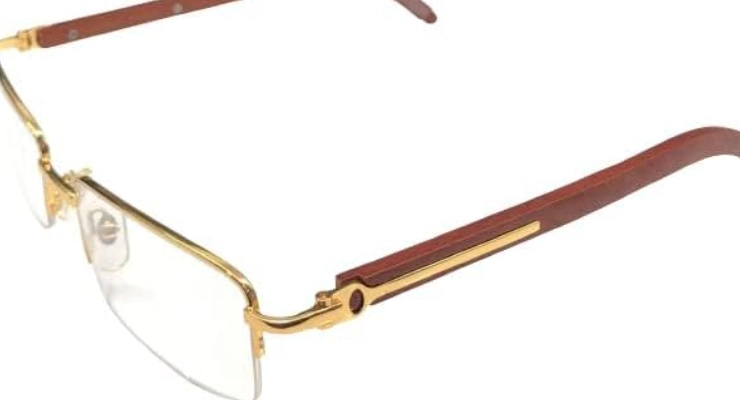
Wooden eyeglass frames are a stylish, natural option for anyone looking for unique, sustainable frame materials. They are typically crafted from high‑quality woods such as maple, bamboo, or walnut, giving them a warm, distinctive look that works well for both prescription glasses and sunglasses.
Wooden frames are generally lightweight and comfortable against the skin, and they contain fewer metal and plastic components that may trigger allergies in some people, making them a good choice for those with sensitive skin.
However, they do require special care to protect them from moisture and excessive heat, since wood is an organic material that can change over time if not properly maintained.
Aesthetically, wooden frames are among the most distinctive frame materials: each pair has its own subtle grain pattern and shade due to the natural characteristics of the wood, giving the wearer a unique look and a sense of individuality.
Choosing high‑quality wooden frames from reputable brands and consulting an optometrist or eye‑care professional helps ensure comfort and durability, while also protecting eye health and maintaining the optical quality of both prescription and sunglass lenses.
Advantages of Wooden Eyeglasses
Wooden eyeglass frames are among the most distinctive options for anyone who appreciates a natural yet refined look.
They are typically crafted from high‑quality woods such as maple, bamboo, or walnut, giving them a unique appearance and a warm feel that set them apart from conventional metal or plastic frames.
One of the key advantages of wooden frames is their light weight, which reduces pressure on the nose and ears. This makes them comfortable to wear for long periods, especially for people with myopia (short‑sightedness) or hyperopia (long‑sightedness) who rely on their glasses throughout the day.
A wide range of lenses can be fitted into wooden frames, such as blue‑light blocking lenses, computer glasses, or progressive multifocal lenses, making them a practical and eye‑healthy option at the same time.
In addition, wooden eyeglasses are often seen as an eco‑friendly choice. Many users prefer this type of material because it relies largely on natural wood processed in sustainable ways, while reducing the use of plastics.
The wooden surface can be coated or treated with special protective layers to resist moisture and sweat, which increases the durability of the frame and helps preserve its color and sheen with daily use.
Each wooden frame generally has its own natural grain pattern, giving every pair of glasses a unique character and individual style—something that strongly appeals to fashion‑conscious users who like to stand out in the world of eyewear.
Who Are Wooden Eyeglasses Suitable For?
Wooden eyeglasses are ideal for people seeking a balance of comfort, style, and mindful choice of frame materials.
They are an excellent option for those with sensitive skin or contact dermatitis triggered by certain metals such as nickel, as high‑quality wooden frames—when carefully manufactured and free from allergenic components—can be gentler on the skin.
They are also well‑suited to individuals who wear prescription glasses or computer glasses for extended hours, since the lightness of wooden frames can help reduce headaches caused by heavy eyewear and minimize pressure marks on the bridge of the nose.
Environmentally conscious users who prefer natural, sustainable materials in their prescription or sunglasses often gravitate toward wooden frames, especially with the growing trend toward eco‑friendly eyewear design.
Wooden eyeglasses complement both classic and smart‑casual looks, and can be easily matched with everyday outfits or workwear, offering an understated yet sophisticated appearance.
They may be less suitable for people who are frequently exposed to water or very high humidity—such as swimmers or workers in damp environments—unless they opt for premium wooden frames that have been specially treated for enhanced moisture resistance.
Overall, wooden eyeglasses are a great choice for anyone wishing to try a different frame material that combines comfort, style, and eye protection, thanks to the ability to pair them with a wide variety of prescription and protective lenses.
Tips from Batal Vision Experts for Choosing the Right Frame Material
When selecting the material for your eyeglass frames, Batal Vision specialists recommend focusing on three key factors: comfort, durability, and ocular & skin safety.
Choose a lightweight frame material to reduce pressure on the nose and ears, especially if you wear your glasses for extended periods at work or while studying.
If you have a history of sensitivity to metals or plastics, inform your optometrist at Batal Vision and ask them to recommend hypoallergenic materials that are suitable for your skin, such as titanium or certain high‑quality medical‑grade plastics.
For children’s prescription glasses or for highly active daily use, opt for a frame material that is both strong and flexible, so it can withstand drops and bending without breaking easily.
Make sure the frame material is compatible with your prescription lenses. Some lightweight or high‑index lenses require specific frame designs and materials that provide proper support and maintain accurate alignment in front of the eyes, which is crucial for optimal visual quality.
Finally, don’t underestimate the importance of aesthetics. Selecting a frame material and finish that complement your skin tone and face shape will enhance your confidence, while still ensuring eye health and all‑day comfort when wearing your glasses.