

Blog
Eyeglass Frame Color Guide: How to Choose the Perfect Color for Your Glasses


Table of Contents
Why Does Frame Color Matter When Choosing Glasses?
The color of your eyeglass frame plays a key role in both your appearance and your visual comfort. It’s not just a fashion detail; it also affects how others perceive you and how confident and at ease you feel wearing your glasses every day.
Choosing the right frame color helps highlight your eye color and facial features, so the glasses look harmonious with your skin tone and hair color instead of appearing out of place or distracting.
From a visual comfort perspective, people with light sensitivity or those who wear glasses for long hours are generally better off with soft, neutral frame colors. Very bright or shiny colors can reflect light and draw excessive attention, which may be uncomfortable in daily use.
Frame color can also influence your professional and social image. Classic shades like black, brown, and clear (transparent) often convey a formal, practical look, while bolder colors create a more modern style and express a distinctive personality.
When choosing the color of your frames, make sure it complements your skin tone, clothing style, work environment, and lifestyle. This way, you end up with glasses that are comfortable, stylish, and well-coordinated—enhancing your confidence and making them easy to wear all day long.
The impact of color on your overall look
The color of your eyeglass frames has a direct effect on your overall appearance. It can determine whether your face looks brighter or duller, more formal or more fashion‑forward, stricter or softer.
Frame colors interact with your skin tone, eye color, and hair color to either highlight your features or tone them down. That’s why optometrists and eye-care professionals often recommend choosing frame colors that complement your complexion rather than clash with it.
Warm shades such as brown, gold, and copper usually create a natural, soft impression that works well for everyday wear. In contrast, bold colors like red, navy, and black create a strong presence and draw attention to the eyes.
The color of your frames can also influence how you are perceived in professional and social settings. Soft, classic tones are commonly associated with a practical, formal look, while bright or translucent colors convey a more modern, youthful style.
For this reason, thinking carefully about frame color is an essential step in enhancing your overall appearance and finding the right balance between visual comfort and aesthetics in a way that suits your personality and lifestyle.
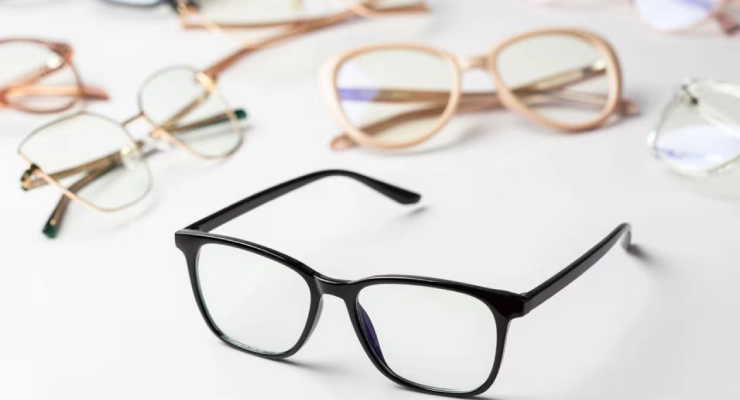
How do you choose your frame color based on your skin tone?
To pick the right eyeglass frame color for your skin tone, start by identifying your undertone: is it warm (golden, peachy, olive), cool (pink, rosy, bluish), or neutral?
The vein test on the inside of your wrist can help: greenish veins usually indicate a warm undertone, bluish or purplish veins point to a cool undertone, while a mix of both often means a neutral undertone.
For warm skin tones, frame colors like gold, brown, honey, caramel, and warm copper tend to blend harmoniously with the complexion. This gives the face a healthier, more radiant look and makes prescription lenses or computer-use lenses feel visually more comfortable.
For cool skin tones, silver, gray, blue, violet, and cool-toned copper frames are usually more flattering. They enhance facial contrast and make the whites of the eyes appear brighter—an important point for people who wear prescription glasses for long hours.
If you have a neutral skin tone, you can comfortably alternate between warm and cool colors. Natural, understated shades such as tortoiseshell, clear (transparent) frames, or nude tones are especially versatile. They adapt easily to subtle changes in your skin color across seasons or with makeup.
Remember, the medical benefit of choosing the right frame color is not limited to aesthetics. It also helps reduce visual fatigue and improves your acceptance of the glasses and your willingness to wear them consistently. This supports adherence to vision correction and helps protect eye health over the long term.
Choosing Your Eyeglass Frame Color to Match Your Personal Style
Picking the right frame color isn’t only about matching your skin tone or eye color; it’s also closely tied to your personal style and daily lifestyle. That’s why the color of your glasses can play a key role in boosting your confidence and how you present yourself to others.
If your style leans more toward classic and formal, subtle frame colors such as black, brown, or metallic tones are often ideal. They create a polished, professional look and are easy to coordinate with business or office wear.
If your style is more modern and bold, you can express your personality through vibrant colors like red or blue, or by choosing colored or transparent (clear) frames that add a distinctive touch to your everyday look.
Most importantly, you should feel comfortable and confident wearing your glasses. When you feel that the frame color truly suits you, it positively reflects on your self-confidence and ease in social situations. At the same time, it’s important to balance fashion with practicality, and choose a color that works with your daily routine—whether it’s for work, studying, or outdoor activities.
The impact of hair and eye color on frame selection
Hair and eye color play a key role in choosing the right eyeglass frame color, as harmonious tones help highlight facial features and create a brighter, more vibrant appearance.
People with light-colored eyes, such as blue or green, often look best in frames with cool or neutral shades like gray, navy, or silver. These colors enhance the clarity and brightness of the eye color without looking overly bold.
In contrast, those with dark eyes, such as brown or black, tend to suit warm or intense frame colors like brown, burgundy, or gold, which add depth and liveliness to the eyes.
As for hair color, blonde or light gray hair generally pairs well with soft, light-colored frames that don’t overpower facial features. Meanwhile, brown or black hair works particularly well with darker or richer frame tones, creating an attractive visual balance.
Understanding how hair and eye color influence frame color selection helps you choose prescription glasses or prescription sunglasses that not only provide visual comfort, but also enhance your overall appearance and complement your skin tone and facial features.

Matching the Frame Color to Your Eye Color
Choosing an eyeglass frame color that complements your eye color helps highlight the eyes and gives the face a more harmonious, balanced look.
If you have blue eyes, cooler frame shades like silver, grey, navy, or cool-toned transparent frames work particularly well. These tones intensify the depth of the blue and give your glasses a modern, stylish appearance.
People with green or hazel eyes often look striking in warm-toned frames such as olive, gold, copper, light brown, or burgundy. These colors bring out the golden and green flecks in the iris and make the eye color stand out more.
Brown or dark eyes are the most versatile: they pair well with almost any frame color, from black and navy to bold, vibrant shades like red or fuchsia. You can also opt for medium tones like caramel or chocolate brown if you want a look that is both professional and natural.
Coordinating your frame color with your eye color isn’t just about aesthetics; it also helps you choose a frame that feels psychologically comfortable, especially if you wear prescription glasses for long periods.
When buying new glasses, try on several frame colors under good lighting and compare how each one affects the brightness of your eyes. The key criterion is that your eye color should look clearer and more vivid—not dull or washed out.
Matching the Frame Color to Your Hair Color
Hair color is a major factor in selecting an appropriate frame color, as it shapes the overall impression of the face and determines whether the frame will look natural or overly stark.
For blonde or light hair, softer frame colors usually work best, such as beige, ivory, light gold, soft pink, or transparent frames. These shades create a gentle, balanced appearance and prevent harsh contrast between the hair and the frame.
Medium brown hair is very forgiving and works well with many frame colors, including warm brown, café tones, caramel, burgundy, and navy. This makes it easier to choose a frame color while still keeping a natural, well-coordinated look.
Black or very dark hair stands out beautifully with strong frame colors like black, navy, dark grey, or darker metallic frames. You can also add a trendy touch with bold colors such as red or purple, as long as they harmonize with your skin tone and eye color.
Those with fashion-colored hair—such as bright red, blue, or violet—can maintain visual balance by choosing neutral frame colors like black, clear/transparent, or metallic silver and gold. This prevents the eye from being pulled in too many directions by competing colors.
Harmonizing frame color with hair color isn’t only about following trends; it also helps your facial features appear more balanced and reduces any visual discomfort that can arise when frame colors clash or feel jarring to the eye.
Vision Hero’s Tips for Choosing the Right Frame Color
At Vision Hero, we believe that choosing your frame color isn’t just about style; it also affects visual comfort and long‑term eye health. That’s why we recommend selecting a frame shade that harmonizes with your skin tone, eye color, and hair color, while also matching your lifestyle and the environments where you spend most of your time.
If you have a warm skin tone with golden or bronze undertones, frame colors like brown, hazel, or gold will usually suit you best. Cooler, fair skin tones often look better with frames in gray, silver, or navy.
For people who are light‑sensitive or spend long hours in front of digital screens, darker frame colors such as black or dark brown can be more comfortable, as they help minimize reflections—especially when paired with anti‑reflective lenses.
Bolder colors—like red, blue, or two‑tone frames—can be a great way to express your personality, as long as they don’t distract you while driving or working.
Always try on frames both in natural daylight and under indoor lighting to see how the color behaves. Make sure the frame color doesn’t obscure the natural white of your eyes or distort your color perception. The ideal frame is the one that complements your facial features, provides comfortable vision, and enhances your overall appearance at the same time.