
Blog
Blue Light Blocking Glasses: Benefits, Eye Protection, and When You Need Them

What is blue light and how does it affect the eyes?
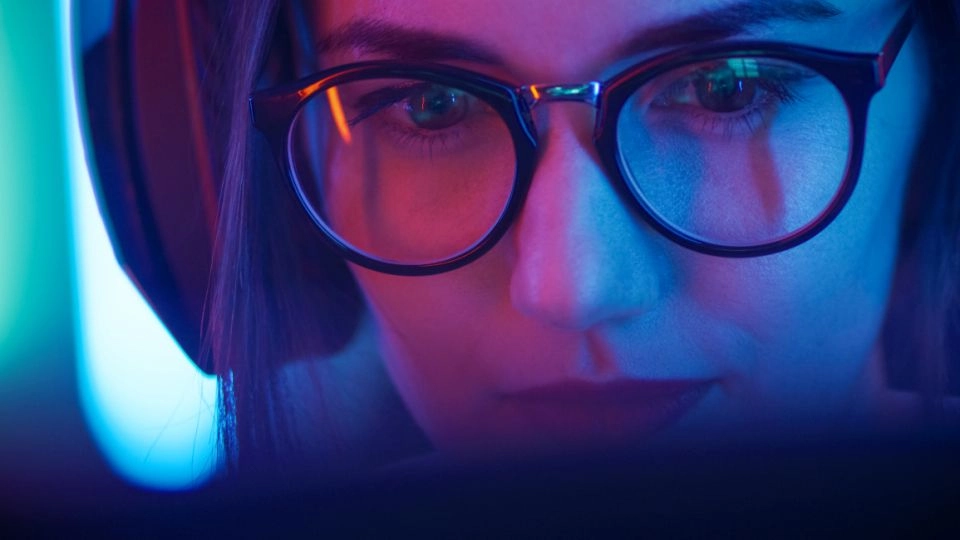
Blue light is a component of visible light characterized by high energy and short wavelength. It is emitted naturally by sunlight and also by artificial sources such as smartphone, computer, and TV screens, tablets, and LED lighting. This is the primary reason many people now turn to blue‑blocking lenses for protection.
Because of its relatively high energy, prolonged exposure to blue light can contribute to digital eye strain. Many individuals experience symptoms such as dry eyes, blurred vision, headaches, and difficulty concentrating after spending long hours in front of screens.
Some studies also suggest that excessive exposure to blue light—especially at night—may disrupt the body’s circadian rhythm and impair sleep quality by suppressing the secretion of the hormone melatonin.
Although a certain amount of blue light is beneficial for regulating alertness and mood, limiting excessive exposure is advisable. Using high‑quality blue‑blocking lenses, adjusting screen brightness, and taking regular breaks from digital devices are important measures to protect the eyes and maintain visual comfort over the long term.
Common Symptoms of Screen‑Related Eye Strain
One of the most common signs of screen‑induced eye strain is a burning or stinging sensation in the eyes, often accompanied by dryness or a frequent urge to blink or close the eyes.
Many people also experience recurrent headaches, particularly at the end of the day or after spending long hours working on a computer or smartphone.
You may also notice temporary blurred vision or difficulty focusing on small text, along with the need to move the screen closer or farther away to see more clearly.
Other symptoms of digital eye strain include pain in or around the eyes, eye redness, and either excessive tearing or, conversely, pronounced dryness.
Prolonged exposure to blue light emitted from screens without proper protection can also disrupt the sleep–wake cycle, leading to difficulty falling or staying asleep.
Blue‑blocking lenses (blue‑light blocking lenses) help reduce these symptoms by limiting the amount of potentially harmful blue light that reaches the eyes, which in turn alleviates eye strain and improves visual comfort during extended use of digital devices.
How Do Blue-Blocking Lenses Work?
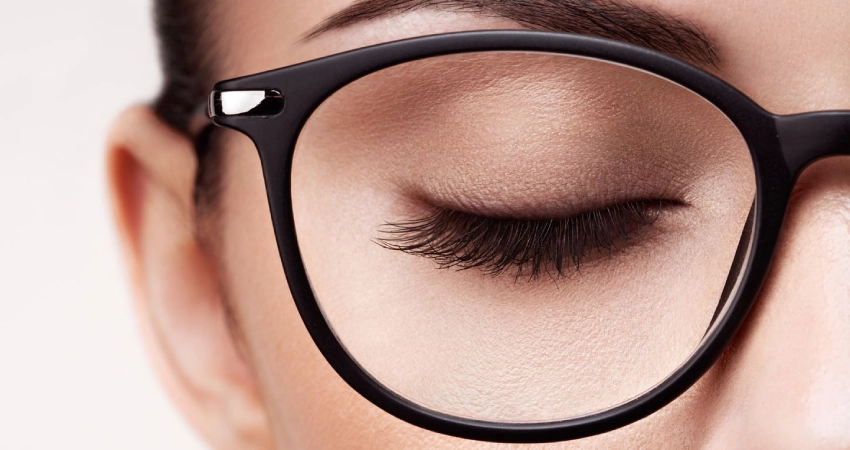
Blue-blocking lenses use a specialized coating or integrated material that selectively filters out a targeted portion of high-energy visible (HEV) blue light emitted by digital screens and LED lighting, while still allowing beneficial light to pass through for clear vision and proper regulation of the body’s circadian rhythm.
These lenses either absorb or reflect the harmful wavelengths of blue light before they reach the retina, which can help reduce symptoms of digital eye strain, such as eye fatigue, dryness, and headaches associated with prolonged use of smartphones, computers, and other digital devices.
The effectiveness of blue-blocking lenses depends on the percentage and range of blue light they filter. High-quality lenses are designed to strike a balance between protective filtering and accurate color perception, without compromising visual clarity or image quality.
Owing to this straightforward scientific principle, blue light–blocking lenses have become a popular choice for people who spend extended hours in front of screens and are looking to protect their eyes and enhance visual comfort throughout the day.
When do you actually need dedicated computer glasses?
If you spend more than two hours a day in front of a computer, smartphone, or tablet screen and experience frequent headaches, burning or redness in the eyes, or temporary blurred vision, then you may genuinely need prescription computer glasses with blue‑light–filtering (blue-block) lenses.
When you notice symptoms of digital eye strain—such as difficulty focusing on the screen for extended periods, or constantly needing to move the screen closer or farther away to see clearly—blue‑block lenses become an important option to help reduce the impact of harmful blue light.
Computer glasses are also recommended for people with dry eyes related to desk work, office employees exposed to strong artificial lighting, and gamers who spend long hours in front of screens. These lenses can enhance visual comfort, reduce glare, and support healthier sleep patterns by minimizing disruption of the circadian rhythm caused by excessive blue‑light exposure.
Which option fits your lifestyle best?
Choosing the right blue‑light‑blocking lenses depends on how many hours you spend on digital screens, the nature of your daily work, and the lighting conditions in your surroundings.
If you spend most of your time in front of a computer, smartphone, or tablet—especially in the evening—high‑protection blue‑light‑blocking lenses may be better for you. They can enhance visual comfort, reduce digital eye strain, and support better sleep quality.
If your screen use is moderate, or you move frequently between desk work and outdoor activities, clear blue‑light‑filtering lenses may be more suitable. These lenses reduce harmful blue light without noticeably altering color perception or affecting your everyday look.
It’s also important to consider whether you already wear prescription glasses. Blue‑light‑blocking technology can be incorporated into your prescription lenses to provide comprehensive protection against blue light emitted by screens and modern lighting.
In all cases, consulting an optometrist or eye care professional will help you select the type of blue‑light‑blocking lenses that best match your daily routine and work environment, ensuring maximum long‑term protection and visual comfort.
How does the Batal Vision team help you choose the ideal protective glasses?
The Batal Vision team starts by thoroughly assessing the nature of your work and how long you’re exposed to screens, in order to determine the most suitable blue‑light blocking lenses—whether your priority is protection from high‑energy blue light, reducing digital eye strain, or supporting better sleep quality.
Their specialists begin with a comprehensive eye examination and visual acuity testing, while reviewing your ocular medical history to ensure that the recommended protective glasses take into account any pre‑existing conditions, such as dry eye disease or headaches associated with digital device use.
Based on this assessment, the team recommends blue‑light blocking lenses with advanced protective coatings and carefully calibrated blue‑light filtration, tailored to your specific lifestyle needs, such as night shifts, intensive gaming, or long study hours in front of a computer.
The Batal Vision team also helps you choose a lightweight, comfortable frame that suits your face shape and provides a stable fit during prolonged wear. This enhances the effectiveness of blue‑light blocking lenses and makes it easier for you to use your glasses consistently every day.
By relying on up‑to‑date clinical standards and precise measurement technologies, Batal Vision ensures you receive blue‑light protective glasses that combine visual safety, long‑term comfort, and improved visual performance when using digital screens.
Frequently Asked Questions About Blue Light Blocking Glasses
What are blue light blocking glasses?
Blue light blocking glasses are designed with special lenses that filter high-energy blue light from screens and artificial lighting to reduce eye strain and improve visual comfort.
Do blue light blocking glasses really work?
Yes. High-quality lenses can reduce digital eye strain symptoms such as dryness, headaches, and difficulty focusing, especially during prolonged screen use.
Who needs blue light blocking glasses the most?
People who spend long hours in front of computers, smartphones, or gaming screens benefit the most from these lenses.
Can blue light affect sleep quality?
Excessive blue light exposure at night may disrupt melatonin production, which can affect sleep patterns and make it harder to fall asleep.
Are blue light glasses suitable with prescription lenses?
Yes. Blue-light filtering technology can be added to prescription lenses for combined vision correction and protection.
How many hours of screen use require computer glasses?
If you use screens more than two hours daily and experience eye strain, computer glasses with blue-light filtering may be helpful.