
Blog
Blue-Block Lenses and Smart Lens Types: Benefits, Uses, and How to Choose the Right Lenses

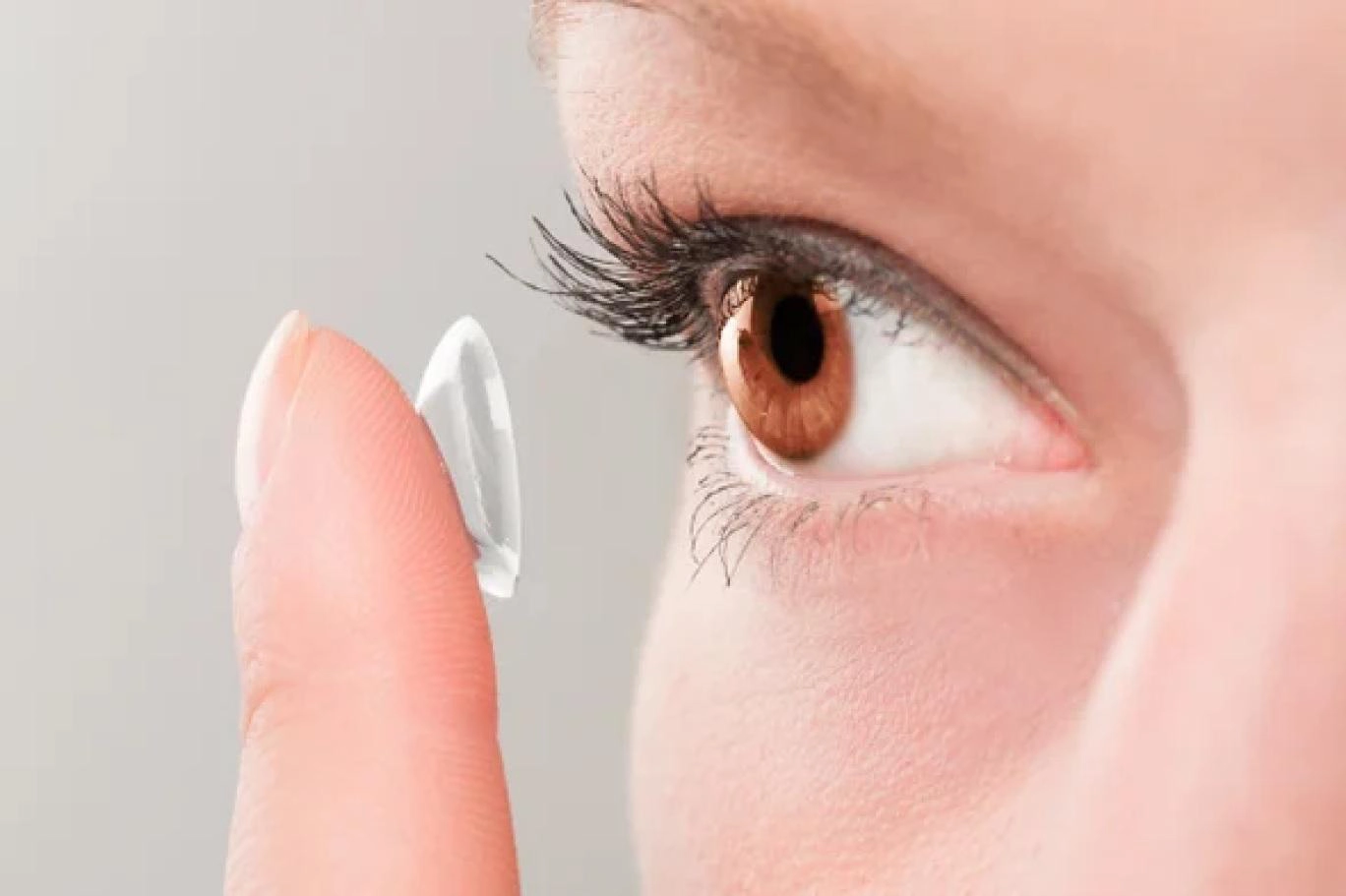
Table of Contents
What Are Blue-Block Lenses?
Blue-block lenses are optical lenses (prescription or non-prescription) coated with a special filter designed to block part of the high-energy blue light emitted by digital screens such as smartphones, computers, TVs, and LED lighting.
These lenses help reduce digital eye strain caused by prolonged screen use, and may alleviate symptoms like dry eyes, headaches, and blurred vision associated with chronic exposure to blue light.
Unlike conventional prescription lenses that focus solely on correcting refractive errors such as myopia (short-sightedness), hyperopia (long-sightedness), or astigmatism, blue-block lenses are primarily designed to provide visual protection and prevention—particularly for people who spend long hours in front of screens or work in highly digital environments.
They are available as clear lenses or with a slight reflective sheen, and can be added to prescription glasses or non-prescription computer glasses, making them a popular option for those seeking extra eye protection and better visual comfort throughout the day.
Blue-block lenses have become widely used in eye clinics and optical stores, and are often recommended as part of a healthy visual lifestyle. However, they are not a substitute for regular comprehensive eye examinations by an ophthalmologist or optometrist.
How can you protect your eyes from screens?
To protect your eyes from digital screens and reduce digital eye strain, it’s important to combine healthy visual habits with the right type of lenses, such as blue‑light–filtering lenses or prescription computer lenses specifically designed for screen use.
Following the 20-20-20 rule helps relax the eye muscles: every 20 minutes, look at something about 20 feet away (around 6 meters) for 20 seconds.
You should also adjust your screen’s brightness and contrast to match the ambient lighting in the room, avoid direct light glare reflecting off the screen, and keep a safe viewing distance of about 40–60 cm between your eyes and the screen.
Ophthalmologists also recommend frequent blinking or using lubricating eye drops (artificial tears) to relieve dryness caused by prolonged staring. Regular eye examinations are essential to determine the most suitable lenses for your needs, whether computer lenses or blue‑light–blocking lenses, to ensure clearer vision and greater comfort during long hours of work or study in front of screens.
When Are They Recommended?
Prescription lenses or advanced contact lenses are recommended when regular eyeglasses do not provide optimal vision or do not suit the patient’s lifestyle.
Daily or monthly soft contact lenses are often preferred for patients with myopia (nearsightedness), hyperopia (farsightedness), or astigmatism who want sharper vision and greater freedom of movement, especially during sports and daily activities.
Multifocal (progressive) contact lenses are recommended for people over 40 who develop presbyopia (age‑related difficulty seeing up close) and want a solution that allows them to see clearly at near and far distances without constantly switching between different pairs of glasses.
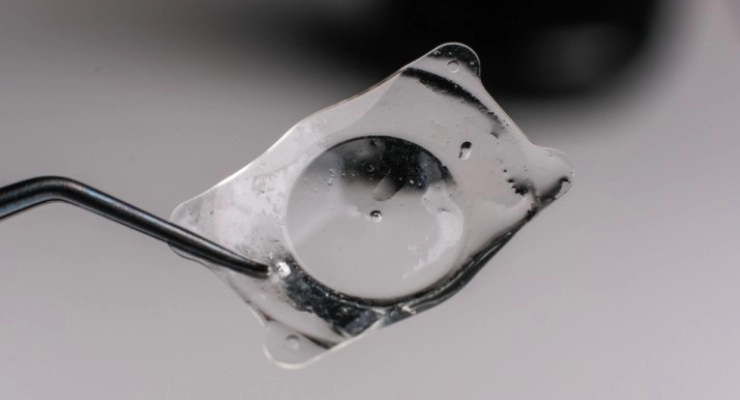
In cases of keratoconus or irregular corneal surfaces, an ophthalmologist may recommend rigid gas‑permeable (RGP) lenses or other specialty lenses to improve visual quality and reduce optical distortions.
The selection of the most suitable lens type depends on a comprehensive eye examination, accurate measurement of the refractive error, evaluation of the cornea, and assessment of the patient’s lifestyle. For this reason, it is essential to consult an ophthalmologist or optometrist to determine the best option among the different types of lenses available.
What Are Photochromic Lenses?
Photochromic lenses are smart prescription lenses that automatically adjust their tint based on light intensity. They remain clear or nearly clear indoors, then darken when exposed to sunlight.
These lenses contain UV‑sensitive compounds that react to ultraviolet radiation, providing the eyes with a high level of protection against harmful UV rays—without the need to switch between regular prescription glasses and sunglasses.
Photochromic lenses are a popular choice for people who want comfort and flexibility in their everyday eyewear, especially those who frequently move between indoor and outdoor environments.
They are available in a wide range of ophthalmic lens designs, including single‑vision lenses for near or distance vision and progressive (multifocal) lenses, making them suitable for different visual needs.
By reducing eye strain and glare, photochromic lenses offer a more practical solution compared with standard clear lenses or separate prescription sunglasses.
How light‑adaptive lenses work
Photochromic, or light‑adaptive, lenses operate via an intelligent mechanism that automatically responds to changes in light intensity. These lenses contain UV‑sensitive molecules that react to ultraviolet radiation and alter their chemical structure when exposed to sunlight. This reaction gradually darkens the lenses, helping protect the eyes and reduce glare.
When you move indoors or into lower‑light environments, these molecules gradually revert to their original state, causing the lenses to lighten and become nearly clear. This provides visual comfort without the need to switch between prescription glasses and sunglasses.
The speed and degree of tint change depend on the lens material and the quality of the photochromic technology used. This explains why different brands and types of lenses vary in how quickly they respond to light and how effectively they block ultraviolet rays.
Thanks to this mechanism, photochromic lenses are a practical option for people who want to combine prescription eyewear with sun protection in a single pair of glasses, while maintaining visual comfort and image clarity under varying lighting conditions.
Are Contact Lenses Suitable for Daily Use?
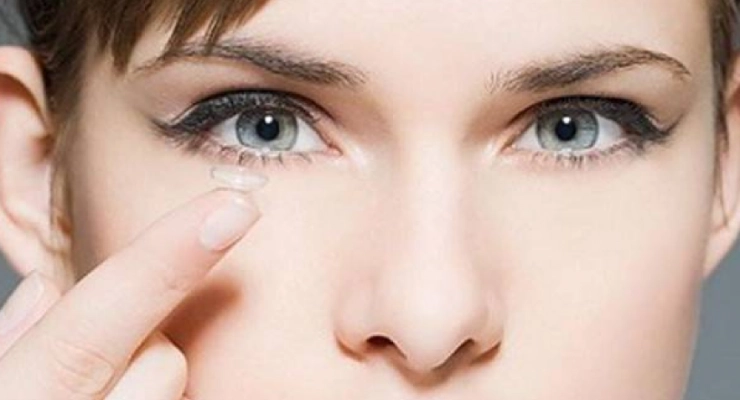
Contact lenses can be perfectly suitable for daily wear, provided the correct type is chosen based on your eye condition and your ophthalmologist’s recommendations, along with strict adherence to hygiene and lens care instructions.
Many people prefer single-use daily disposable lenses because they are generally safer and associated with a lower risk of infection. In contrast, monthly or yearly lenses may be more appropriate for those who need continuous wear, as long as they are cleaned regularly using appropriate disinfecting solutions.
The suitability of lenses for daily wear largely depends on the lens material and its oxygen permeability to the cornea. The higher the oxygen transmissibility (Dk/t), the lower the risk of dryness and irritation.
Sleeping in contact lenses should be strictly avoided unless they are specifically designed and medically approved for extended or overnight wear, as this significantly increases the risk of keratitis and other contact lens–related complications.
To ensure safe daily use, it is essential to have regular check-ups with your eye care specialist, replace lenses according to the recommended schedule, and refrain from wearing them if you experience redness, pain, or blurred vision. Eye health should always take priority over comfort or cosmetic appearance.
Comparison Between Blue-Light-Blocking Lenses and Photochromic Lenses
The key difference between blue-light-blocking lenses and photochromic lenses lies in the type of protection each provides for the eyes, even though both technologies can sometimes be combined in a single lens.
Blue-light-blocking lenses are specifically designed to reduce the amount of harmful blue light emitted from computer screens, smartphones, and tablets. This may help alleviate eye strain, headaches, and sleep disturbances associated with excessive exposure to blue light.
Photochromic lenses, on the other hand, are prescription lenses that automatically change tint when exposed to ultraviolet (UV) radiation from sunlight. They darken outdoors to shield the eyes from UV rays and glare, and return to a clear state indoors.
In other words, blue-light-blocking lenses focus on protecting the eyes from screen-emitted blue light, whereas photochromic lenses are designed to adapt to changing ambient light and provide protection from UV radiation.
Choosing the most suitable lens type depends on your lifestyle. If you spend long hours in front of digital screens, blue-light-blocking lenses may be more appropriate. If you frequently move between indoor and outdoor environments, photochromic lenses can be a practical option.
In all cases, it is advisable to consult an ophthalmologist or optometrist to determine the most suitable lens type based on your visual status, degree of visual fatigue, and daily activities.
Who is each type of contact lens suitable for?
Choosing the right type of contact lens depends on your lifestyle, the degree of refractive error, your eye sensitivity, and how much time you spend on digital screens.
Daily disposable lenses are ideal for people who want comfortable, practical lenses for short-term wear or special occasions, while also minimizing the risk of eye infections thanks to single-day use and disposal.
Monthly or bi-weekly lenses are a good option for those who wear lenses every day for long hours and are looking for a more cost‑effective solution, provided they are committed to proper cleaning and disinfection on a regular basis.
Soft contact lenses are generally suitable for mild to moderate myopia (short‑sightedness) or hyperopia (long‑sightedness), and are preferred by many because they are comfortable and easy to adapt to. In contrast, rigid gas permeable (RGP) lenses are often recommended for significant astigmatism or irregular corneas, as they can provide sharper, more precise vision.
Multifocal contact lenses are an excellent choice for people over 40 who have presbyopia (age‑related difficulty focusing on near objects) and want clear vision at both near and far distances without constantly switching between different pairs of glasses.
For all these reasons, it is essential to consult an ophthalmologist or eye care specialist before choosing contact lenses, to determine the most suitable type for your eye condition and to safeguard corneal health and visual quality.
Tips from Batal Vision for Choosing the Most Suitable Lenses for You
At Batal Vision, we believe that selecting the right prescription lenses or contact lenses starts with a comprehensive eye examination to accurately determine your refractive error and the exact nature of your visual problem, such as myopia, hyperopia, or astigmatism.
We make sure your lens choice fits your daily lifestyle. If you spend long hours in front of screens, we recommend lenses with blue light filters and anti-reflective coatings to protect your eyes and reduce digital eye strain.
If you frequently spend time outdoors in sunlight, we suggest prescription sunglasses or photochromic (transition) lenses that provide UV protection while maintaining high visual clarity.
Batal Vision specialists also pay close attention to lens material. Lightweight, impact- and scratch‑resistant options such as polycarbonate lenses or high‑index lenses are ideal for those seeking maximum comfort and thinner, lighter eyewear.
We also prioritize comfort with contact lenses by considering the type of hydrating material, oxygen permeability, and replacement schedule (daily, monthly), in line with your eye sensitivity and your ophthalmologist’s recommendations.
By combining these precise clinical criteria with our vision‑care expertise, the Batal Vision team helps you choose lenses that offer optimal clarity, protection, and comfort—supporting stable, long‑term visual health.