
Blog
The dangers of counterfeit contact lenses to your eye health

What’s the Difference Between Original and Counterfeit Contact Lenses?
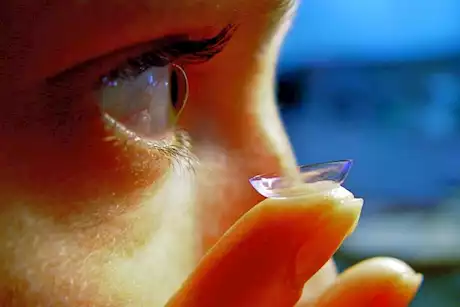
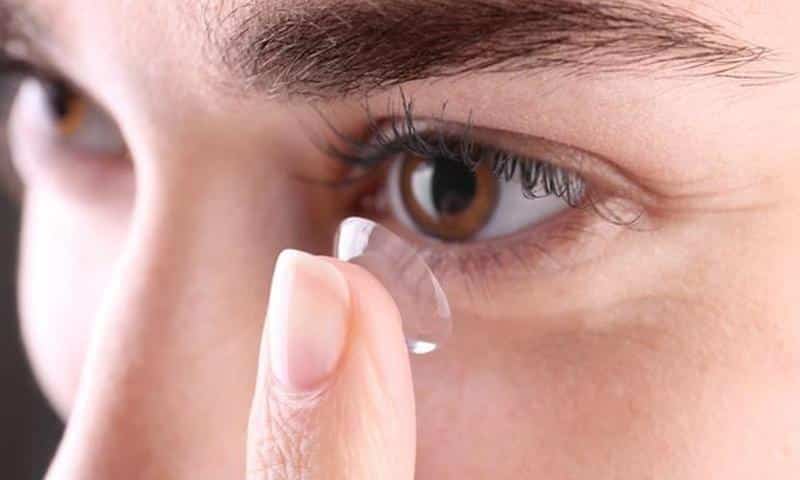
The difference between original and counterfeit contact lenses starts on the production line and ends with the safety of your eyes. Genuine lenses are manufactured under strict medical standards using biocompatible materials that allow sufficient oxygen permeability to the cornea, with a smooth, deposit-resistant surface. They also undergo rigorous quality control and sterilization procedures before being released to consumers.
Counterfeit lenses, on the other hand, are often produced in unlicensed facilities using low‑grade materials that do not meet medical contact lens standards. This significantly increases the risk of allergic reactions, dry eye, keratitis (corneal inflammation), eye redness, pain, and blurred vision.
Authentic lenses are supplied with clear labeling: manufacturer details, expiration date, proper instructions for use, and lens care guidelines. Fake lenses typically lack this information or display falsified data, making it nearly impossible to trace their source or verify their safety.
Moreover, original contact lenses are usually dispensed through eye clinics, pharmacies, or reputable retailers, and are often prescribed after an eye examination to determine the correct fit and power. Counterfeit lenses are commonly found in obscure shops or suspicious online platforms that prioritize low prices over eye health.
For these reasons, choosing original lenses approved by recognized health authorities—and avoiding cheap counterfeit alternatives—is essential to prevent the complications associated with fake lenses and to protect your eyes from serious problems such as corneal ulcers, severe infections, and, in advanced cases, vision loss.
Why Are Counterfeit Contact Lenses So Widespread?
Counterfeit contact lenses are common in the market because of the high demand for colored lenses and the desire to change eye color quickly and cheaply. This pushes many people to look for low‑cost options without paying attention to the source or quality of the lenses.
Some vendors exploit this demand by selling non‑medical, unregulated lenses online or through unlicensed shops, using misleading marketing that focuses on an attractive appearance while ignoring or hiding the serious risks these counterfeit lenses pose to eye health.
Limited health awareness among some users also plays a role. Many do not realize how dangerous it can be to place any foreign object on the corneal surface without proper ophthalmologic supervision, which contributes to the spread of poor‑quality products.
In addition, weak regulatory oversight in certain commercial outlets and the ease of importing cheap lenses encourage the circulation of contact lenses that do not meet medical safety standards.
All these factors make counterfeit lenses more prevalent than original, approved products, despite the risks they carry, such as eye infections, allergic reactions, corneal ulcers, and even vision loss in severe cases.
For this reason, it is essential to choose original, medically approved contact lenses, purchase them from trusted sources, and use them under the supervision of an eye care specialist (ophthalmologist) to avoid the complications associated with counterfeit lenses.
The Harmful Effects of Counterfeit Contact Lenses on Eye Health
The harmful effects of counterfeit contact lenses on eye health can be extremely serious. They are often manufactured from low‑quality materials that do not allow adequate oxygen to reach the cornea, leading to severe dryness, persistent redness, and chronic eye irritation.
Fake contact lenses can also cause corneal abrasions due to their rough edges or poor design, which increases the risk of bacterial and viral eye infections. If not treated promptly, these infections may progress to corneal ulcers and result in permanent loss of visual acuity.
Using counterfeit colored lenses, commonly sold in unlicensed shops or online without medical supervision, exposes the eye to toxic dyes and the leakage of these chemicals into the corneal layers. This may cause corneal opacities and blurred or distorted vision.
The risks of non‑original lenses are further heightened by the lack of proper sterilization and quality control, making them an ideal medium for transmitting fungi and microbes to the eye—especially when lenses are shared between individuals or worn for longer than the recommended duration.
Wearing counterfeit or medically unapproved contact lenses is therefore not just a cosmetic risk; it is a serious threat to eye health that, in severe cases, can lead to partial or even complete loss of sight.
Risks of Corneal Infections and Ulcers from Counterfeit Contact Lenses
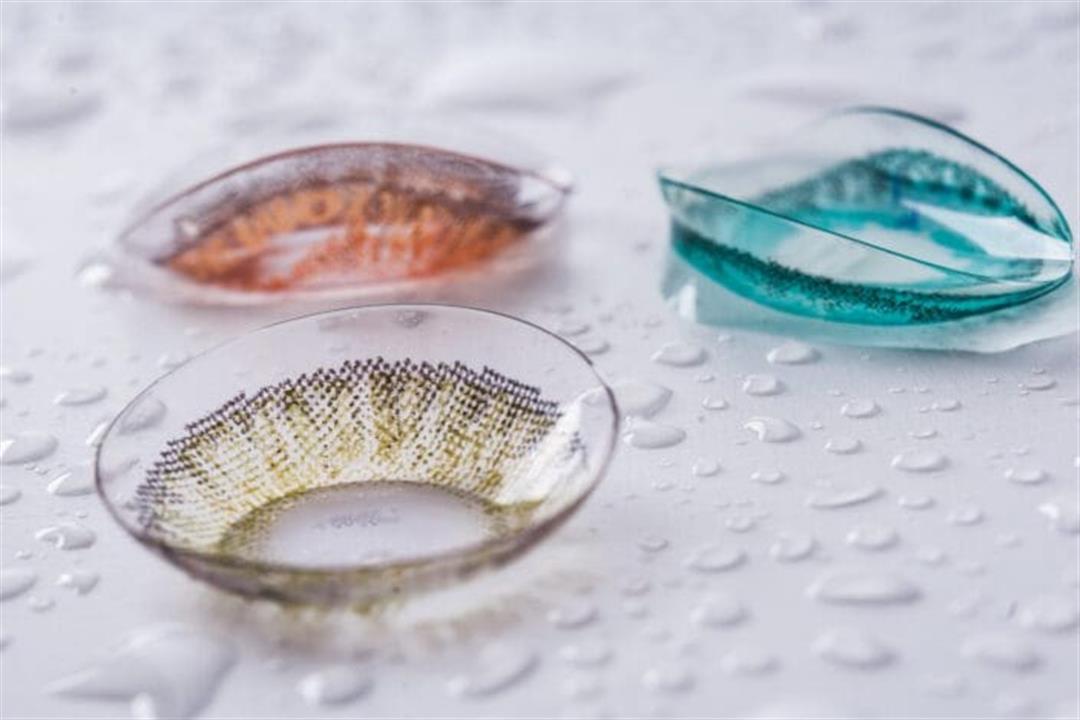
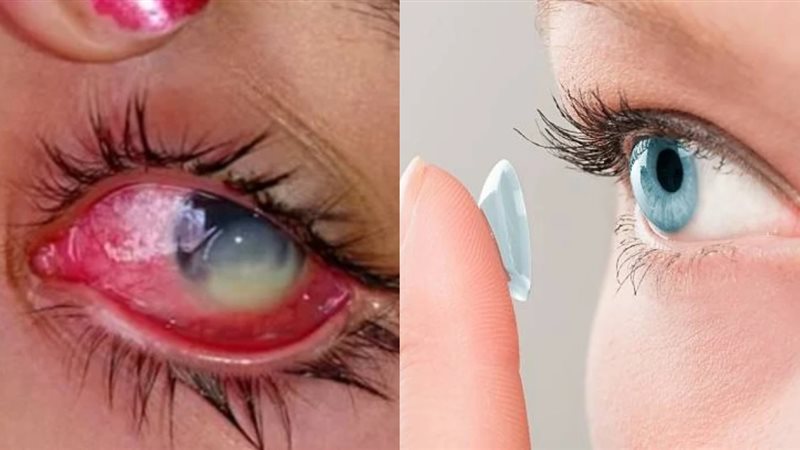
Corneal infections and ulcers are among the most serious complications caused by counterfeit contact lenses. These lenses are often made from poor‑quality materials that do not allow sufficient oxygen to reach the cornea, leading to significant irritation, chronic dryness, and impaired ocular surface immunity.
In addition, fake contact lenses are typically not manufactured according to recognized medical standards and may be contaminated with bacteria or fungi during production or storage. This significantly increases the risk of acute keratitis that can progress within hours.
If keratitis caused by counterfeit colored lenses or non‑original contact lenses is not treated promptly and appropriately, the condition may worsen and develop into a corneal ulcer—a deep, painful defect in the cornea that leads to severe visual blurring, marked light sensitivity (photophobia), purulent discharge, and may result in permanent scarring or partial to complete loss of vision.
For this reason, using medically approved, original contact lenses and strictly avoiding cheap counterfeit lenses sold online or through unlicensed vendors is essential to protect the cornea from serious infections and corneal ulcers that can permanently compromise eye health.
How can you tell genuine contact lenses from counterfeit ones?
To distinguish authentic contact lenses from counterfeit products and protect your eyes from serious damage, start by checking that the lenses come in an original, securely sealed box. The packaging should clearly display the manufacturer’s name, production and expiry dates, batch/lot number, and the product’s registration number with the national drug authority or other recognized health regulators.
Genuine medical contact lenses are usually supplied with a package insert that explains how to use the lenses, important safety warnings, the lens material (e.g., hydrogel or silicone hydrogel), and its oxygen permeability (Dk or Dk/t). Counterfeit lenses often lack this information altogether, or include poorly formatted leaflets with unprofessional language or spelling errors.
Another important sign is the presence of a clear quality seal or the official company logo printed properly on the box. Avoid buying lenses that are sold loose without any original packaging, or placed in unbranded boxes from accessory shops or unreliable online sellers.
Pay attention to the price as well. A very large price gap compared with well-known brands can be a strong indicator that the lenses are counterfeit and of inferior quality.
It is always best to purchase contact lenses from reputable pharmacies or licensed optical centers, and only after a proper eye examination by an ophthalmologist or optometrist. Using counterfeit lenses can lead to severe eye infections, corneal abrasions, intense allergic reactions, and blurred vision that, in severe cases, may progress to permanent vision loss.
By following these steps, you can tell genuine lenses from fake ones and significantly reduce the risk that unsafe lenses pose to your eye health.
Tips to Avoid Buying Counterfeit Contact Lenses
To protect your eyes and avoid the risks associated with counterfeit contact lenses, make sure you only purchase lenses from reputable pharmacies or licensed optical centers, rather than from unverified shops or unknown online sellers.
Check that the lenses are from a recognized brand and that the packaging carries a valid registration or license number from your local health authority. Be wary of extremely low prices or “too good to be true” offers, as these are commonly used to market fake lenses.
Always inspect the lens packaging carefully before you buy. The box should be properly sealed and clearly display the manufacturing and expiry dates, lens power, material composition, and instructions for use.
Do not purchase cosmetic (colored) or prescription contact lenses without an eye examination and consultation with an ophthalmologist or optometrist. A specialist is best qualified to determine the lens type that suits your cornea and to reduce the risk of infections, abrasions, or other complications.
Avoid buying lenses from street vendors or through social media without invoices or any form of warranty; these channels are among the most common sources of low‑quality counterfeit lenses.
Make a habit of reading user reviews on trusted e‑commerce platforms and look for genuine feedback about the lenses before you decide to buy.
By following these guidelines, you can significantly reduce the risk of purchasing counterfeit contact lenses and help prevent serious complications such as keratitis (corneal infections), allergic reactions, blurred vision, and in severe cases, permanent vision loss.
How does the Batal Vision team help you ensure you’re choosing authentic contact lenses?
At Batal Vision, a specialized team of ophthalmologists and optometrists supports you from the very first step in distinguishing genuine lenses from counterfeit ones. They perform a comprehensive eye examination and accurately determine your contact lens prescription and fitting parameters, helping to reduce the risk of allergic reactions and infections.
You are guided to select only trusted, medically approved brands, with a clear explanation of the key differences between original and counterfeit lenses in terms of material quality, oxygen permeability, and safe wear time. This protects you from complications commonly linked to fake lenses, such as ocular irritation, corneal redness, and chronic dry eye.
The Batal Vision team also verifies the source of the lenses, checks quality certificates and medical barcodes, and provides you with clear, practical instructions on proper insertion, removal, and daily care of authentic contact lenses, ensuring long‑term visual comfort and safety.
Through these meticulous clinical steps, Batal Vision helps you choose certified, original lenses and avoid any unregulated products that could put your eye health at risk.