

Blog
What is the difference between single-focal and multifocal lenses?


What Are Monofocal Lenses and When Are They Used?

Monofocal intraocular lenses (IOLs) are lenses implanted inside the eye, most commonly after cataract surgery (removal of the clouded natural lens). They are designed to provide clear vision at a single focal distance only—either far, intermediate, or near—unlike multifocal lenses, which aim to cover multiple distances at once.
Monofocal lenses are typically chosen by patients who want the sharpest possible distance vision, for activities such as driving or watching television, and who don’t mind wearing reading glasses or near-vision glasses after surgery.
Doctors also recommend monofocal lenses in specific situations, such as in patients with retinal diseases, irregular astigmatism, or when multifocal lenses are not medically suitable or are beyond the patient’s budget.
Because of their excellent optical quality and the lower incidence of visual disturbances such as glare and halos compared with some types of multifocal IOLs, monofocal lenses remain a popular and reliable option for vision correction after cataract surgery.
Advantages and Disadvantages of Monofocal Lenses in Line with Search Intent
Monofocal intraocular lenses are designed to provide sharp, focused vision at a single distance—most commonly for far vision—making them a widely used option after cataract surgery for patients who prioritize clear distance vision for activities like driving or watching television.
They are generally more affordable than multifocal lenses, offer excellent optical stability, and are associated with fewer complaints of glare and halos around lights. This makes them particularly suitable for patients who frequently drive at night or who are sensitive to bright lights.
On the downside, monofocal lenses do not provide good vision at all distances. Most patients will still need reading glasses or computer glasses after surgery to compensate for reduced near or intermediate vision.
In addition, they do not correct astigmatism unless a special toric monofocal lens is used. Without this toric version, some patients may not achieve optimal uncorrected visual acuity and will still require glasses for best vision.
When comparing monofocal and multifocal lenses, many patients seek information to help them decide whether they prefer consistently sharp vision at one distance with continued dependence on glasses, or greater freedom from glasses with a higher likelihood of visual side effects. In this context, a thorough consultation with an ophthalmologist is essential to determine the most appropriate choice for each individual case.
What are multifocal lenses and how do they work?
Multifocal lenses are advanced optical lenses used in eyeglasses, contact lenses, and intraocular lenses (IOLs) implanted during cataract surgery. They are designed to correct vision at more than one distance simultaneously—for example: near (reading), intermediate (computer use), and far (driving).
These lenses work by incorporating multiple focal zones or powers within the same lens surface. As light passes through these different zones, it is focused at various distances. The brain then automatically selects the clearest image depending on where the person is looking.
Unlike monofocal lenses, which correct only a single distance, multifocal lenses can reduce or even eliminate the need to switch between different pairs of glasses. They are a popular option for patients with presbyopia, as well as for individuals who have undergone lens replacement or cataract surgery and want good vision at multiple distances without relying heavily on additional spectacles.
Advantages and Disadvantages of Multifocal Lenses
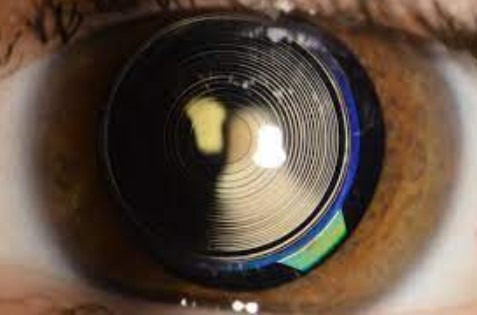
Multifocal lenses offer patients clear vision at different distances simultaneously—such as near vision for reading, intermediate vision for computer use, and distance vision—without needing separate pairs of glasses or single-focus lenses. This significantly enhances comfort and overall quality of daily life.
They are also considered an advanced option after cataract surgery (phacoemulsification with intraocular lens implantation) or refractive procedures like LASIK for those who wish to reduce dependence on glasses. In suitable candidates, they can improve visual acuity under good lighting conditions and lessen the inconvenience caused by frequent shifts between different viewing distances.
However, multifocal lenses have some drawbacks, including the possible appearance of halos or glare around lights at night, and reduced visual quality in low-light conditions for certain patients. There is also an adaptation period during which the brain and eyes learn to optimally distribute focus across near, intermediate, and far distances.
Moreover, they are not appropriate for everyone—for example, individuals with certain retinal diseases (such as macular degeneration) or corneal disorders may not be ideal candidates. Multifocal lenses also tend to be more expensive than monofocal lenses. For these reasons, it is essential to consult an ophthalmologist to assess suitability and carefully weigh the benefits and limitations according to each patient’s specific condition.
Which option suits you best based on your vision and lifestyle?
Choosing between single-vision lenses and multifocal lenses requires a careful assessment of your visual condition and your daily lifestyle.
If your main issue is distance vision—for example, you drive frequently, watch TV for long periods, and don’t mind wearing separate reading glasses—then single-vision lenses may be more suitable. They provide excellent clarity at one distance and often help reduce glare in many situations.
On the other hand, if you want clear vision at multiple distances at the same time (near, far, and intermediate), use digital devices regularly, spend long hours reading or working on a computer, and prefer not to switch between different pairs of glasses, then multifocal lenses (such as progressive lenses) can be a practical option, offering greater flexibility for various daily activities.
To reach the best decision for your case, you should discuss your work pattern, hobbies, degree of dry eye, and any other eye conditions with your ophthalmologist or optometrist. A comprehensive clinical evaluation is essential to determine which type of lenses will provide you with the best comfort, visual quality, and overall improvement in your visual quality of life.
Tips for Choosing the Right Lens Type for Your Research Focus
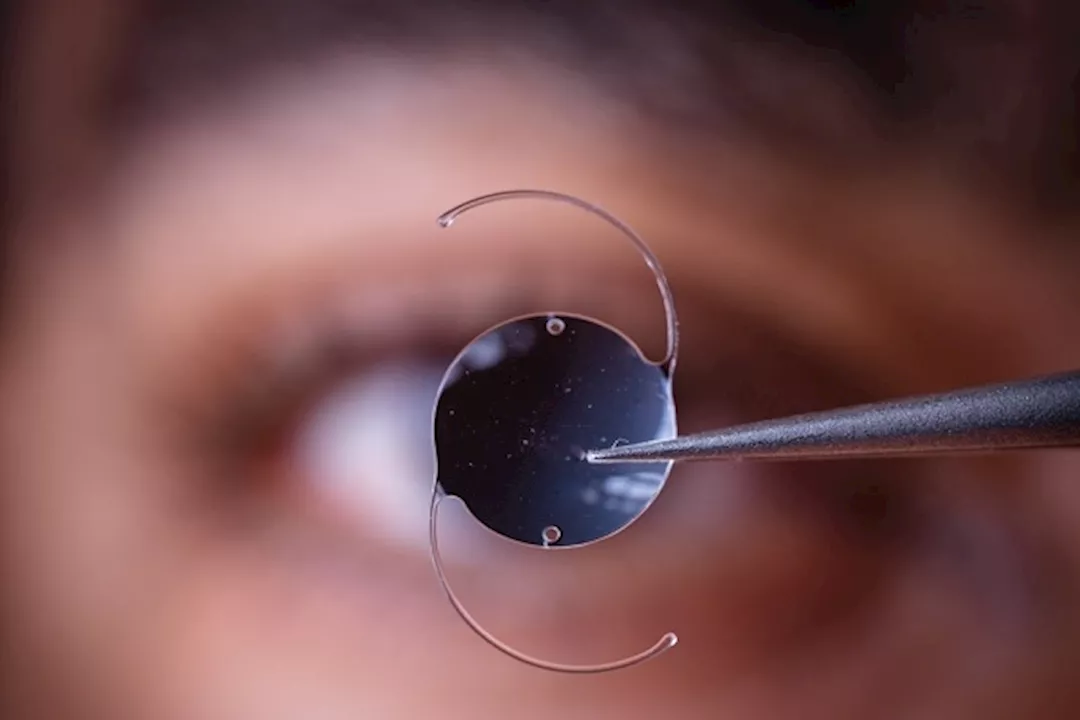
When comparing monofocal and multifocal intraocular lenses, your choice should be guided by your lifestyle and actual visual needs, not by price alone.
Ask your ophthalmologist to assess how much you rely on near versus distance vision in your daily routine—for example, using your phone, computer, and reading, compared with driving or watching TV—as this largely determines whether monofocal or multifocal lenses are more suitable for your eyes.
Make sure to discuss any previous eye conditions, such as cataracts, high myopia, or dry eye disease, since some of these may make multifocal lenses less comfortable or less effective.
Talk to your doctor about possible side effects, such as halos or night-time glare with multifocal lenses, and how likely it is that you will still need glasses after surgery, even if you choose a premium lens.
It is also important to check the reliability of the lens manufacturer, including quality assurance and post-operative follow‑up. Choosing a medically approved lens with well-documented outcomes can improve your visual results and reduce the need for further interventions.
Finally, your choice of lens type should be the result of a clear, detailed discussion with your surgeon about the differences between monofocal and multifocal lenses, so you can get the maximum benefit from the procedure and enjoy comfortable, stable vision over the long term.
How does the Batal Vision team help you choose the right lenses?
At Batal Vision Eye Center, choosing between monofocal and multifocal lenses isn’t just a matter of personal preference. It’s a medical decision based on a thorough assessment of your visual condition, lifestyle, and daily needs.
Your ophthalmologist and the specialized lens team perform comprehensive examinations, including visual acuity testing, corneal assessment, and evaluation of nearsightedness, farsightedness, astigmatism, or early cataract formation. They then discuss your daily activities in detail, such as computer work, reading, night driving, and prolonged smartphone use.
Based on this information, the team clearly explains the difference between monofocal and multifocal intraocular lenses, outlining the advantages and limitations of each option, and how they affect near, intermediate, and distance vision. They also walk you through the expected visual outcomes after surgery or after lens implantation.
This evidence-based approach at Batal Vision helps you select the lens that offers the best balance of visual clarity, comfort, and reduced dependence on glasses, while strictly adhering to the latest medical guidelines and advanced technologies to achieve the best possible results in line with your expectations and your search for the “best types of lenses for the eyes.”