
Blog
Original or fake sunglasses: How to tell the difference?

Why is it important to choose original sunglasses?
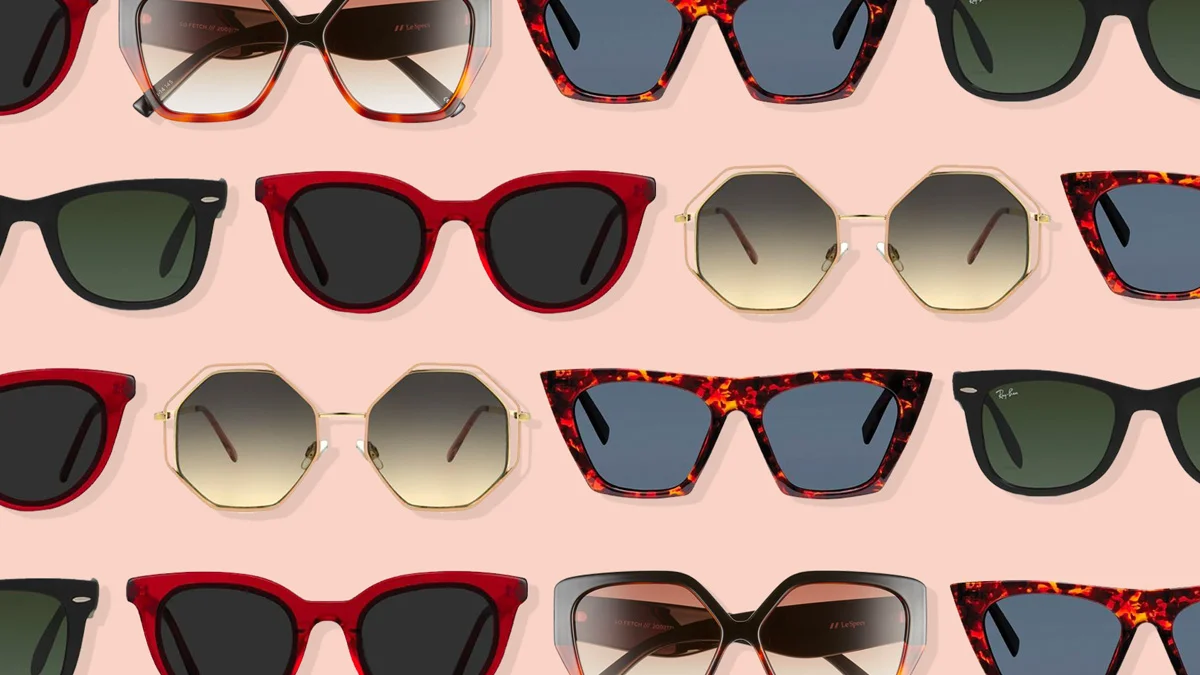
Choosing original sunglasses isn’t just about style or brand names; it’s a crucial step in protecting your eyes from sun damage.
Authentic sunglasses are equipped with certified lenses that provide full protection against UVA and UVB radiation. This significantly reduces the risk of developing cataracts, age-related macular degeneration, corneal irritation, and dry eye.
Unlike counterfeit sunglasses, genuine products undergo stringent quality control to ensure clear vision without color distortion, and to prevent headaches and eye strain that can result from lens defects.
Original brands also use safe, lightweight, hypoallergenic materials, along with carefully engineered designs that shield the eye area from side light and harmful reflections.
When choosing original sunglasses, make sure they carry a UV protection label, a warranty or authenticity certificate, and buy them from a reputable retailer. Investing in medically approved, original sunglasses is a direct investment in your long-term eye health.
Lens Quality: How Do You Tell Genuine Sunglasses from Imitations?
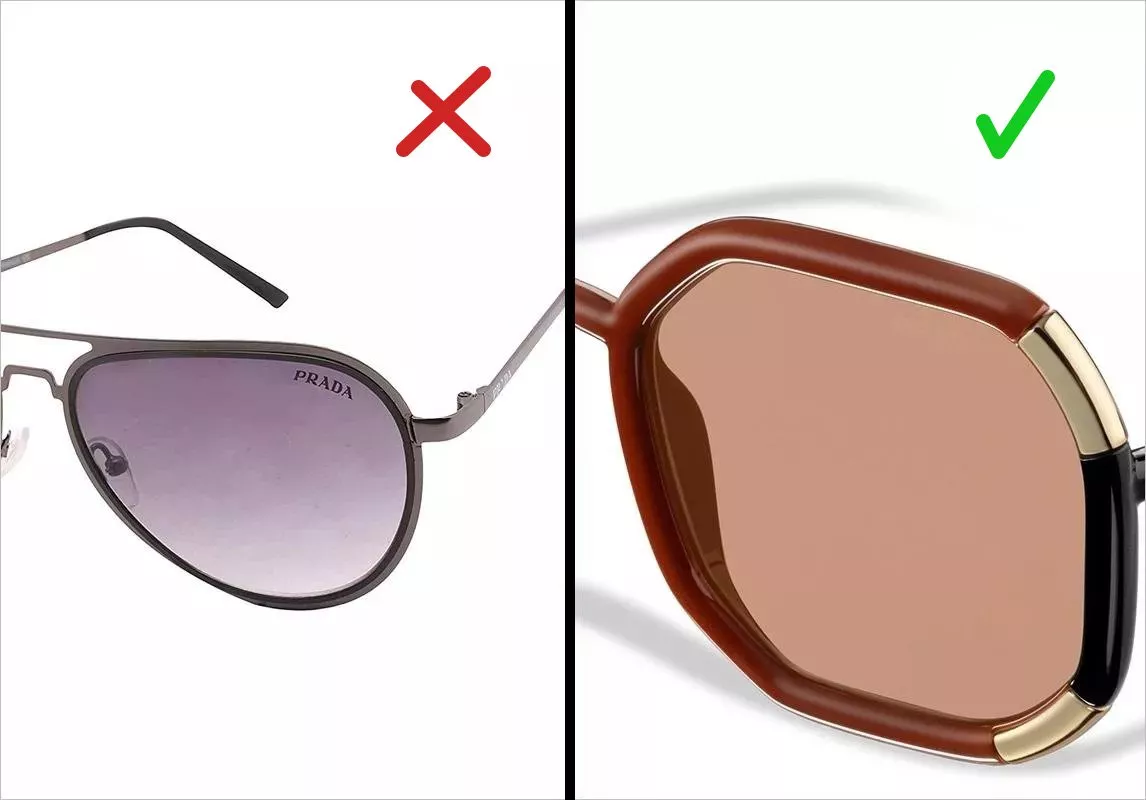
When choosing genuine sunglasses, lens quality comes first. Lenses are what actually protect your eyes; they are not just a cosmetic feature.
Original, certified sunglasses usually have markings such as UV400 or 100% UV Protection, indicating full blocking of both UVA and UVB radiation. Fake or low‑quality lenses often lack these precise markings, or they appear in poor, inconsistent print.
High‑quality lenses provide clear, uniform vision with no color distortion or waviness when you move the glasses in front of your eyes. In contrast, counterfeit lenses frequently cause headaches and eye strain due to uneven optical surfaces.
You can also notice the difference in the coatings: genuine lenses typically feature anti-reflective and scratch-resistant layers, and feel smooth and uniform to the touch. Poor-quality lenses, on the other hand, often show fine scratches or irregular shine even from the first uses.
Brand logos on the temple or on the lens of authentic sunglasses are usually engraved or precisely printed with consistent, sharp lettering—unlike cheap surface printing on fake products, which tends to fade or peel off easily.
To ensure proper lens quality and real eye protection, it’s best to buy original sunglasses from reputable pharmacies or authorized optical retailers, and avoid imitations that may simply darken your vision without offering true protection against sun-induced damage to the retina or the eye’s natural crystalline lens.
Frames and fine details: subtle clues that serve the intent behind your search
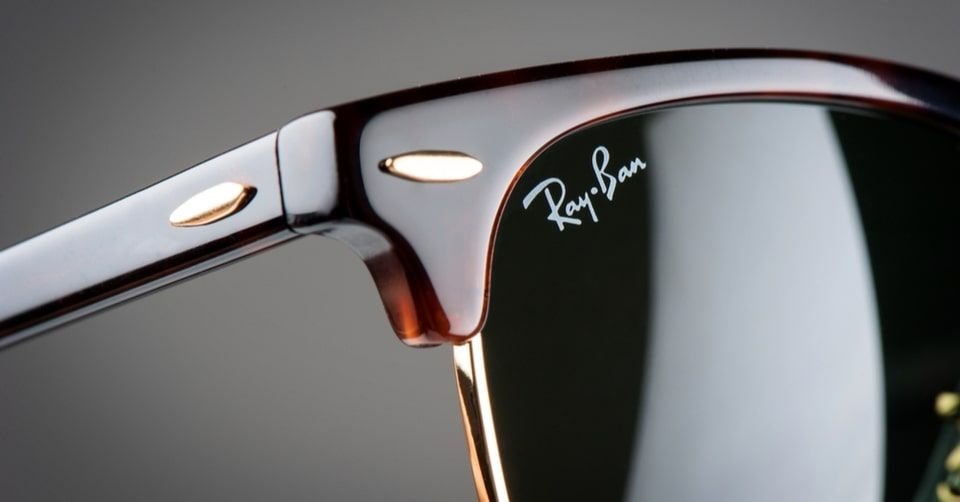
When choosing genuine sunglasses, the frames and their tiny details reveal a great deal about the product’s quality and its safety for the eyes—exactly what users look for when verifying authenticity.
Original frames have a smooth, uniform finish with no sharp edges or traces of glue, and their joints are solid and stable. This keeps the lenses properly aligned with the visual axis, helping maintain visual comfort and reducing eye strain.
Engravings on the temples and inner side of the frame—such as the brand logo, model number, frame size, and country of manufacture—are usually crisp, uniform, and neither faded nor smudged. In most authentic models, these details are precisely engraved rather than randomly printed, making them a key element in telling genuine sunglasses from counterfeits.
Even the screws and hinges in authentic sunglasses are manufactured to a high standard: they are tightly secured, resistant to rust, and help keep the frame stable on the face. This preserves the correct distance between the lenses and the eyes, which is crucial to ensure effective ultraviolet (UV) protection.
Paying attention to these small frame details not only helps you distinguish originals from imitations, but also protects your eyes in the long term from harmful radiation that counterfeit sunglasses may fail to block, despite what their labeling claims.
Price & Place of Purchase: Key Authenticity Indicators that Support Search Intent
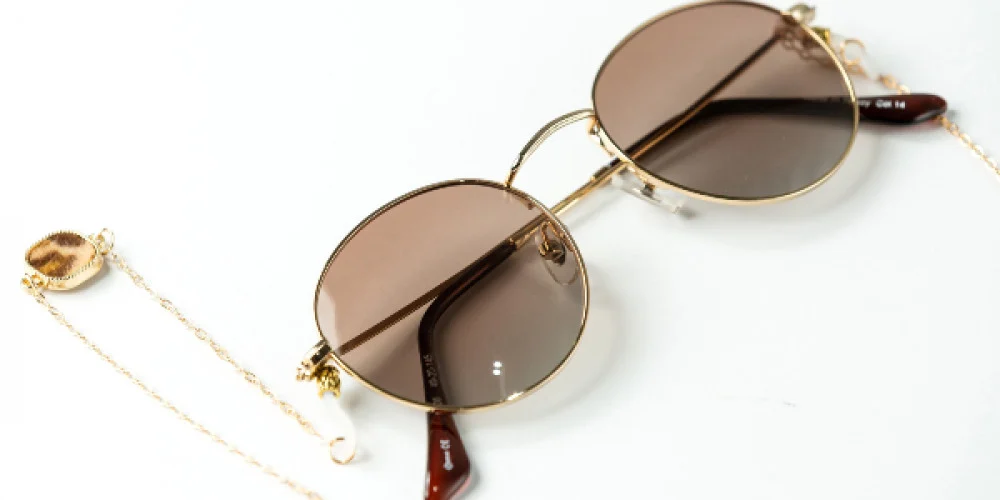
Choosing genuine sunglasses starts with understanding how price and point of purchase act as the strongest indicators of authenticity and of how effectively the glasses protect the eyes from harmful sunlight.
Original sunglasses usually cost more than counterfeit ones because they use high‑quality lenses with certified UV400 protection and/or medically approved polarized filters, in addition to strict manufacturing standards that shield the eye from ultraviolet radiation – the kind that can damage the cornea and crystalline lens and increase the long‑term risk of cataracts.
Buying sunglasses from reputable retail stores, major pharmacies, licensed optical centers, or official brand websites greatly reduces the risk of ending up with counterfeit products that offer little or no real protection despite their attractive appearance.
When searching for “authentic sunglasses,” it is essential to look for an official invoice, written warranty, and certificates confirming compliance with UV protection standards, while avoiding deals with unrealistically low prices or unverified online sellers. An illogically low price is often a red flag for fakes that may give a false sense of security and expose the eyes to serious cumulative damage.
Focusing on price and place of purchase in this way directly supports the core search intent: finding authentic sunglasses that truly protect ocular health, combining medically sound protection with genuine quality and fair value.
Harmful Effects of Counterfeit Sunglasses on Eye Health (SEO‑friendly)
Wearing counterfeit sunglasses instead of high‑quality, certified ones can expose your eyes to serious health risks, despite their attractive look and low price.
Most fake sunglasses do not provide proper UV protection (such as UV400 lenses), allowing harmful ultraviolet rays to penetrate the eye. Over time, this can damage the cornea and the crystalline lens, and increase the risk of cataracts and age‑related macular degeneration.
Poor‑quality lenses in counterfeit sunglasses can also cause blurred vision, persistent headaches, and significant eye strain due to surface irregularities and inaccurate tint density.
What makes them even more dangerous is that their dark tint causes the pupil to dilate, letting in a larger amount of ultraviolet radiation without real protection, which actually increases damage instead of preventing it.
In addition, low‑grade plastic materials can irritate the skin around the eyes and trigger allergic reactions.
For these reasons, ophthalmologists consistently stress that choosing original, certified sunglasses with proven UV protection is an essential investment in long‑term eye health, not just a fashion accessory.
Practical tips to avoid buying counterfeit sunglasses (aligned with research intent)
When buying genuine sunglasses, start by purchasing from authorized retailers, reputable pharmacies, or official websites of well‑known medical eyewear brands. Avoid street vendors and unverified online stores that promote “unrealistic” or excessively large discounts.
Inspect the lenses against a light source. The tint should be uniform, without spots or streaks, and there should be an engraving or marking indicating the level of UV protection (such as “UV400” or “100% UV Protection”). This is a key factor in shielding the eyes from ultraviolet radiation, which can lead to keratitis, dry eye, or, in the long term, increase the risk of cataracts.
Pay attention to build quality. Genuine sunglasses typically have a sturdy frame, durable hinges, and a well‑balanced weight. The brand name and model number are clearly printed on the temples, without spelling mistakes, smudging, or fading.
Ask the seller for a warranty card or an invoice specifying the lens type and UV protection rating. It is also advisable to wear the sunglasses for a few minutes to ensure clear vision and to check for any visual distortion, headache, or eye strain.
If you are unsure whether the sunglasses are authentic, visit an ophthalmologist or a trusted optical center. They can test the lenses with a UV meter to verify that the sunglasses provide proper protection and are safe for your eyes.
By following these steps, you can reduce the risk of purchasing counterfeit sunglasses, protect your eye health, and get the full benefit of wearing high‑quality, original eyewear.
How does the Batal Vision team ensure you get 100% authentic eyewear?
The Batal Vision team follows a rigorous process for selecting genuine sunglasses, so you receive real eye protection – not just a stylish accessory.
It starts with working exclusively with internationally authorized companies and distributors for reputable original eyewear brands, and verifying conformity and quality certificates for every single product.
The team then inspects the lenses to confirm they provide full UV400 protection, which is essential for maintaining long‑term eye health and preventing damage from harmful ultraviolet radiation.
They also assess the quality of the frame and lens materials, ensuring they match the specifications of the original brand. This includes checking the serial number, country of origin, and precisely engraved logos – details that are usually missing or poorly executed in counterfeit products.
In addition, the Batal Vision team offers specialized consultation to help you choose either prescription sunglasses or standard (non‑prescription) sunglasses that suit your face shape and visual needs, while clearly explaining the differences between original and counterfeit lenses so you can make an informed and safe purchase decision.
Through these steps, Batal Vision guarantees that the sunglasses you receive are 100% authentic and provide effective medical‑grade protection for your eyes, along with a stylish and trustworthy look.