

Blog
How to choose the right glasses size

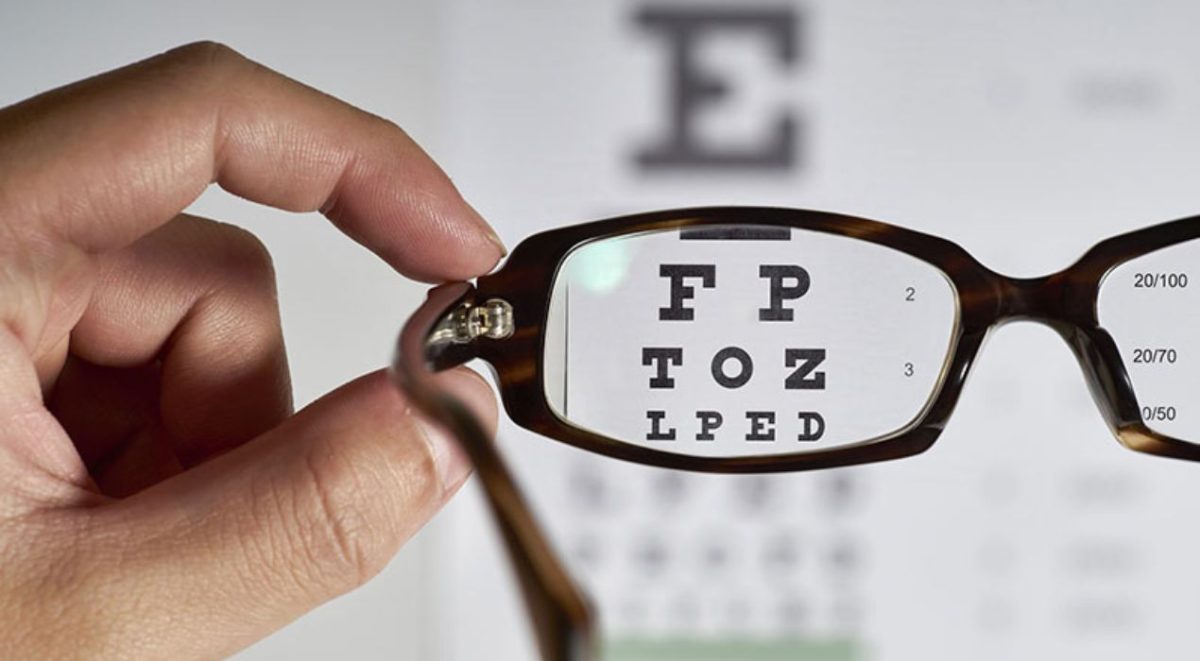
Why Is Frame Size a Key Factor in Comfort?
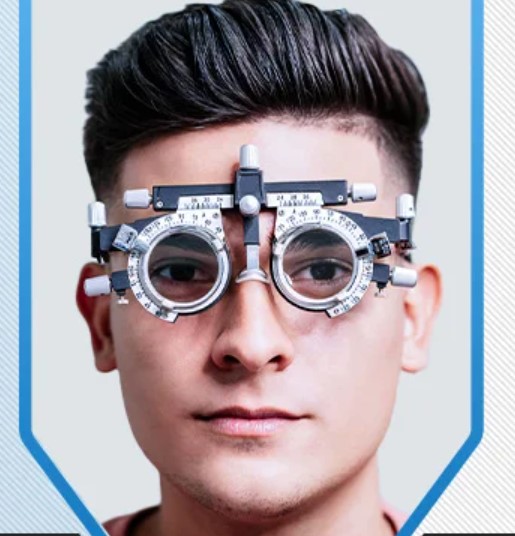
Choosing the right eyeglass frame size is crucial for both comfort and visual quality. An ill‑fitting frame can lead to headaches, redness or soreness around the nose and ears, and constant slipping or instability of the glasses throughout the day.
When the frame size is properly matched to your facial measurements (frame width, temple/arm length, and bridge width), the weight and pressure are distributed evenly. This helps prevent pain and pressure on the nasal bridge and the area around the ears, and reduces how often the glasses slide down with movement.
A correctly sized frame also ensures that the lenses are optimally aligned with the center of the pupil, which improves visual acuity, reduces eye strain, and maximizes the benefit of prescription lenses or blue‑light / screen‑protection lenses.
Understanding frame size and knowing how to read the numbers printed on the inside of the temple arm makes it easier to choose prescription or sunglasses that are comfortable, safe for your eyes, and harmonize with your face shape. This is exactly what most people are looking for when they search for “the right glasses size” or “how to choose the correct frame size.”
The numbers printed on your eyeglass temples: what do they mean?
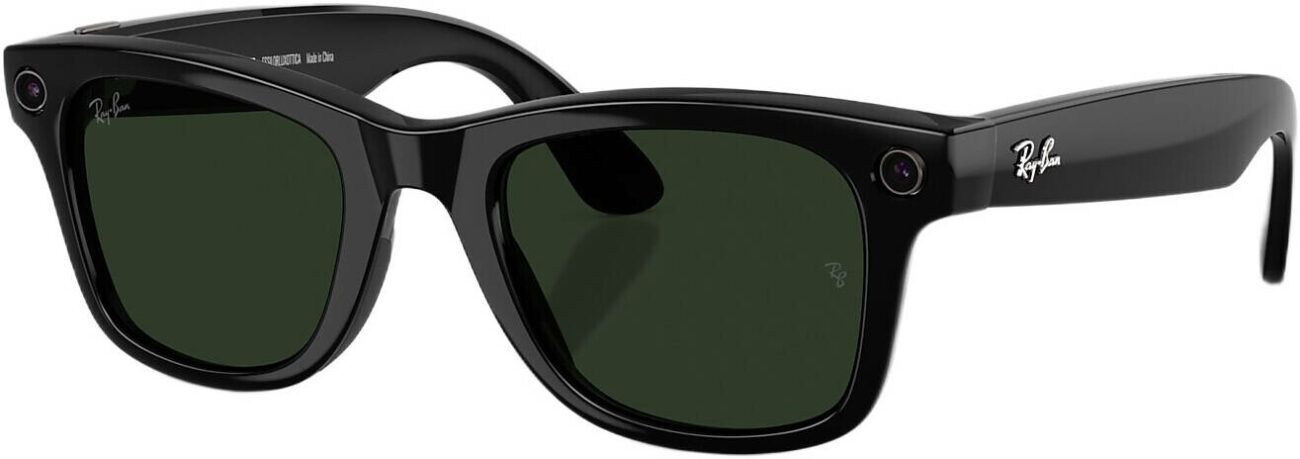
When you’re looking for the right eyeglass size, you’ll almost always find a small sequence of numbers printed on the temple, such as: 52□18 140. These aren’t random; they precisely describe your frame’s measurements.
The first number usually indicates the lens width in millimeters, a key factor in matching the frame to your face shape and the distance between your eyes.
The second number, which appears after the square symbol □, represents the bridge width—the distance between the two lenses over the nose. This measurement largely determines how comfortably and securely the glasses sit on the nasal bridge.
The third number refers to the temple length—the length of the arms that extend from the frame to behind the ears. This affects how stable the glasses are and how well they stay in place without slipping.
Understanding these measurements helps you choose the correct frame size when shopping online or when replacing an old frame with one of the same size. Getting the right fit improves visual quality, enhances wearing comfort, and reduces headaches and eye strain caused by poorly fitted glasses.
How to Measure Your Eyeglass Size Using a Card or Ruler (Optimized for Search Intent)
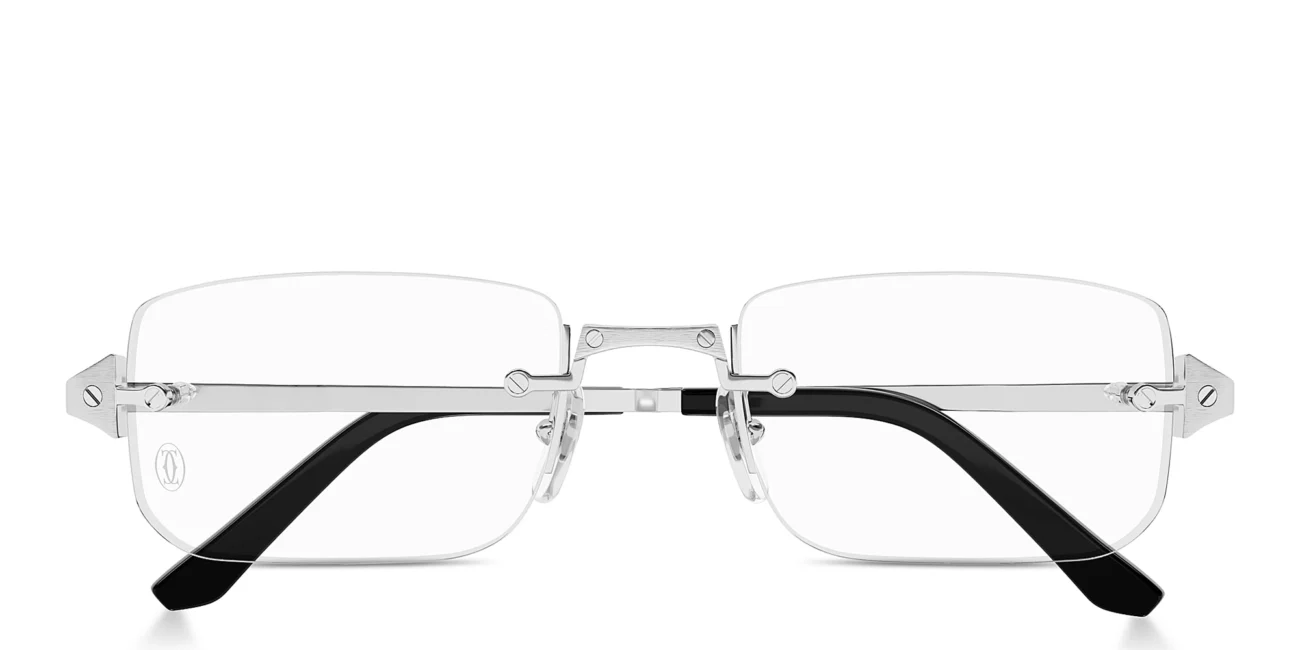
You can accurately estimate your eyeglass frame size at home—without visiting an optical store—by using a standard-sized bank card, ID card, or a simple ruler to measure your face width and determine the right frame size.
Hold the card horizontally at the center of your nose, directly under your eyes.
- If the card roughly matches the width of your face, you likely need a medium frame.
- If the card looks smaller than your face width, you probably need a large frame.
- If the card is wider than your face, a small frame will usually be more suitable.
With a ruler, measure the distance in millimeters between your two temple bones (from left to right). As a general guide:
- 120–130 mm usually corresponds to a small frame size.
- 130–140 mm usually corresponds to a medium frame size.
- More than 140 mm usually indicates a large frame size.
Always consider your face shape and how comfortable the frame feels on your nose and behind your ears.
These simple at-home measurements help you choose the correct eyeglass size when buying online or in-store, reducing the risk of headaches, visual discomfort, or slipping frames caused by an improper fit. However, you still need to visit an optometrist or ophthalmologist to obtain an accurate prescription for your lenses (refractive error measurement) and other clinical details such as pupillary distance (PD).
How to Measure Your Pupillary Distance (PD)
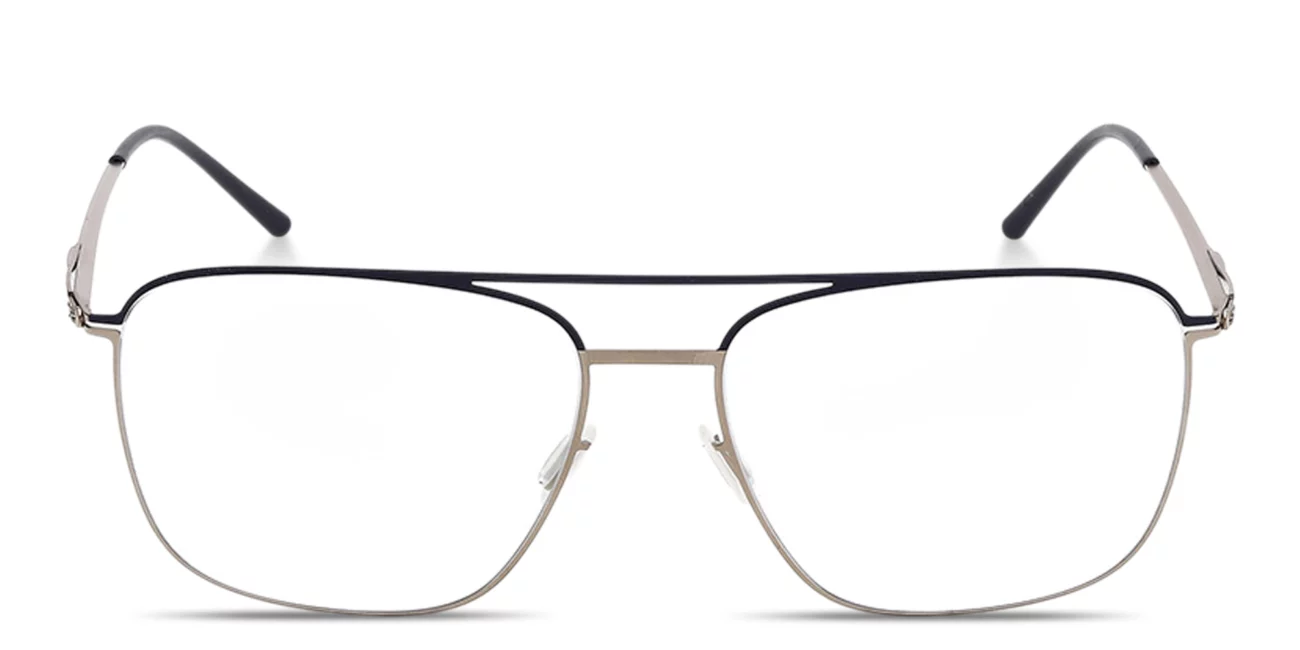
Accurately measuring your pupillary distance (PD) is a key step in choosing the correct eyeglass size and ensuring clear vision and comfortable eye alignment.
Normally, an optometrist or ophthalmologist measures your PD using a specialized device called a pupillometer during your eye exam, and records it on your eyeglass prescription.
If your PD is not listed, you can measure it at home using a paper or plastic ruler placed on the bridge of your nose. Stand in front of a mirror or ask someone to help you, fix your gaze on a specific point straight ahead, then measure the distance in millimeters between the center of the pupil in your right eye and the center of the pupil in your left eye.
There are two main PD values:
- Binocular PD: one value for both eyes together
- Monocular PD: a separate value for each eye
Monocular PD is particularly important for high-prescription glasses and reading glasses.
The more precise your PD measurement, the better the lenses can be aligned with your visual axis, which helps reduce eye strain and headaches, improves visual quality, and ensures your glasses fit your face as comfortably and accurately as possible.
Common Sizing Mistakes When Choosing Glasses – And How to Avoid Them
One of the most frequent mistakes when choosing eyeglass size is relying solely on frame style or brand and ignoring the sizing numbers printed on the temple arm—such as lens width, bridge width, and temple length. Overlooking these measurements often leads to glasses that are unstable and uncomfortable on the face.
Many people also choose frames that are wider than they need, assuming they’ll be more comfortable. In reality, oversized frames tend to slip down constantly and can distort the visual field. On the other hand, frames that are too narrow can pinch the sides of the nose and ears, causing headaches and red pressure marks on the skin.
Another common error is disregarding face shape and interpupillary distance (the distance between the centers of the pupils). This affects how well the lenses are centered in front of the pupils and can reduce visual clarity—even if the prescription lenses themselves are correct.
To avoid these issues, start by checking the measurements on a pair of glasses you currently find comfortable. Then consult an optometrist or optician to determine the ideal frame width, bridge width, and temple length for your face. Try several frames on while looking in a mirror to ensure they sit securely, don’t rest on your cheeks when you smile, and don’t leave a large gap over the bridge of your nose.
Whenever possible, use digital measuring tools available at reputable optical stores or trusted online retailers to determine your exact frame size. Make sure the frame dimensions are compatible with your prescription, especially in cases of high myopia or high hyperopia, to ensure optimal visual performance and long‑term comfort.
When should you see a specialist to determine your glasses size?
You may need to consult an optometrist or ophthalmologist to determine the correct prescription and frame size in several important situations. The most common are frequent headaches, eye strain, or blurred vision while wearing your current glasses. These symptoms can indicate that your prescription is no longer appropriate, or that your pupillary distance (PD) was measured inaccurately.
It’s also advisable to see an eye care professional when buying glasses for the first time, or when switching lens types—for example, from standard prescription lenses to computer lenses, driving lenses, or reading glasses—since each of these uses requires precise measurements to ensure clear, comfortable vision.
If your glasses keep slipping down your nose, feel tight at the temples, or leave red marks on your nose or behind your ears, this strongly suggests that the frame size or fit is not suitable and needs to be adjusted by a specialist.
Children, in particular, should have a comprehensive eye examination by a specialist to ensure that their prescription and frame size are accurate, as any error in measurement can affect the development of their vision.
Consulting a specialist about your glasses doesn’t just help you get the right frame size and lens prescription; it also allows for early detection of eye health issues and provides tailored advice on the most suitable lens type and frame shape for your face and lifestyle.
How does the Batal Vision team help you find the perfect eyeglass size?
At Batal Vision, choosing the right frame size is never based on guesswork. Our team relies on a thorough eye assessment, careful review of your prescription, analysis of your face shape, and accurate measurement of your pupillary distance (PD) to ensure that your optical, computer, or sunglasses frame fits you precisely.
Our optometrists and optical specialists measure lens width, bridge width, and temple length with high accuracy to make sure your glasses sit securely on your nose and ears without slipping or causing uncomfortable pressure. They also ensure that the optical center of each lens is aligned with your line of sight, which enhances visual clarity and helps reduce eye strain.
Based on your lifestyle, the Batal Vision team recommends the most suitable size for your needs—whether you need glasses for everyday wear, computer use, driving, or sports—and gives you practical advice on selecting a frame size that matches your face shape and head size, for both comfort and an attractive appearance.
With this systematic approach, the Batal Vision team helps you choose the ideal eyeglass size that brings together clinical accuracy, long‑term comfort, and optimal visual performance.