
Blog
Prescription Glasses vs Contact Lenses: Which Option Is Right for You?

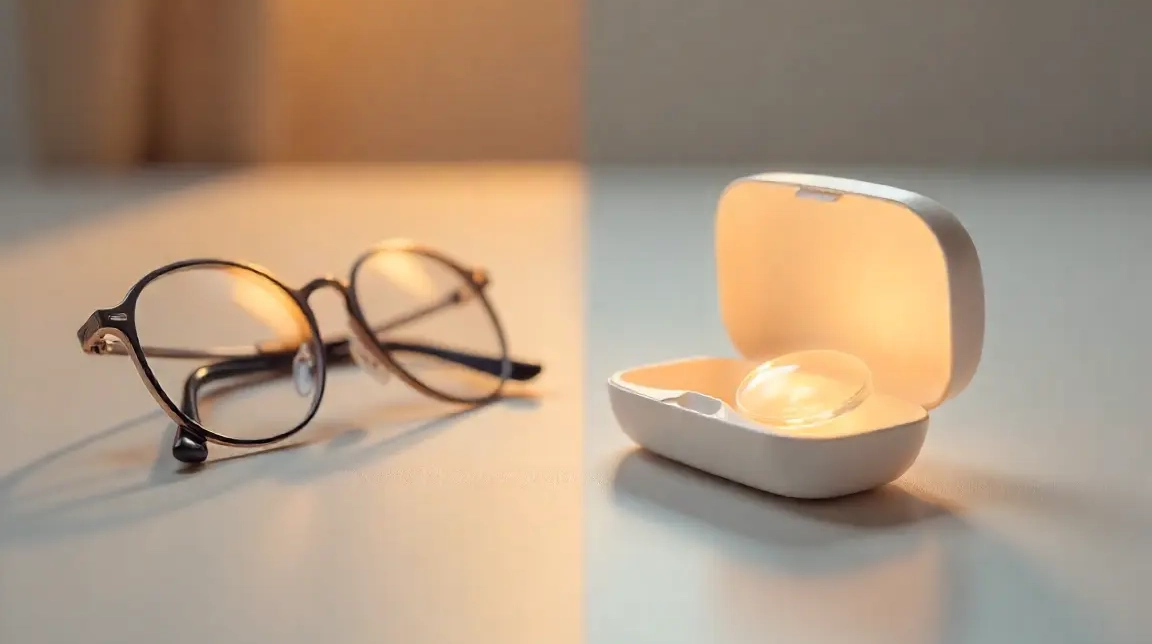
Table of Contents
Key Differences Between Prescription Glasses and Contact Lenses
The main differences between prescription glasses and contact lenses lie in how they correct vision, the level of comfort they provide, and how easy they are to care for.
Prescription glasses are generally the safest and simplest option. They do not come into direct contact with the surface of the eye, which reduces the risk of eye infections and dryness. They are also easy to put on and take off, simple to clean, and can offer extra protection from dust, wind, and sunlight when fitted with prescription sunglasses lenses.
Contact lenses, on the other hand, provide a wider field of vision than glasses because they move with the eye and there is no frame limiting peripheral vision. Many people also prefer them for cosmetic reasons or when playing sports.
However, contact lenses require strict daily care, regular cleaning, and adherence to your ophthalmologist’s instructions to avoid infections and corneal complications—especially in people with dry eye or allergies.
By contrast, some people find prescription glasses uncomfortable because of the weight of the frame on the nose, facial sweating, or blurred vision when lenses fog up. Nonetheless, advances in frame design, lightweight materials, and anti‑reflective lenses have made glasses a practical and suitable option for a large number of people who need vision correction.
Ease of Use: Which Is More Practical in Everyday Life?
Choosing between glasses and contact lenses in terms of day‑to‑day comfort largely depends on your lifestyle and how willing you are to maintain each option properly.
Prescription glasses are generally simpler to manage on a daily basis: you just put them on and take them off without touching your eyes or using special solutions. They’re quick to clean and are a convenient choice for many people, especially those who suffer from dry eye or ocular allergies.
Contact lenses, on the other hand, offer a more natural visual experience, a wider field of view, and greater comfort during sports and physical activity. However, they require a strict daily routine of cleaning and disinfection, along with meticulous hand and lens hygiene, to prevent eye infections and corneal complications.
From a convenience standpoint, glasses tend to be the better option for those who prefer a straightforward, low‑maintenance solution. Contact lenses are better suited to individuals who are committed to following daily medical guidelines and who want greater freedom of movement and a more natural look.
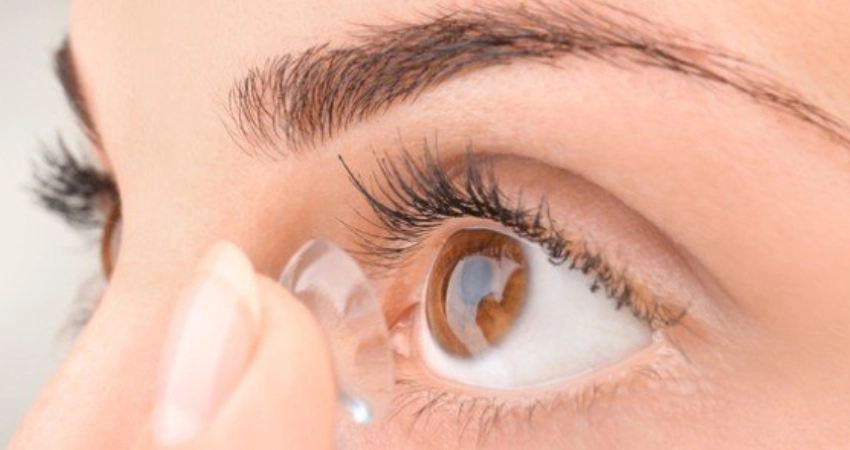
Eye Health: Weighing the Risks and Benefits of Each Option
When comparing glasses and contact lenses from an eye-health perspective, it’s important to understand how each option affects the cornea, conjunctiva, and overall visual quality in both the short and long term.
Prescription glasses correct vision without direct contact with the eye’s surface, which lowers the risk of eye infections and dryness. They also provide a barrier against dust and dry air, and many lenses offer ultraviolet (UV) protection. This can be particularly beneficial for corneal health, especially in people with dry eye disease or ocular allergies.
Contact lenses, on the other hand, offer sharper peripheral vision and greater freedom of movement, especially during sports and physical activities. However, they can increase the risk of corneal infections (such as microbial keratitis) if not used according to the ophthalmologist’s instructions or if hygiene and disinfection protocols are not followed. Certain types can also worsen dry eye symptoms by reducing the amount of oxygen reaching the cornea.
Choosing the most suitable vision correction method therefore depends on an ophthalmologist’s assessment of corneal health, severity of dry eye, and lifestyle. Regular eye examinations and using lubricating eye drops when needed help you gain the benefits of glasses or contact lenses while minimizing their potential risks to ocular health.
Cost and Lifespan: Glasses vs. Contact Lenses
Over the long term, prescription glasses are generally less expensive than contact lenses. You pay once for the frame and prescription lenses, and with proper care, the same pair of glasses can last two to three years or even longer, with only the lenses needing replacement if your prescription changes.
Contact lenses, on the other hand, may seem more affordable at first purchase, but they involve ongoing expenses. These include the cost of daily, bi-weekly, or monthly lenses, as well as disinfecting solutions and storage cases, which makes their cumulative cost higher over time.
The lifespan of contact lenses is relatively short, and it is essential to adhere strictly to both the expiration date and the recommended replacement schedule (daily, weekly, monthly, etc.) to protect eye health and reduce the risk of infections such as keratitis or conjunctivitis.
From both an economic and health perspective, glasses are usually a more cost-effective and longer-lasting option. Contact lenses, by contrast, represent a continuous financial commitment that requires a stable monthly budget. It is therefore advisable to discuss your lifestyle, visual needs, and budget with your ophthalmologist before deciding between glasses and contact lenses.
Which Option Fits Your Lifestyle Best?
Deciding between prescription glasses and contact lenses depends mainly on your daily lifestyle and how much freedom of movement you need, not just on your prescription or type of refractive error.
If you spend long hours in front of digital screens or indoors, glasses may be more comfortable and safer for your eyes—especially with lenses that have anti-reflective coatings and blue-light filters to help reduce eye strain and headaches.
On the other hand, if you exercise regularly or need a wider, unobstructed field of vision, contact lenses can be a better fit. They provide superior peripheral vision and move naturally with your eyes.
Your personal care habits also matter. Contact lenses require strict adherence to hygiene and disinfection routines to prevent eye infections, whereas glasses are simpler to use day to day and need less maintenance.
In all cases, it’s best to discuss your lifestyle with an ophthalmologist or optometrist to determine whether glasses or contact lenses are more suitable for your visual health and overall quality of life.
How does the Batal Vision team help you choose the most suitable option?
At Batal Vision, a team of ophthalmologists and optometrists performs a comprehensive assessment of your visual status before recommending the most appropriate prescription glasses or contact lenses. This includes accurately measuring visual acuity, examining the corneal surface, assessing dry eye, light sensitivity, and carefully reviewing your daily lifestyle.
Based on these findings, the team explains the advantages and limitations of both glasses and contact lenses in terms of comfort, visual clarity, ease of use, and long‑term ocular safety. They also focus on selecting high‑quality ophthalmic lenses and suitable coatings, such as anti‑reflective layers or ultraviolet (UV) protection.
Your specialist will also help you try on frames that best fit your face shape and prescription, and will explain how to care for your glasses or contact lenses, including daily hygiene steps to reduce the risk of eye infections and corneal complications.
In this way, you receive not only an accurate prescription, but also expert guidance that combines medical knowledge with clinical experience to determine the ideal option for your eyes—whether prescription glasses or contact lenses—ensuring the best possible vision and long‑term eye health.
Frequently Asked Questions About Prescription Glasses vs Contact Lenses
Are prescription glasses safer than contact lenses?
Yes. Prescription glasses do not touch the eye’s surface, which lowers the risk of infections, dryness, and corneal complications. They are generally considered the safer long-term option for many patients.
Do contact lenses provide better vision than glasses?
Contact lenses often provide a wider field of vision and better peripheral clarity because they move with the eye. However, overall clarity depends on proper fitting and eye health.
Which is more cost-effective: glasses or contact lenses?
In the long term, prescription glasses are usually more cost-effective since they last longer and do not require continuous replacement or cleaning solutions.
Can contact lenses damage your eyes?
When used incorrectly or without proper hygiene, contact lenses can increase the risk of infections such as microbial keratitis. Following your ophthalmologist’s instructions minimizes these risks.
Are glasses better for dry eyes?
Yes. People with dry eye syndrome often tolerate glasses better because contact lenses may worsen dryness by reducing oxygen flow to the cornea.
Can I switch between glasses and contact lenses?
Yes. Many patients alternate between prescription glasses and contact lenses depending on their daily activities, comfort, and eye condition.