
Blog
Do Prescription Lenses Lose Their Effectiveness Over Time? Causes, Signs, and Solutions

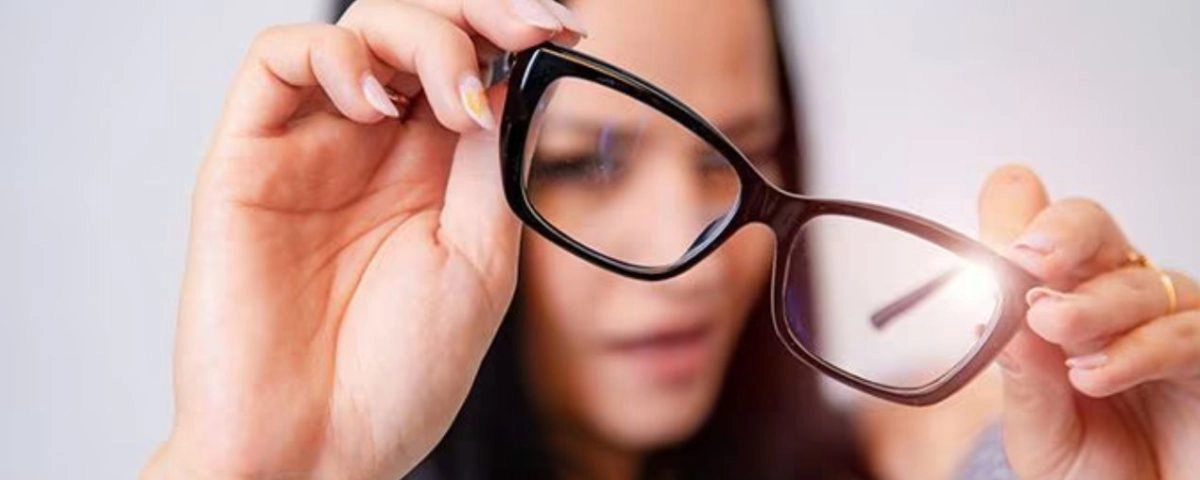
Table of Contents
Do Prescription Lenses Lose Their Effectiveness Over Time?
In principle, prescription lenses do not lose their optical power over time as long as your eyesight remains stable. The lens material itself doesn’t “weaken,” nor does it suddenly become less clear. However, several factors can affect visual quality and make you feel that your glasses or contact lenses are no longer adequate. These include age-related changes in your prescription, the development of astigmatism, or eye conditions such as dry eye, cataracts, or retinal diseases.
In addition, repeated scratching of spectacle lenses, buildup of deposits on contact lenses, and improper cleaning or storage can all reduce visual clarity and compromise the long‑term performance of your lenses.
For this reason, regular check‑ups with an ophthalmologist or optometrist are recommended to reassess your vision, ensure that your glasses or contact lenses are still appropriate, and replace them when necessary to maintain optimal vision and protect your eye health.
The difference between lens performance decline and vision changes
A decline in lens performance is medically different from a change in vision, even though both can lead to blurred vision and the need to adjust the prescription of glasses or contact lenses.
When we talk about reduced effectiveness of optical lenses—whether contact lenses, eyeglass lenses, or intraocular lenses implanted after cataract surgery—the problem usually lies in the lens itself. This may be due to scratches, deposits building up on the lens surface, improper cleaning, or a lens design that no longer matches the eye’s visual needs over time. All of this can reduce visual quality even if the actual refractive error (your prescription) has remained relatively stable.
By contrast, a change in vision refers to a natural shift in the eye’s focusing power, caused by changes in the cornea, the natural crystalline lens inside the eye, or the axial length of the eyeball. This is what we commonly describe as a change in the degree of myopia (short-sightedness), hyperopia (long-sightedness), or astigmatism.
Distinguishing between these two situations is essential. Managing reduced lens performance is usually done by replacing the lens, upgrading its type or material, or improving how it is used and cared for. Vision changes, however, require a comprehensive eye examination, updating the optical prescription, and possibly discussing options such as laser vision correction or lens implantation.
Understanding this difference helps in choosing the most appropriate solution, optimizing lens performance, and protecting eye health over the long term.
Factors Influencing Lens Performance
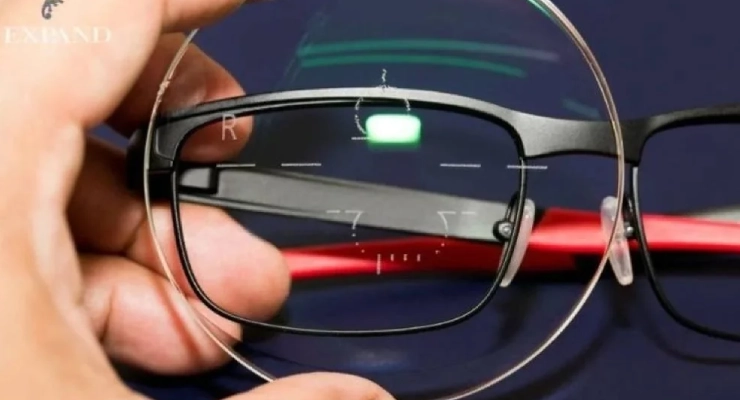
The effectiveness of a lens is influenced by several key factors, starting with the material from which it is made. Properties such as optical clarity, scratch resistance, and light weight all have a direct impact on visual sharpness and long‑term wearing comfort.
Lens coatings also play a critical role: anti‑reflective coatings, ultraviolet (UV) protection, and blue‑light–filtering coatings enhance the lens’s ability to protect the eyes and reduce visual fatigue.
Lens design itself—whether single-vision, bifocal, or multifocal (progressive) lenses—determines how efficiently it can correct different refractive errors, such as myopia (short-sightedness), hyperopia (long-sightedness), and astigmatism.
In addition, accurate refraction (eyeglass prescription), precise fitting of the lenses to the frame size, and their positioning in front of the eyes (including proper centration and interpupillary distance) are crucial for achieving optimal visual acuity.
User habits are equally important. Proper lens care and cleaning, and avoiding exposure to extreme heat or harsh chemicals, have a direct impact on lens longevity and on maintaining clear, stable vision over time.
How Do You Know It’s Time to Change Your Lenses?
Signs that your lenses are no longer performing well tend to appear gradually, and you’ll often notice them in your daily life before your next eye exam.
If you find it harder to see clearly, need to hold objects closer or farther away to focus, or rely on stronger lighting to read, this usually means your current lens prescription no longer matches your visual needs.
Frequent headaches, eye strain, blurred vision while driving at night, or seeing halos around lights can also indicate that your lenses are no longer effective, or that you may be experiencing dry eye related to prolonged contact lens wear.
Similarly, if you often push your glasses up or down, tilt your head to see better, or struggle with clarity when shifting focus between near and far distances, it may be time to replace your lenses or update your prescription.
In all these situations, it’s advisable to schedule a comprehensive eye exam with an ophthalmologist or optometrist to ensure your lenses are appropriate, assess your ocular health, and maintain optimal vision over the long term.
Tips from Batal Vision for Long-Lasting, High-Performance Contact Lenses
To maintain the performance of Batal Vision contact lenses and enjoy clear vision all day, ophthalmologists first recommend strictly following proper cleaning and disinfection guidelines using an appropriate, medically approved contact lens solution. Avoid using tap water or saliva under any circumstances, as they can carry bacteria and lead to serious eye infections.
Always wash and dry your hands thoroughly before touching your lenses or your eyes, and make sure to replace the solution in the lens case after each use instead of topping up over the old solution, to ensure maximum protection against germs.
Do not wear your contact lenses longer than the period specified by the manufacturer or your eye doctor. Overwearing lenses reduces their effectiveness and increases the risk of dryness and corneal irritation.
It is also advised not to sleep while wearing contact lenses unless they are specifically designed and medically approved for overnight or extended wear, as sleeping in lenses deprives the cornea of oxygen and can affect long‑term ocular comfort.
To protect your lenses from drying out, try to avoid spending long hours in front of screens without blinking regularly, and use preservative-free, doctor-prescribed lubricating eye drops that are compatible with contact lenses.
Finally, remember to replace your lens case regularly, and schedule routine check-ups with your ophthalmologist to ensure your lens fit is correct and your corneas remain healthy. This will help you get the most out of your Batal Vision lenses and enjoy stable, comfortable, and healthy vision day after day.