
Blog
Do Glasses Affect Visual Development in Children? Benefits, Signs, and Expert Advice

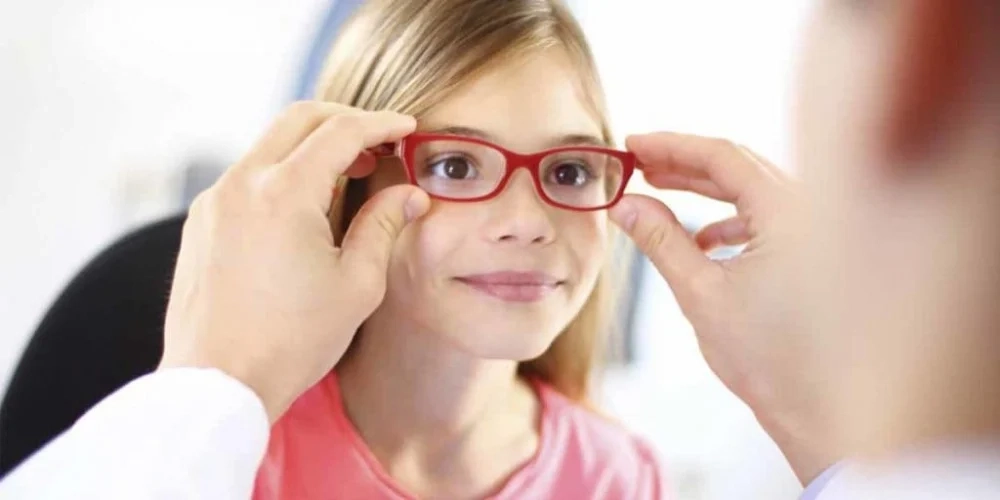
Table of Contents
Do Glasses Affect Visual Development in Children?
Glasses do not negatively affect visual development in children; on the contrary, they help correct refractive errors early and support healthy visual maturation.
When a child has myopia (short-sightedness), hyperopia (long-sightedness), or astigmatism and does not wear the prescribed glasses, they are forced to constantly strain their eyes. This can lead to headaches, poor concentration at school, and a gradual decline in visual acuity over time.
Wearing glasses does not weaken the eyes and does not cause “lazy vision,” as is commonly believed. In fact, it allows a clear image to reach the retina, which helps the brain properly develop visual pathways during the critical years of growth.
What truly matters is regular follow-up with a pediatric ophthalmologist and periodic eye examinations to ensure that the prescription is appropriate for the child’s age and eye development, and to adjust it when necessary. Neglecting eye care is what can adversely affect visual development—not the glasses themselves.
When Does a Child Need Glasses?
A child may need prescription glasses when there are signs of visual impairment or difficulty focusing that start to affect learning and everyday activities.
You might notice your child sitting very close to the TV or holding a phone or tablet too near to their face, complaining frequently of headaches, rubbing their eyes a lot, or struggling with blurred vision and poor concentration while reading or writing at school.
Some children may have trouble seeing the board clearly, tilt or turn their head to rely more on one eye than the other, or develop a slight squint (strabismus) that becomes more obvious when they are tired.
In such cases, an early assessment by a pediatric ophthalmologist is essential to diagnose conditions such as myopia (short-sightedness), hyperopia (long-sightedness), astigmatism, or amblyopia (lazy eye), and to determine whether the child needs glasses.
Wearing glasses as advised does more than just sharpen vision; it can prevent further deterioration, support healthy visual development, and improve attention and academic performance.
Being alert to the signs of visual problems and scheduling regular eye examinations are key steps to protecting your child’s eye health in the long term.
Benefits of Prescription Glasses in Childhood
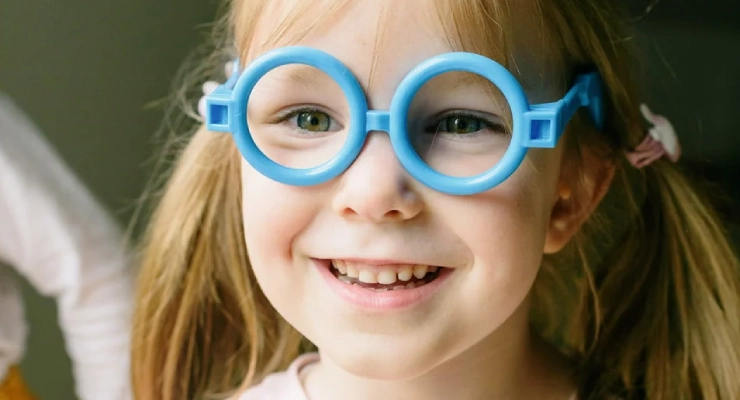
Prescription glasses in childhood are a key tool for protecting a child’s vision and correcting refractive errors such as myopia (short‑sightedness), hyperopia (long‑sightedness), and astigmatism. This enables the child to see more clearly during both learning and play.
Improved vision through glasses has a direct impact on academic performance: it makes it easier for the child to read the board and books, concentrate in class, and reduces headaches and eye strain associated with uncorrected vision problems.
Glasses also support healthy visual development and help prevent serious complications such as amblyopia (lazy eye), especially when the need for glasses is detected early through an eye examination by a pediatric ophthalmologist.
From a psychological and behavioral perspective, wearing the right glasses can boost a child’s self‑confidence, reduce distraction and stress caused by poor vision, and help them engage more comfortably in social interactions.
For these reasons, parents are advised to have their children’s eyes examined regularly and ensure they wear appropriate prescription glasses when needed, to safeguard eye health and support both visual and cognitive development during this critical stage.
Enhancing Vision and Cognitive Development
Prescription glasses in childhood play a crucial role in improving vision and supporting a child’s cognitive development, as they directly correct refractive errors such as myopia (short-sightedness), hyperopia (long-sightedness), and astigmatism.
When a child can see clearly, they are better able to explore their surroundings accurately, which stimulates the brain and promotes the development of cognitive and intellectual abilities.
The impact of glasses on a child’s vision goes beyond improving visual acuity; it also influences the development of learning skills, language, memory, and problem‑solving.
Children who wear appropriate prescription glasses from an early age have a better chance of achieving healthy visual development, which in turn supports brain growth and the integration of sensory and visual information.
Improved vision also helps reduce eye strain and headaches, allowing the child to focus more easily on daily activities and early learning, while boosting self‑confidence and social interaction.
For these reasons, early detection of vision problems and timely prescription of appropriate glasses are an important investment in the child’s visual health and long‑term cognitive development.
Supporting Attention and Academic Performance
Prescription glasses significantly contribute to enhancing concentration and academic achievement in children, as clear vision is a fundamental requirement for success at school.
When a child has uncorrected visual problems, they may struggle to see the board or read books, which leads to poor attention and declining academic performance.
The effect of glasses on a child’s vision is directly reflected in their ability to follow lessons in class, understand explanations, and complete schoolwork without visual fatigue or stress.
Wearing the right glasses helps the child read for longer periods with less discomfort, reduces headaches and eye strain, and therefore improves their ability to focus and retain information.
Glasses also support the child’s self‑confidence in the classroom, as they feel more capable of keeping up with their peers and understanding lessons clearly, which has a positive impact on their academic level.
Accordingly, paying attention to a child’s eye health and scheduling regular eye examinations to prescribe suitable glasses are essential elements in improving school performance and fostering continuous learning.
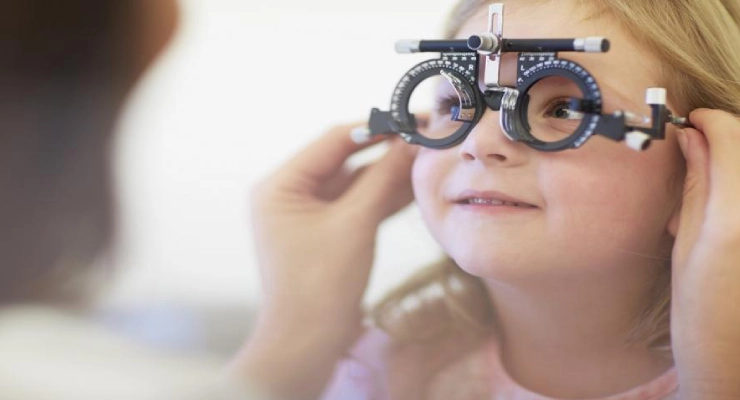
Vision Hero’s Tips for Choosing the Right Glasses for Your Child
Choosing the right prescription glasses for your child is a key step in protecting their eyesight and supporting healthy visual development. Vision Hero specialists recommend starting with a comprehensive eye exam by an ophthalmologist or optometrist to obtain an accurate prescription and determine the most suitable lens type for your child’s condition, such as myopia (nearsightedness), hyperopia (farsightedness), or astigmatism.
Make sure to choose a kids’ frame that is both lightweight and durable, with smooth edges and a comfortable nose bridge, so the glasses don’t leave pressure marks or keep sliding down during play or study.
The frame size should match your child’s face width: it shouldn’t be too tight and press on the sides of the head, nor too loose and constantly shifting, as this can affect visual focus and comfort.
Vision Hero experts also recommend high‑quality, impact‑resistant lenses with an anti-scratch coating, plus protection against ultraviolet (UV) rays and blue light emitted from digital screens—especially given how frequently children use tablets and smartphones.
Finally, involve your child in choosing the color and style of their glasses so they reflect their personality. When a child feels comfortable and confident wearing their glasses, they are much more likely to keep them on consistently—directly contributing to better vision, improved school performance, and a higher quality of everyday life.