
Blog
Multifocal Lenses Guide: Types, Benefits, and Who They Are Best For


Table of Contents
What Are Multifocal Lenses?
Multifocal lenses are an advanced type of prescription eyeglass lenses designed to correct more than one refractive error at the same time, such as myopia (nearsightedness), hyperopia (farsightedness), astigmatism, in addition to presbyopia, which is age‑related difficulty focusing on near objects.
These lenses incorporate different viewing zones within a single lens, allowing the wearer to see clearly at distance, intermediate, and near ranges without having to switch between different pairs of glasses.
Multifocal lenses come in several designs, including bifocal lenses, trifocal lenses, and progressive lenses. They are a popular option for people over 40 who experience difficulty with reading or using digital screens while still needing clear distance vision.
By improving overall visual quality and reducing eye strain, multifocal lenses offer a more aesthetically pleasing and convenient alternative to conventional single‑vision lenses, making them a preferred choice for long‑term vision correction.
Advantages of Multifocal Lenses
Multifocal lenses are designed to provide clear vision at different distances simultaneously, reducing the need to switch between separate pairs of glasses for reading, computer use, and distance vision.
They can correct myopia, hyperopia, and astigmatism at the same time, making them a practical option for patients with presbyopia after the age of forty.
Thanks to their progressive design, multifocal lenses offer a smooth transition between near, intermediate, and distance vision zones, without the visible segment lines seen in traditional bifocal lenses. This gives a more natural and aesthetically pleasing appearance.
These lenses also help enhance overall quality of life by making it easier to perform multiple daily activities such as driving, using a smartphone, and office work, which makes them one of the most advanced and comprehensive modern options for vision correction.
The Difference Between Progressive, Single-Vision, and Bifocal Lenses
Progressive lenses differ from single-vision and bifocal lenses in their ability to provide clear vision at multiple distances at the same time—from near to intermediate and far—without the need to switch between different pairs of glasses.
With standard single-vision lenses, only one distance is corrected, either near or far vision, which makes them unsuitable for people with presbyopia or those who need more than one pair of glasses throughout the day.
Bifocal lenses typically provide two distinct vision zones: one for near vision and one for distance vision, with a visible dividing line between them. This line can cause visual disturbance or discomfort for some users.
In contrast, progressive lenses feature a smooth, gradual transition in optical power between different viewing zones, without any visible lines. This creates a more natural visual experience and a more aesthetically pleasing appearance, while improving comfort during reading, computer work, and driving.
For these reasons, progressive lenses are considered an advanced and effective visual solution for those seeking a comprehensive option that eliminates the need for multiple glasses, improves daily visual quality, and reduces eye strain.
Who Can Benefit from Multifocal Lenses?
Multifocal lenses are an excellent option for people with age‑related farsightedness (presbyopia) who struggle to see nearby objects clearly, such as when reading or working on a computer.
They are also suitable for individuals who already wear distance glasses and want to avoid switching between different pairs, as multifocal lenses provide clear vision at various distances in a single lens.
These lenses are often recommended for active people who drive frequently, spend long hours in front of screens, or need a smooth visual transition between near, intermediate, and distance vision without effort.
Multifocal lenses can also be a good choice for those who prefer a more aesthetically pleasing look without constantly changing glasses, provided that their visual status is thoroughly evaluated by an ophthalmologist or optometrist to ensure that this type of lens is appropriate for them.
Types of Multifocal Lenses
Multifocal lenses come in several main designs that differ in how the optical power is distributed to help patients see clearly at more than one distance.
Bifocal lenses are among the oldest types. They provide two distinct viewing zones—typically distance vision in the upper segment and near vision in the lower segment—but they can cause an abrupt visual jump when shifting focus between distances.
Trifocal lenses add a third zone for intermediate vision, which improves clarity at arm’s length, such as viewing computer screens and performing desk work, and can reduce the need to switch between different pairs of glasses.
Progressive lenses are now the most commonly used option for correcting presbyopia. They offer a smooth, gradual transition between near, intermediate, and distance vision without visible segment lines, providing a more natural appearance and generally greater visual comfort.
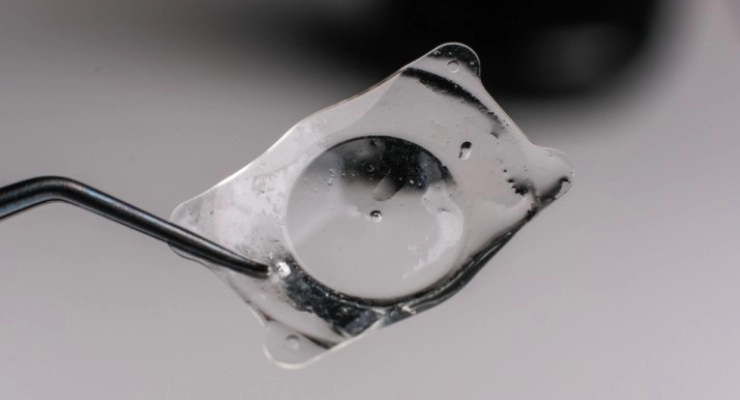
There are also multifocal designs specifically developed for contact lenses and for intraocular lenses implanted during cataract surgery. These are tailored to each patient’s ocular condition to achieve the best possible balance between visual clarity and minimizing glare and visual halos.
Consulting an ophthalmologist or optometrist is essential to determine which type of multifocal lens best matches your lifestyle and day-to-day visual demands.
Tips from Batal Vision Before Buying Multifocal Lenses
Before you decide to buy multifocal lenses from Batal Vision, make sure you first have a comprehensive eye examination to confirm that multifocal lenses are the most suitable clinical option for your visual condition, especially if you have myopia, hyperopia, or astigmatism.
Ask your optometrist about the multifocal lens design that best fits your lifestyle—such as prolonged screen use, night driving, or extensive reading—because the way near, intermediate, and distance vision zones are distributed varies from one lens design to another.
Choose high‑quality multifocal lenses with anti‑reflective and scratch‑resistant coatings, and consider a blue‑light filter if you frequently use digital devices. This can enhance visual clarity and help reduce eye strain.
Ensure your measurements are highly accurate, including pupillary distance (PD) and fitting height within the frame, since even small errors can directly affect how clearly you see through each focal zone.
Once you receive your Batal Vision multifocal lenses, allow your eyes an adaptation period that may range from a few days to a few weeks. Wear your glasses consistently during this time so your eyes and brain can adjust to smoothly shifting between the different vision zones.
And remember to schedule regular follow‑ups with your ophthalmologist or optometrist to update your prescription and fine‑tune your multifocal lenses when needed, especially as natural age‑related changes in vision occur.