

Blog
Eyeglass Size Guide: What Do Glasses Numbers Mean and How to Choose the Right Fit

Table of Contents
What Do Eyeglass Size Numbers Mean?
The size numbers printed on the inside of your eyeglass temples or on the frame refer to three key measurements that help you choose glasses that are comfortable, suit your face shape, and provide accurate vision correction.
You’ll usually see three values such as: 52‑18‑140. These represent:
- The first number is the lens width in millimeters. It affects how wide your field of vision is and how the frame looks and sits on your face.
- The second number is the bridge width (the distance between the lenses). This is crucial for how securely and comfortably the glasses rest on your nose, preventing slipping or excessive pressure.
- The third number is the temple length (arm length), which determines how far the temples reach behind your ears to keep the frame stable and comfortable.
Understanding these measurements helps you select the right eyeglass size whether you’re buying online or in-store. It also makes it easier for your optometrist or optician to adjust the frame properly so that the optical center of each lens aligns with your pupil, enhancing visual clarity and reducing eye strain.
How to Measure the Size of Your Current Glasses
To accurately determine the size of your current glasses, first make sure they sit comfortably and straight on your face, without slipping down or pressing too tightly.
Next, look for the numbers usually printed on the inside of the temple arm. You’ll typically find three measurements: lens width, bridge width, and temple length, written in a format such as: 52-18-140.
- The first number is the lens width in millimeters, which is crucial for choosing frames that match the width of your face.
- The second number is the bridge width, which determines how well the glasses fit over the nose and significantly affects stability and comfort.
- The third number is the temple length, which helps keep the glasses secure behind your ears and prevents pressure or headaches during prolonged wear.
If these numbers are worn off or hard to read, you can use a ruler or flexible measuring tape to manually measure the lens width, bridge width, and temple length in millimeters. Write down these measurements so you can compare them when buying new glasses or checking size options online.
Understanding these key optical frame measurements allows you to choose prescription glasses that offer comfortable vision, balanced weight distribution, and reduced risk of eye strain or pressure marks on the skin.
How do you choose the right size for your face shape?
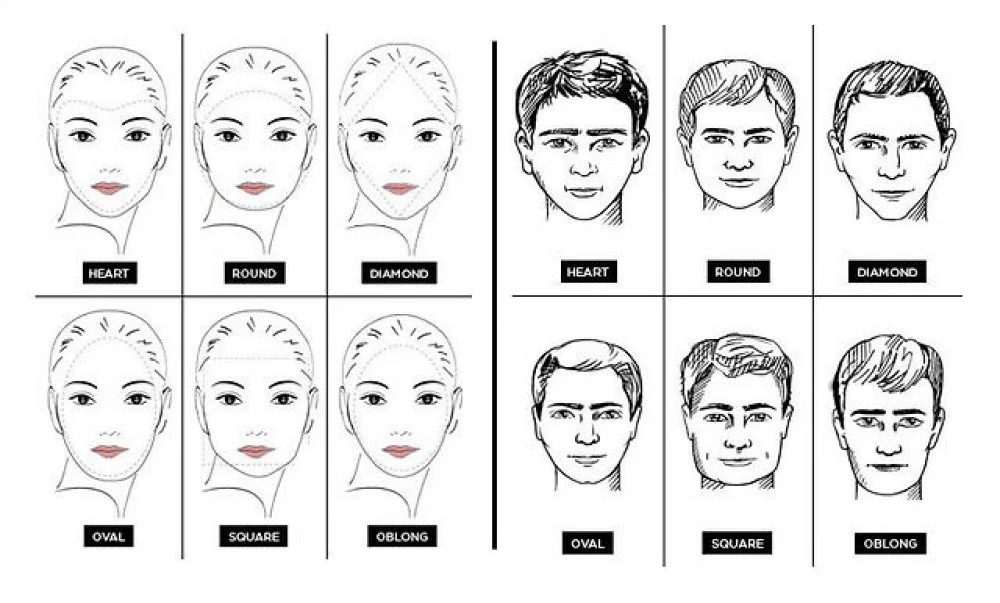
To choose the right glasses size for your face shape, start by identifying your main facial dimensions: forehead width, cheekbone width, jawline width, and face length. Then compare them with the frame measurements usually printed on the inner side of the temple arm (lens width, bridge width, and temple length).
Selecting a frame size that’s proportionate to your facial width helps distribute the weight comfortably around the eyes and nose, which reduces pressure and headaches and supports better visual performance.
If you have a round face, frames that are slightly wider than your face typically suit you better, as they create a more balanced, structured look. An oval face can accommodate most frame sizes, provided the frame does not extend beyond the widest part of the face.
For square or rectangular faces, it’s preferable to choose frames that are not significantly wider than the jawline, with softer, more rounded edges to soften the angular features. Heart-shaped faces usually benefit from medium-sized frames that are not tight around the eye area, so they don’t emphasize a broad forehead.
You can use standard frame size labels (small, medium, large) as a starting guide, but it’s more accurate to rely on the exact numerical measurements and to physically try on the frames. Make sure the glasses sit securely without slipping and do not leave red marks on the nose or behind the ears. The correct size is key to comfortable, eye‑safe eyewear and optimal optical alignment.
The impact of incorrect frame size on comfort and vision
Wearing glasses that are not properly fitted doesn’t just affect how you look; it has a direct impact on your day‑to‑day comfort and the quality of your vision.
If the frame width, temple (arm) length, or bridge size don’t match your facial measurements, the glasses may keep slipping down your nose or press on the nose and ears, leading to headaches, localized pain, and skin redness.
When the position of the lenses does not align correctly with the center of the pupils (interpupillary distance), this can result in blurred vision, eye strain, and difficulty focusing, especially during tasks like reading, computer work, or driving.
With prescription lenses, and particularly with advanced designs such as progressive or multifocal lenses, precise frame fitting becomes even more critical. Even a slight misalignment of the lenses can cause dizziness, visual distortion, or a sense of imbalance.
For these reasons, it is recommended to have your glasses measurements taken accurately—frame width, bridge width, temple length, and interpupillary distance (PD)—by an optometrist or optical specialist, to ensure comfortable eyewear that provides clear, safe vision and minimizes complications related to poor fit.
Vision Hero Tips for Choosing the Perfect Frame Size
At Vision Hero, we always recommend starting with the size details printed on the inside of the arm of your current glasses (lens width, bridge width, temple length). These measurements are the best reference for finding the most suitable fit for your face.
If you don’t already wear glasses, measure the width of your face from the front of the right ear to the front of the left ear, then choose a frame with a total width close to this measurement. This will help ensure a stable, comfortable fit.
Make sure the lenses don’t touch your cheeks when you smile, and that the frame doesn’t leave large gaps at the sides of your face, as both issues can affect frame stability and the accuracy of your visual field.
For those with high refractive errors or astigmatism, it’s better to choose a slightly smaller frame with smaller-diameter lenses. This helps reduce lens thickness and improves the cosmetic appearance of the glasses.
We also recommend selecting a temple length that matches the shape of your ears so the glasses rest comfortably without excessive pressure or constant slipping, especially with prolonged screen use or while driving.
Finally, ensure that the frame sits parallel to your eyebrows. A properly sized and shaped frame not only enhances your appearance, but also helps distribute lens weight evenly and reduce pressure on the nose, providing better eye protection and greater comfort throughout the day.

Don’t Focus on Style Alone – Prioritize Comfort First
When choosing eyeglass sizes, don’t let frame design be the only factor in your decision; what really matters is how comfortable they feel on your face throughout the day.
A well‑fitting frame should sit lightly on the nose and ears without pinching, digging into the skin, or leaving irritating red marks.
If your glasses are not the right size, you may experience headaches, a feeling of heaviness around the eyes, or constant slipping of the frame down your nose – all of which can ruin your visual experience, even if the lenses themselves are high quality.
Batel Vision experts recommend paying attention to frame width, temple (arm) length, and bridge height to ensure your glasses are comfortable and stable, as physical comfort is a key component of long‑term eye health and visual quality.
The better the frame size matches your facial features, the better your vision experience will be, and the less you’ll find yourself constantly pushing your glasses back into place.
Make Sure the Temples Match the Length of Your Face
Temple length is a crucial element in choosing the correct eyeglass size, as it directly affects frame stability and clarity of vision.
If the temples are too long, the glasses will keep sliding down your nose; if they’re too short, they’ll press on your ears and cause pain and discomfort.
Batel Vision specialists advise that the temple tips should extend just slightly past the ear, with a gentle curve, without pulling on the skin or creating pressure points.
You can determine the appropriate temple length by considering the length of your face and the position of your ears, and by checking the temple length printed on the frame as part of its size specifications.
Good harmony between your facial length and temple length keeps your glasses firmly in place while you move, read, or work, and helps maintain a healthy head and eye posture.
The Right Nose Bridge Prevents Slipping
The nose bridge is the part of the frame that rests on the middle of your nose, and selecting the correct bridge size is one of the most important steps in getting the right eyeglass fit.
If the bridge is too wide, your glasses will constantly slide down, and you’ll find yourself pushing them up repeatedly throughout the day.
If it’s too narrow, it will create uncomfortable pressure on the nose and may cause skin redness or soreness over the nasal septum area.
Batel Vision experts recommend choosing a bridge width and shape that match the contour and height of your nose, and taking advantage of adjustable nose pads on certain frame types to distribute the weight more comfortably.
A properly fitted bridge not only improves comfort, but also keeps the lenses positioned optimally in front of your eyes, enhancing visual accuracy and reducing eye strain.
Try Glasses Virtually Before You Buy
In the world of online eyewear shopping, virtual try‑on has become an important step before making a purchase decision.
Virtual try‑on tools offered by Batel Vision platforms and modern optical stores let you see how different frames look on your face shape, and compare frame width, lens height, and overall harmony with your features.
This doesn’t just help you pick an attractive design; it also gives you an initial sense of the right size, especially frame width, temple length, and bridge height.
With virtual try‑on, you can easily eliminate frames that are clearly too large or too small before ordering, which reduces the likelihood of needing to exchange them or feeling uncomfortable after receiving them.
Although virtual try‑on can’t completely replace in‑person fitting, it’s an excellent tool for narrowing down your options to eyeglass sizes that are as close as possible to ideal before your final purchase.
Consult an Eye Care Professional if You Have Special Measurements
If you have a high refractive error, a significant difference in prescription between your eyes, or need specialized lenses such as progressive (multifocal) lenses, it’s essential to consult an eye care professional before settling on frame size.
An optometrist or ophthalmologist will measure your interpupillary distance (PD), determine the appropriate lens fitting height, and adjust frame dimensions to ensure the lenses are positioned precisely in front of your eyes.
In cases of astigmatism or thicker lenses, the specialist may recommend specific frame sizes or materials to reduce weight and improve weight distribution on the nose and ears.
Batel Vision strongly advises against relying solely on self‑measurement in these situations, as inaccurate sizing can lead to blurred vision, headaches, or chronic eye strain.
Consulting a specialist gives you the ideal combination of accurate sizing, comfort, and optical precision, turning your prescription glasses into a genuine eye‑health tool rather than just a fashion accessory.
The Best Prescription Glasses with the Perfect Fit at Batal Vision
At Batal Vision, you’ll find top-quality prescription glasses in the exact size you need. Choosing the right frame isn’t just about style; it also depends on precise eyewear measurements that ensure clear vision and all‑day eye comfort.
The frame width, temple (arm) length, bridge width, and lens height are all adjusted to match your facial dimensions and your pupillary distance (PD), helping to reduce headaches, blurred vision, and eye strain.
Batal Vision is committed to providing authentic prescription glasses fitted with high‑quality, anti‑reflective lenses, and blue‑light filtering when needed, with full compliance to your doctor’s prescription.
By relying on accurate measurement data, the store delivers comfortable, secure glasses that don’t slip, and don’t put pressure on your nose or ears—bringing together clinical accuracy, modern style, and an optimal wearing experience.